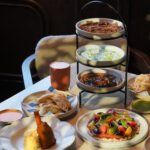
For many, coming together is a way of life
“Meals make the society, hold the fabric together in lots of ways that were charming and interesting and intoxicating to me. The perfect meal, or the best meals, occur in a context that frequently has very little to do with the food itself,” the great Anthony Bourdain once said.
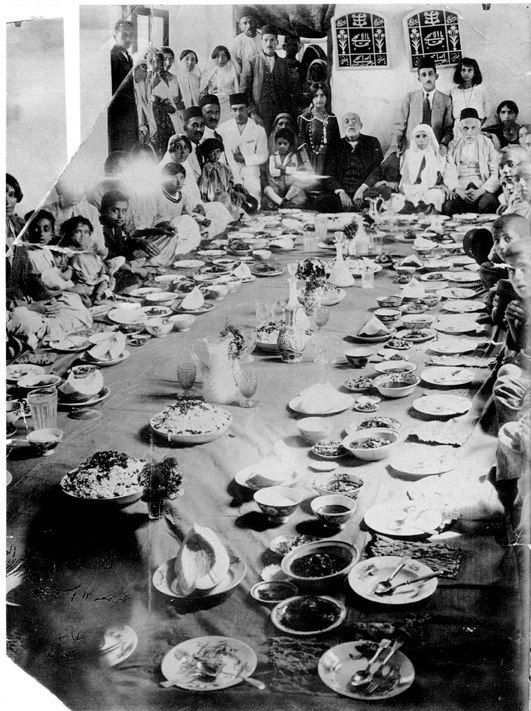
The act of sharing food has been a vital part of civilisation since the beginning of time itself. Humans are social animals, seeking out community no matter what era dawns upon us – even this hyper-digital, increasingly-isolating time, a time when perhaps having meals together may be one of the few excuses left to interact with one another.
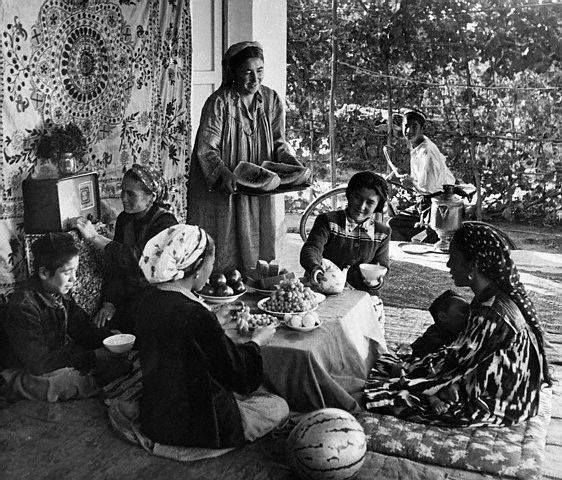
These days, communal dining is a buzzword, used by brands to create a perception of a rooted, salt-of-the-Earth space where those of us losing our way online can come back and find real people. But in some cultures, hospitality is a way of life, and of course, the cuisine of any culture is designed in a way that it serves it. Think the sharing style cooking of India, with big pots of biryani, or the paella of Spain, or the mandi, popular in the Middle East.
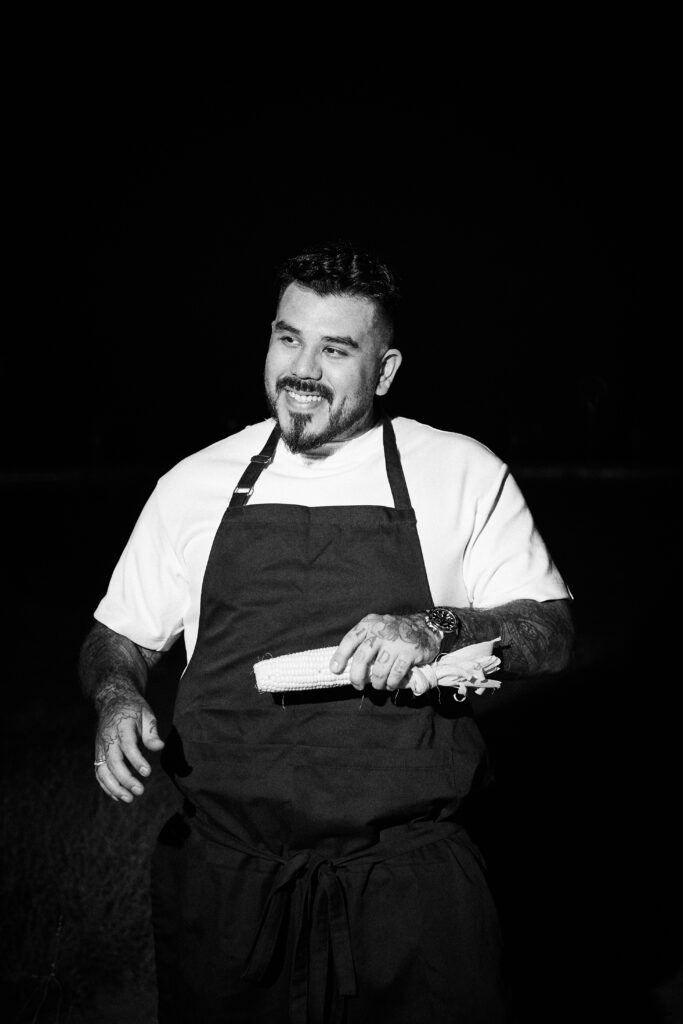
Latin America is no different and Mexican Chef Marco Ferreira of the soon-to-open Sobremesa, a resto-bar located in DIFC serving a mix 0f Spanish and Mexican comfort classics, can attest to that. A Le Cordon Bleu graduate whose career spans Hollywood dining rooms and Moscow’s cult kitchens, he talks about his earliest memories of buzzing family dinner parties, and just how important this communal dining is for his past, present and future.
What are your earliest memories of dinner parties with your family?
We would all get together in one space. I had 10 aunts and 10 uncles, and we would all get together, and the thing with our dinner parties is, we don’t have a sit-down dinner. It’s more like everyone’s walking around, everyone has their food, drink in hand, sharing stories, laughing, gossiping, all this stuff, you know. That’s what I remember.
We wanted to dive more into the importance of hospitality and sharing in Latin cultures – obviously, cooking has to adapt to that culture, right?
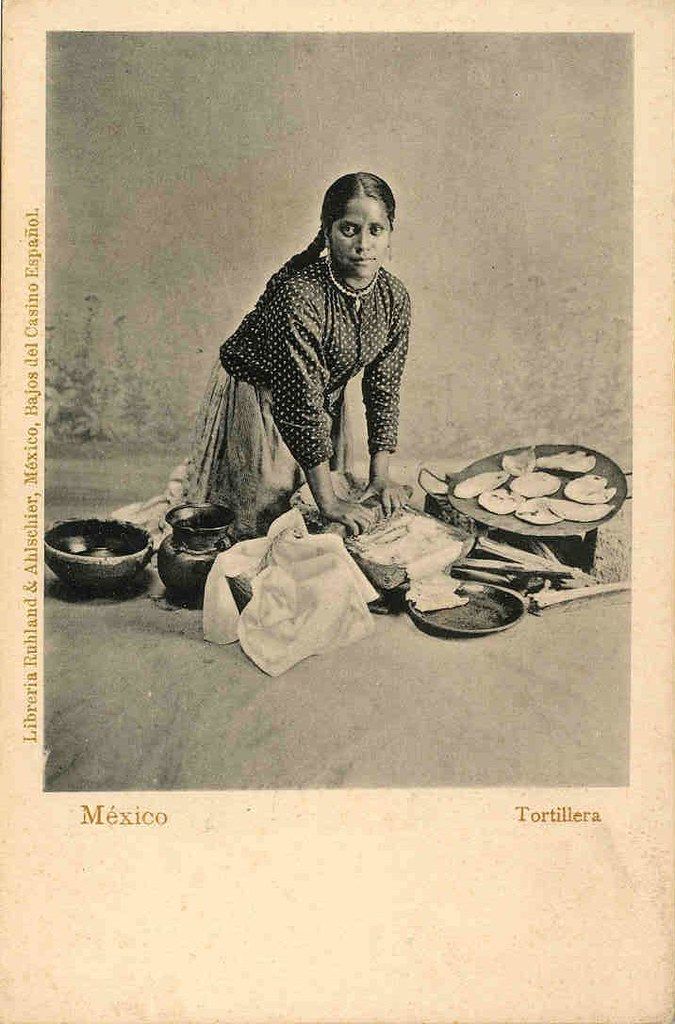
I mean, say for example, we invite you to our house – automatically, you’re part of the family. Whatever you need, whatever you want, the house is yours, the fridge is open to you, get whatever you want, take a drink, whatever. Food-wise, I feel, Mexican food – like with Indian food, it’s very, I wouldn’t say heavy, but very rich in flavour. There’s nothing really pretty about it. We have rice, beans, meat, side of grilled onions and a tortilla, so it’s very like nurturing, welcoming.
Can you name some dishes that are specifically designed for sharing purposes, and to serve that culture of communal dining?
Paella is more of a Spanish thing, which we want to implement at Sobremesa. Once we open, we want to do it every other Sunday. I’ll be in the dining area making paella, sharing with everybody, plating up their plates. For other dishes – there is birria, which is a lamb stew, cooked in chillies, served with rice, traditionally, beans, guacamole, everything that you need on the side. It’s like a stew almost.
We have pozole, which is a neck bone stew also cooked in chilli with corn granules, cabbage, radish, and all that. Menudo is also kind of similar, but it’s more for hangovers on a Sunday. It’s one of my favourites – you squeeze some lime in there, put some chilli in there.
Enchiladas – we can make enchiladas in a big tray, almost like a lasagna.
Talk to us about Sobremesa – what is the story that you are trying to tell with it?
So with this one, it’s been a long time in the making. I think we started planning about two years ago, and at the time I was in Moscow. It sounded really interesting because it’s something I could do in Dubai that I couldn’t do in Moscow for the Russian people. You know, they wouldn’t really understand it.
The flavour profile, the aesthetic, the style of food that we would be serving, it just wouldn’t be understood. This is my chance to explain my background because I grew up in Los Angeles with Mexican parents. I’m what you would call Chicano. I was too American for the Mexicans, and I was too Mexican for the Americans. I didn’t speak English until I started going to school there, we had a Spanish-only household. So it’s my way of bringing the food of my childhood.
So, what does 'sobremesa' mean?
So, what does 'sobremesa' mean?
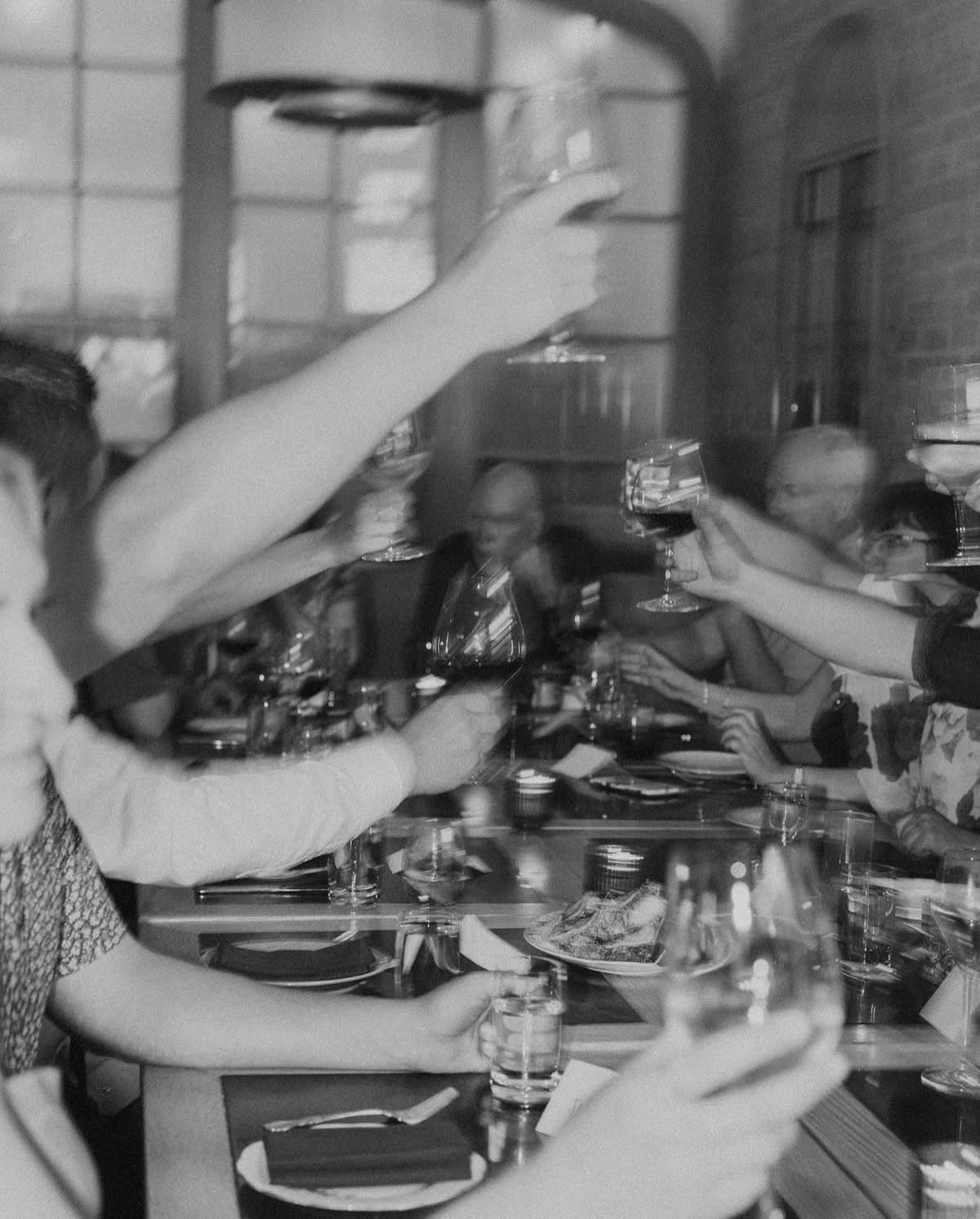
'Sobremesa' is a word with no direct English translation, describing the cherished Latin ritual of lingering after a meal - talking, laughing, stretching time into something meaningful.
This isn’t your first stint with the Dubai crowd, but what has your experience cooking for the Dubai crowd been like? How do they respond to the culture and the background that you bring?
The food is more understood. It’s appreciated.
And Sobremesa is aiming to sit somewhere in between the tiers of dining in Dubai – why did you choose that?
We don’t want to turn anybody away, you know what I mean? We want everyone to feel part of our family? You don’t have to have a suit and tie on to come eat at our restaurant. You can just come in for a cocktail, grab a taco, grab a salad. Just come home, pour a few drinks and food. And the moment you walk in through the door, you get a shot of tequila and sangrita.
Image credit: Supplied and Pinterest

Deeply passionate about food, culture and community, Manaal loves telling extraordinary stories of ordinary people. Besides sniffing out a tale to tell, her favourite things to do include binging true crime documentaries, chasing cats on the streets and curating a good outfit.