A tapestry of celebrations
While the essence of Eid remains a constant thread across the world, the way it is woven into the local fabric varies beautifully from one part of the world to another. From the Sugar Feast of the Mediterranean to the mass homecomings in Southeast Asia, the celebration is a colourful testament to cultural diversity.
United Arab Emirates and the Gulf
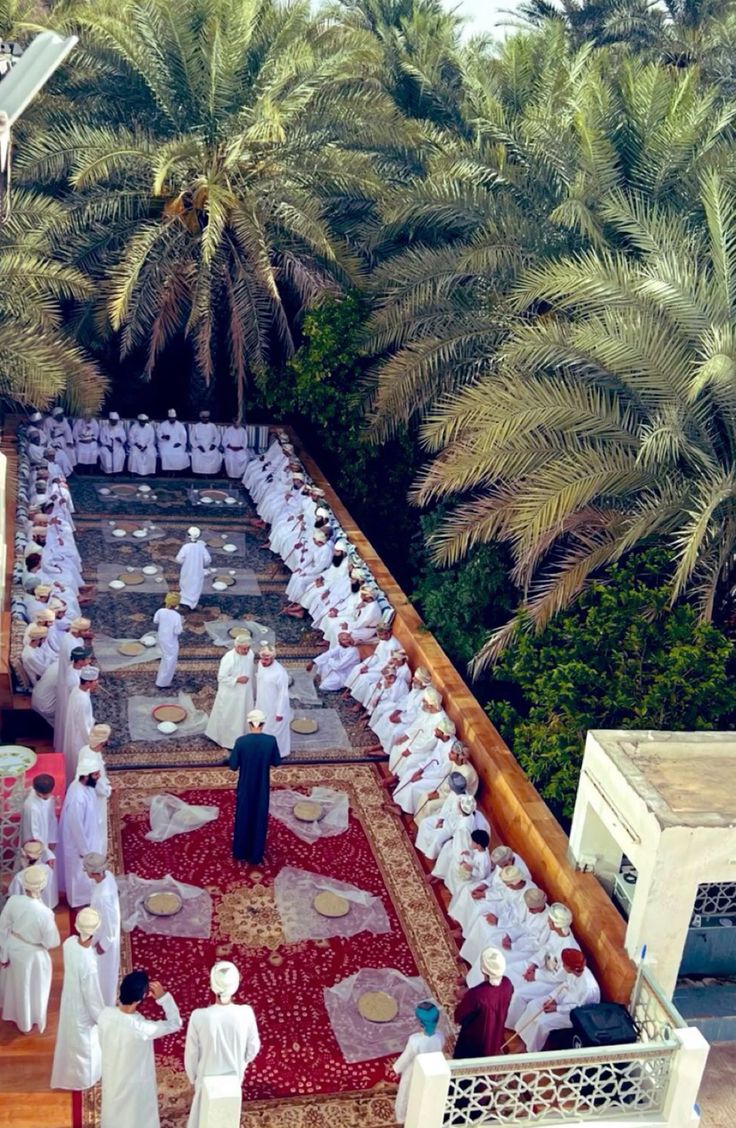
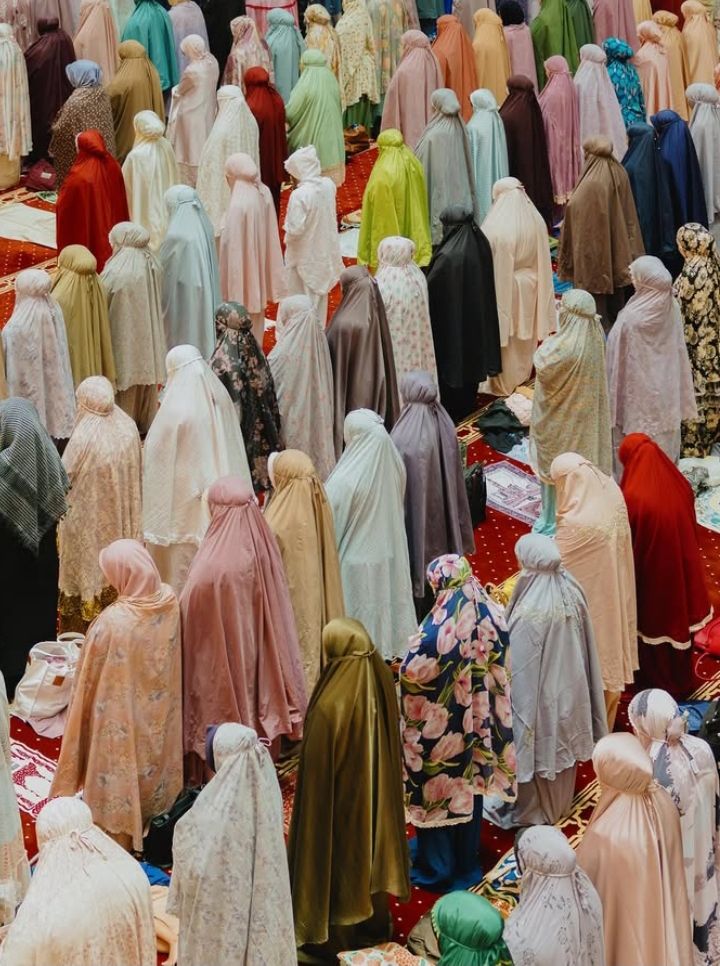
Across the UAE, Saudi Arabia, Kuwait and Qatar, Eid morning begins with a special congregational prayer followed by visits with family and neighbours. Homes fill with the scent of traditional dishes such as machboos, a fragrant rice dish cooked with meat and spices and harees.
Sweet treats play an important role as well. Dates appear in many forms, often paired with Arabic coffee served in small cups. Guests might be offered luqaimat, golden fried dumplings drizzled with date syrup and sesame seeds. Children receive Eidiya, small gifts of money that have become one of the most anticipated parts of the day.
Sugar Feast and Hand-Kissing in Turkey
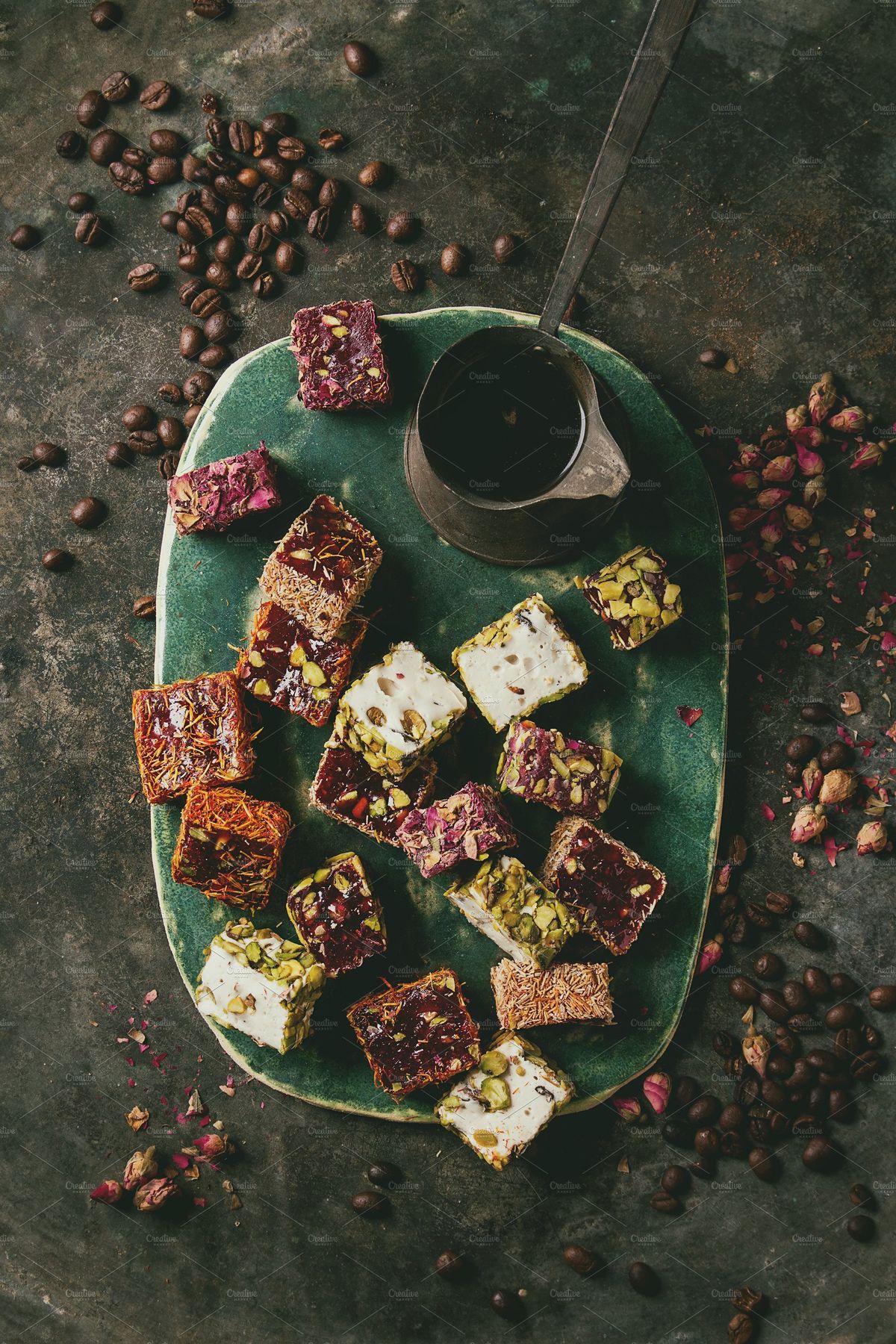
Eid al-Fitr is affectionately known as Şeker Bayramı or the Sugar Feast in Turkey. The air in Istanbul and beyond becomes thick with the scent of honey-soaked baklava and Turkish delight. A particularly touching tradition is the way children show respect to their elders; they kiss the right hand of their grandparents and parents and then touch it to their forehead. In return, they are often rewarded with Bayramlık, which are special new clothes worn during the holiday, and gifts of sweets or small amounts of money. It’s also common for people to wear their finest new clothes, called their Bayram outfits, specifically for these family visits.
Great Homecoming in Indonesia and Malaysia
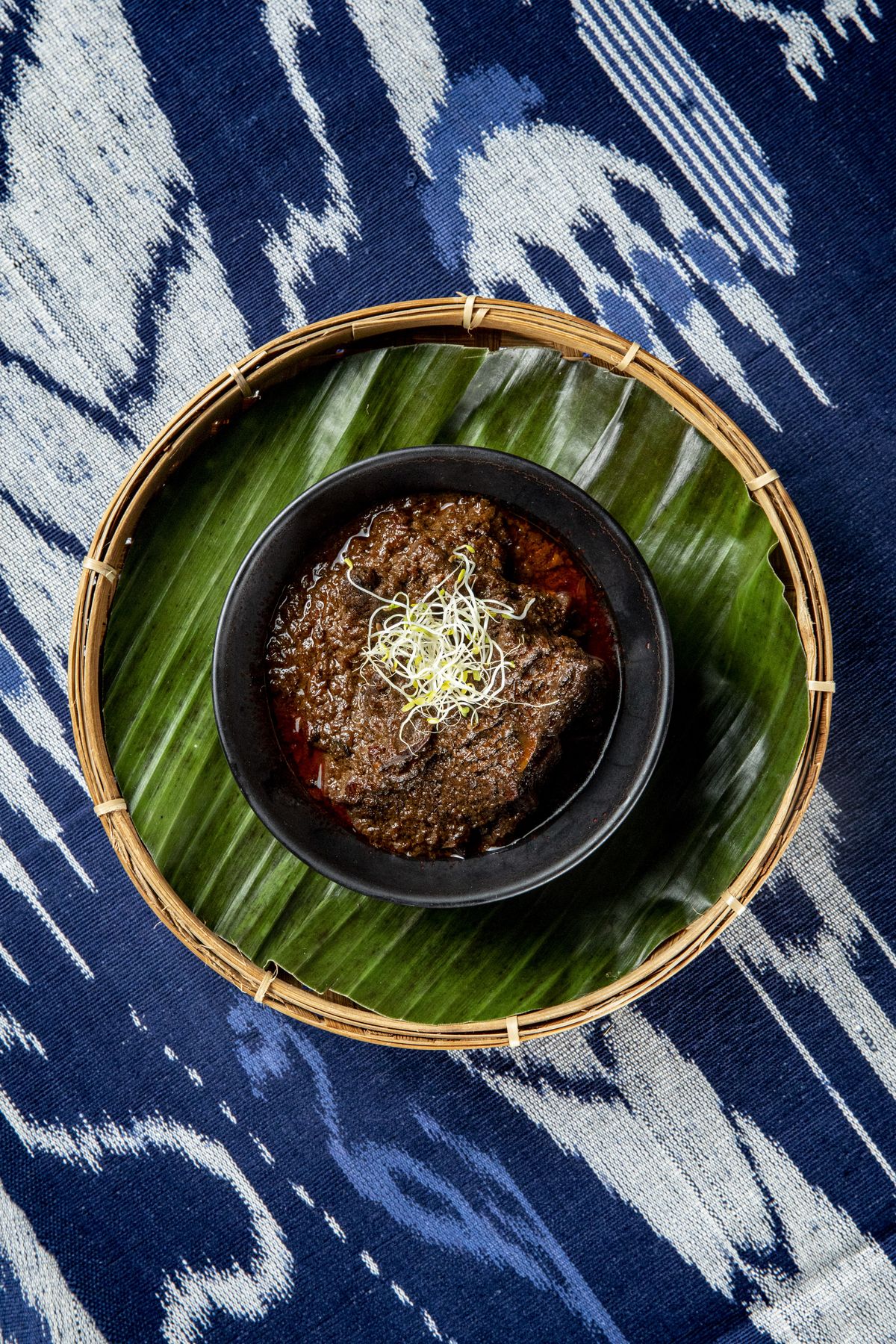
In Southeast Asia, particularly Indonesia and Malaysia, Eid is synonymous with Mudik or Balik Kampung. It is perhaps the world’s largest annual migration, as millions of people leave the bustling cities to return to their ancestral villages. In Indonesia, the holiday is called Lebaran, and the atmosphere is defined by Halal Bihalal, a ritual where people visit friends and neighbours to explicitly ask for forgiveness for any wrongs committed during the year. Families gather around tables laden with Ketupat (rice cakes packed in woven palm leaves) and Rendang, a rich, spicy beef stew that has become a global favourite.
Painted Eggs and Egg Conkers in Afghanistan
Perhaps one of the most unique and playful Eid traditions takes place in Afghanistan, known as Tokhm-Jangi. Similar to the European tradition of conkers, people of all ages gather in parks to play with brightly painted hard-boiled eggs. The goal is to tap your egg against your opponent’s to see whose shell is stronger. The last person with an unbroken egg is declared the winner. The egg-fighting game is a staple of Afghan holiday celebrations. Usually occurring right after the morning prayers, it serves as a lighthearted way for the community to bond after the month of fasting.
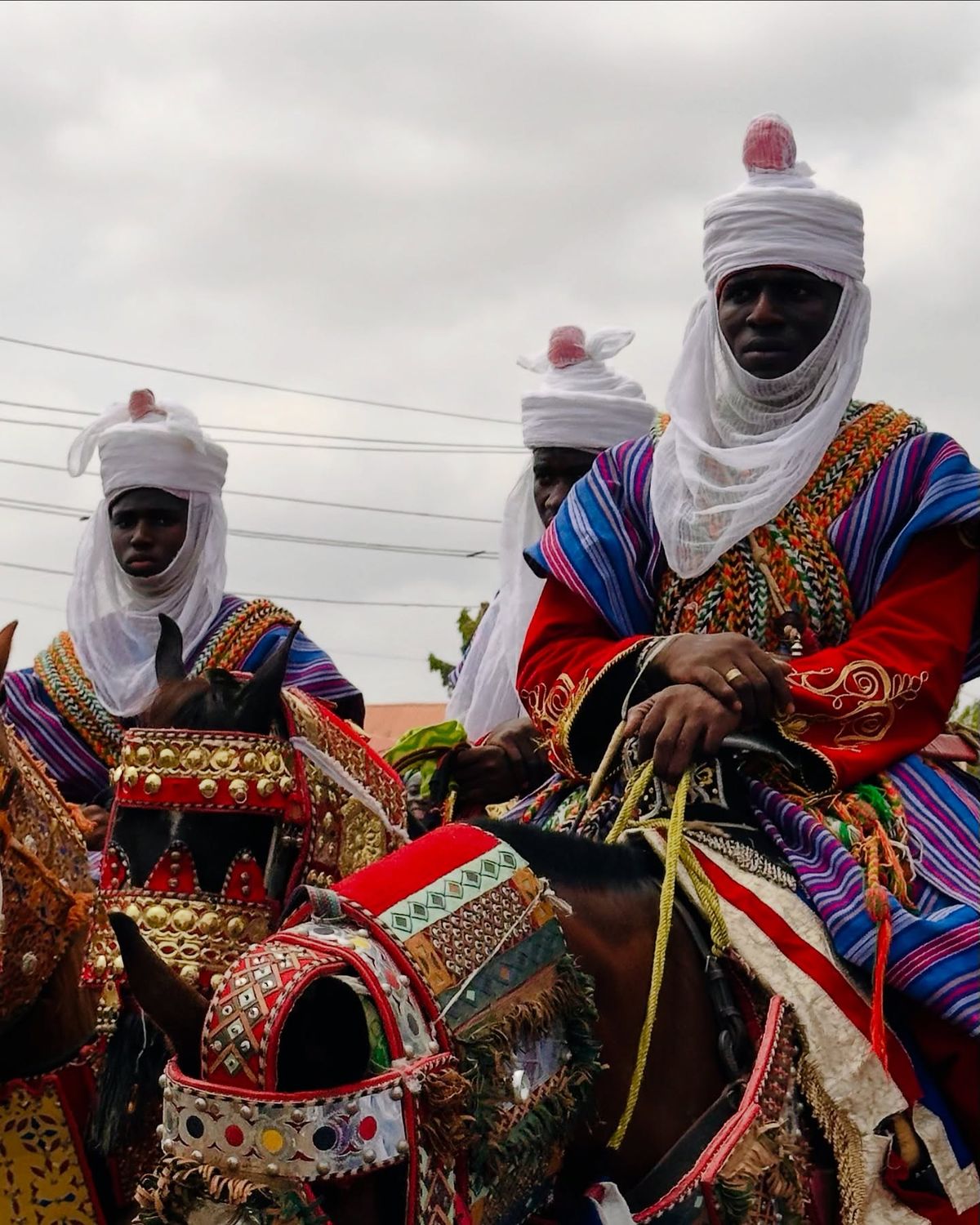
Grand Horse Parades of Northern Nigeria
Eid celebrations in Nigeria take on a majestic, royal tone through the Durbar Festival. In cities of Kano and Katsina, the end of Ramadan is marked by a spectacular parade of thousands of horsemen dressed in vivid, traditional regalia. They ride through the streets to pay homage to the Emir, accompanied by the sounds of trumpets and drumming. One of the highlights is the Jahi, an impressive display of riding skill. Riders speed towards the Emir, coming to a halt just in time to salute him. The whole event is filled with vibrant traditional music from kakaki trumpeters, along with dancers and drummers, which adds to the lively and festive atmosphere.
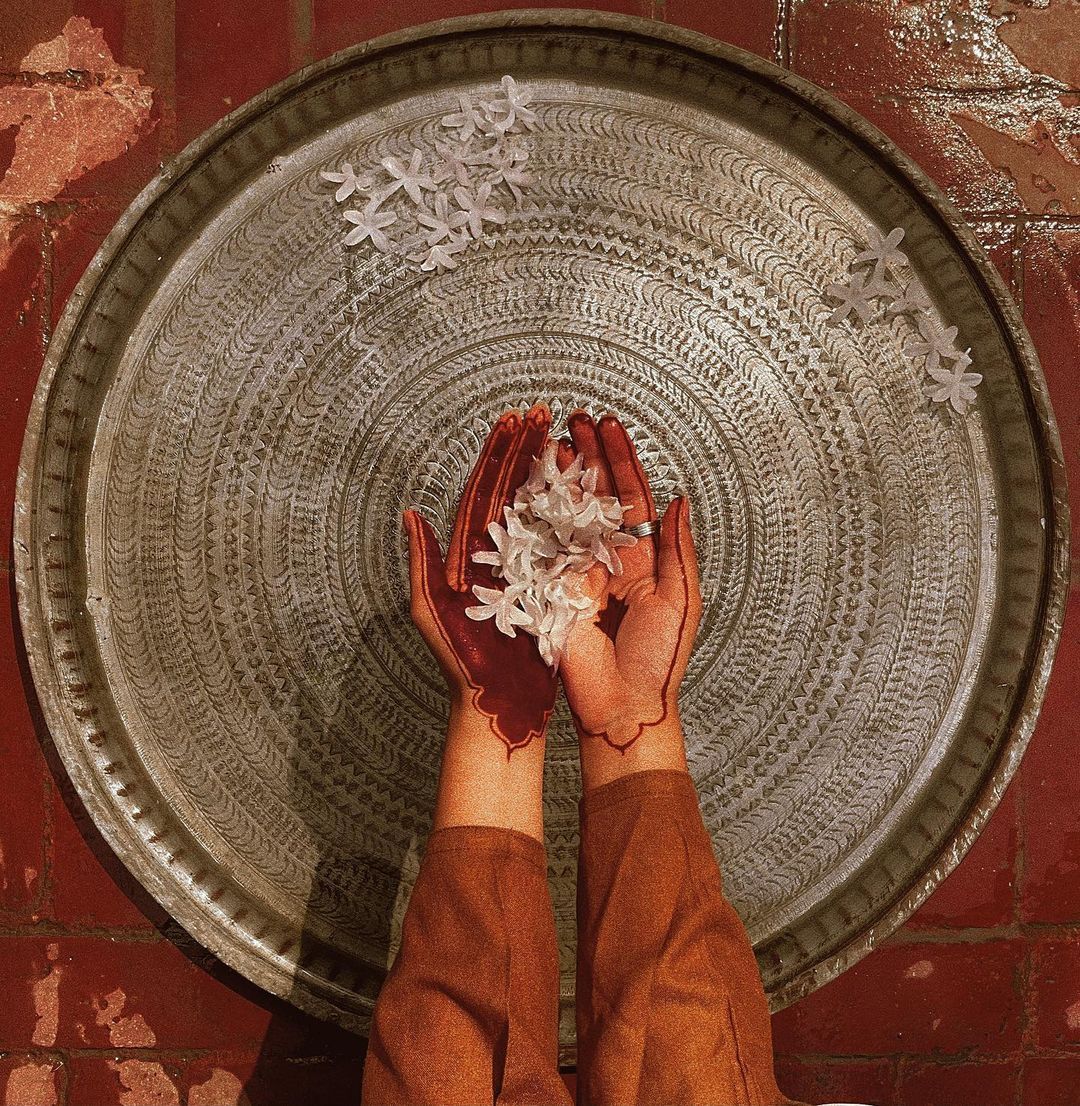
Henna and Chand Raat in the Indian Subcontinent
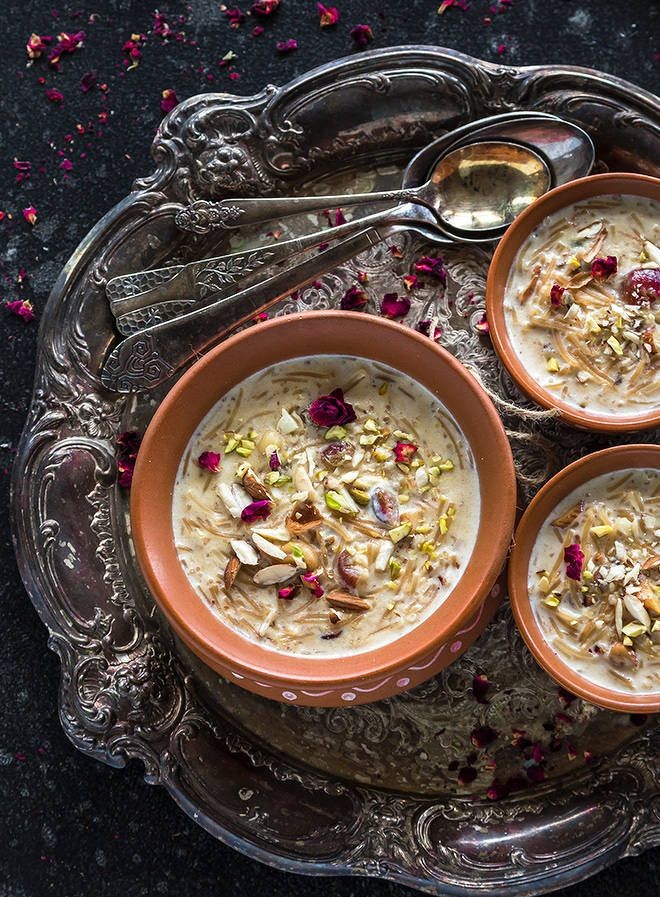
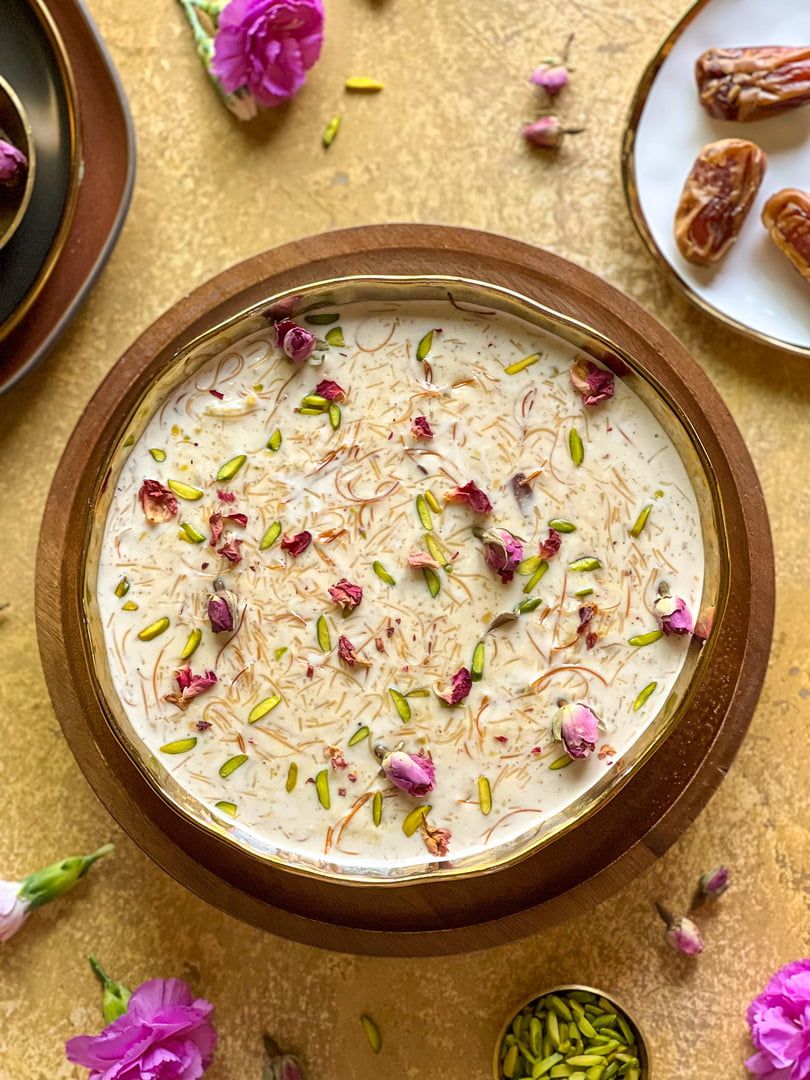
In Pakistan, India and Bangladesh, the excitement of the celebrations often reaches its highest peak the night before Eid, known as Chand Raat (the Night of the Moon). Markets stay open until the early hours of the morning as women crowd around henna stalls to have intricate Mehndi designs applied to their hands. On the day of Eid, the star of the show is Sheer Khurma, a creamy vermicelli pudding cooked with milk, dates and nuts. It’s a staple in every household, and it is tradition to offer a bowl to any guest who walks through the door.
The Midnight Moussem of Morocco
Moroccan celebrations begin early in the morning with the sound of the Moussem, a gathering of people in traditional white djellabas headed to the musalla (open-air prayer grounds). After prayers, the Moroccan breakfast table is a sight to behold, featuring Meloui (pancakes) and Baghrir (thousand-hole crepes) served with plenty of mint tea. In many neighbourhoods, there is a strong tradition of Zakat al-Fitr, where families personally deliver bags of flour or grains to those in need before the sun reaches its peak.
Community Picnics and Coastal Songs in Egypt and Kenya
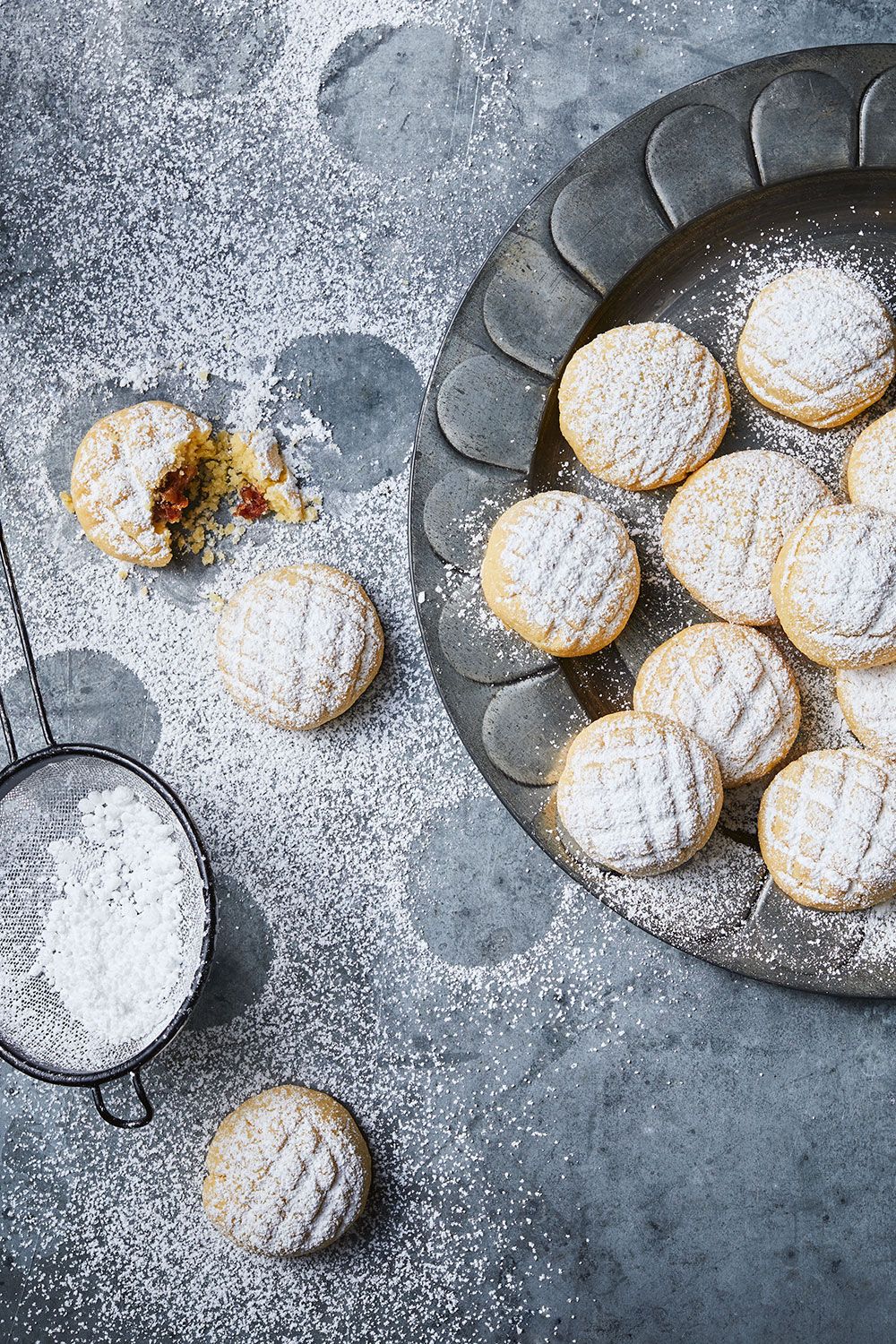
In Egypt, the festivities often take place outdoors. Families head to public gardens, parks and even zoos to enjoy the Mediterranean sun. The traditional treat here is Kahk, buttery cookies stuffed with walnuts or dates and dusted with a heavy layer of powdered sugar. In coastal towns, children often walk from house to house singing Islamic songs known as Maulidi, receiving small gifts or coins from neighbours in return.
Lanterns and Street Festivals in China
For the Hui and Uyghur communities in China, Eid, or Id al-Fetr, is marked by visiting the graves of ancestors to pay respects before the main communal prayers. In cities like Xi’an, the streets around the Great Mosque come alive with food stalls selling pulled noodles and lamb skewers. Many families hang traditional lanterns outside their homes, creating a festive glow that mirrors the lunar celebration and blends Islamic tradition with local aesthetics.
The Open House Hospitality of Malaysia
The Malaysian tradition of the Open House (Rumah Terbuka) is one of the most inclusive ways to celebrate. Following the morning Eid prayer, families literally open their doors to everyone, regardless of their religion or social status, to share a meal. It’s a wonderful showcase of national unity, where people from all walks of life come together to enjoy delicious dishes like Satay and Lemang, capturing the true essence of peace and gratitude.
Image credit: Pinterest

Mariam Khawer is a Dubai-based writer and PR professional whose work spans food, art, and travel across the region. When she isn’t chasing deadlines, she’s likely at a gallery opening, testing out a new restaurant, piecing together one of her mixed-media art projects or at home with her four cats, who keep her on her toes.