A new life for this old favourite
Forget ketchup and mustard, there’s a new powerhouse condiment taking over modern kitchens and it’s bringing layers of spicy, sweet and complexity to the table. We’re talking about Gochujang, the Korean fermented chilli paste that’s moving out of the banchan bowls and into the global “new pantry” of acclaimed chefs.
A New Global Favourite?
Why the sudden global obsession? According to Chef Giovanni of Akira Back, gochujang is a complex ingredient that can truly “hit all the flavour notes”. It brings a formidable quintet of flavours to the table, spicy, sweet, sour, savoury and umami, making it incredibly versatile.
View this post on Instagram
Chef Kelvin Cheung of Jun’s agrees, noting that gochujang is now an ingredient modern chefs “automatically reach for, no matter their background or cuisine”. He sees it as officially part of the “new pantry” alongside culinary heavyweights like miso, harissa and tahini.
What sets it apart is the elusive quality that “no other ingredient can replicate”. Chef Cheung describes it as an “earthy umami, that deep fermented funk balanced with a slow, mellow heat and touch of sweetness” that rounds out every dish its a part of.
From Korean Soul to Global Fusion
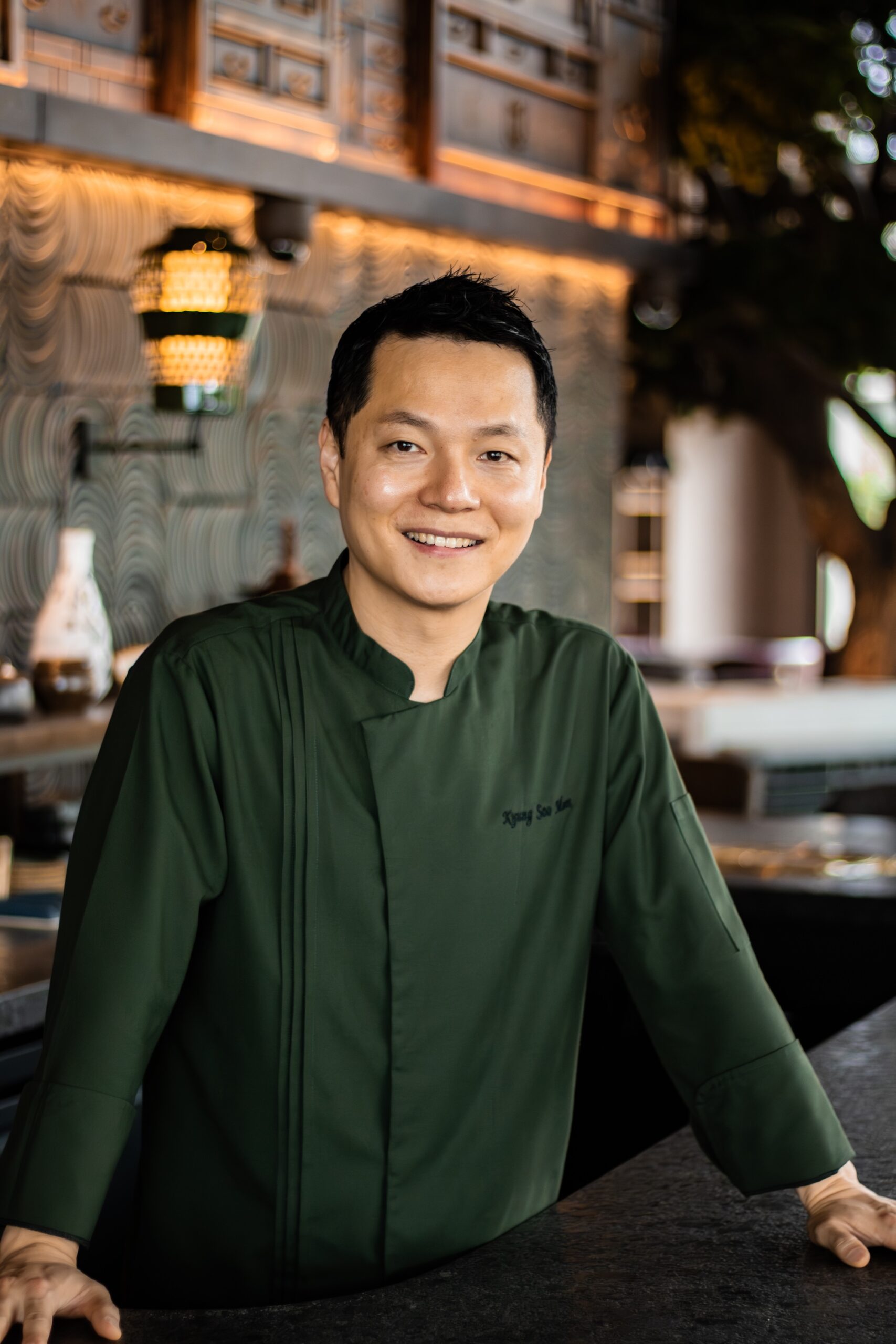
For many chefs, gochujang is a deeply personal ingredient. Chef Kyung Soo Moon, Group Culinary Director at HANU, says seeing its global recognition is “deeply meaningful,” as it’s not just a sauce, but a “part of our Korean soul”. He feels its depth reflects the Korean cultural value of time and craftsmanship.
View this post on Instagram
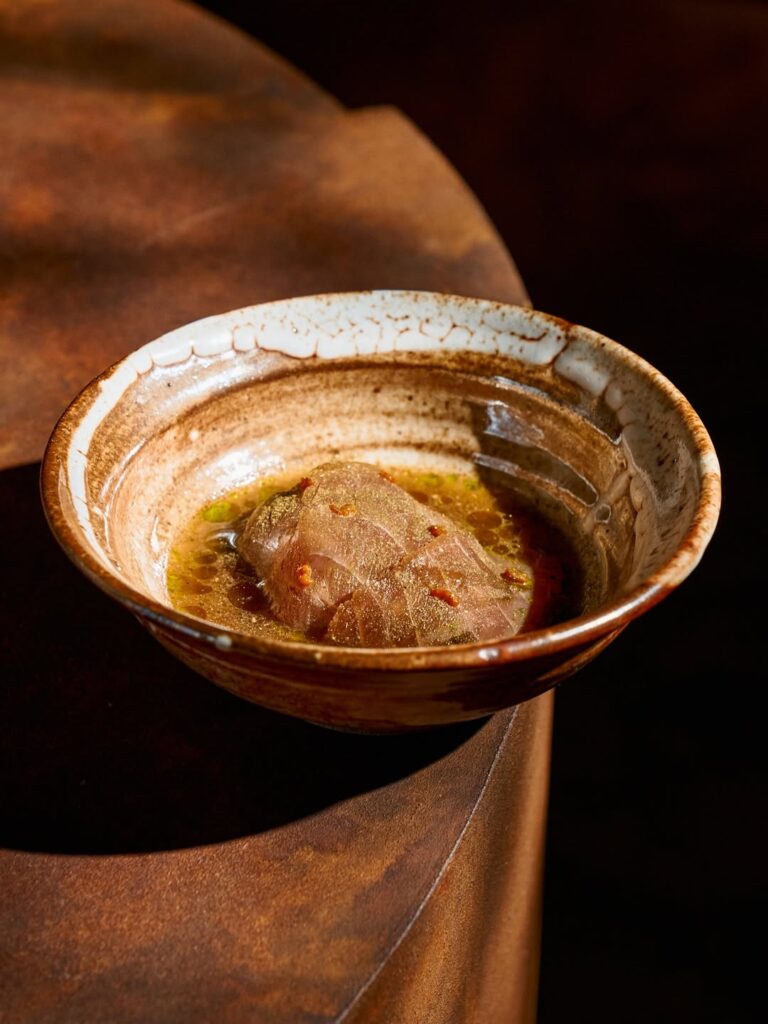
In Dubai’s dynamic dining landscape, chefs are using gochujang to bridge cultures – East Meets West (and Japan!): At Akira Back, the team incorporates gochujang into dishes, often blending it with Japanese and Western ingredients to create innovative flavours that honour its Korean roots while adding a global twist. A standout is their Mediterranean grilled seabass with chojang miso sauce, a brilliant fusion of gochujang and Japanese miso. This fusion “achieves the perfect balance of flavours” that enhances the fish’s delicate taste.
View this post on Instagram
At HANU, Chef Moon treats gochujang “as a fine ingredient rather than a sauce”. When working with premium cuts like Hoengseong Hanwoo beef, the goal is to “reveal” the natural flavour. Gochujang is used to bring a gentle heat, deep umami, and natural sweetness that creates harmony with the beef’s rich marbling. They even ferment or age their own variations to precisely adjust salinity and depth.
Gochujang in Dessert?
While savoury applications are the norm, Chef Kelvin Cheung is proving that gochujang has a playful side that’s perfect for desserts. At Jun’s, he uses it in a way that truly surprises diners, as the star of a gluten-free gochujang cookie that forms the base of a frozen yoghurt dessert.
This unconventional use perfectly captures the balance he aims for, cool and creamy, sweet and spicy. The dessert, which includes home-spun frozen yoghurt, Hatta honey and Maldon sea salt, comes topped with chilli oil for those who want that full sweet-and-spicy experience.
View this post on Instagram
As it gains popularity, Chef Moon cautions gochujang can often be “misunderstood outside Korea,” frequently “seen as just a spicy chilli paste”. He stresses that it’s actually a “living, evolving flavour with layers of sweetness, saltiness and fermentation” which he aims to show guests how elegant and versatile it can be by integrating it gently, as a glaze, a sauce base, or a subtle accent with raw or grilled dishes.
The Takeaway
By demonstrating its deep umami, balanced heat and incredible versatility in everything from premium beef glazes to frozen yogurt desserts, chefs in Dubai are proving that this complex Korean paste is far more than just a spicy chili sauce. Gochujang has definitively earned a permanent place on the international culinary stage.
Image credit: Pinterest

Mariam Khawer is a Dubai-based writer and PR professional whose work spans food, art, and travel across the region. When she isn’t chasing deadlines, she’s likely at a gallery opening, testing out a new restaurant, piecing together one of her mixed-media art projects or at home with her four cats, who keep her on her toes.