A woman’s job, but a man’s recognition?
Cooking has long been framed as a ‘woman’s job’. For centuries, women fed families, preserved culinary traditions, and passed recipes down through generations. The kitchen, historically speaking, was our domain.
And yet, when cooking became professional, prestigious, institutionalised, and profitable – the balance – unironically, shifted.
Today, the restaurant world still carries a strong perception of male dominance. Walk into most fine-dining kitchens and the brigade system still resembles the rigid hierarchy first popularised by Auguste Escoffier in the late 19th century: disciplined, hierarchical, and traditionally male. Borderline military. Even now, majority of MICHELIN-starred restaurants are led by male chefs.
Which begins to raise a strange contradiction. If women have always been the cultural backbone of cooking, why are men perceived to dominate the professional world of cooking?
Part of the answer lies in struggle of getting recognised.
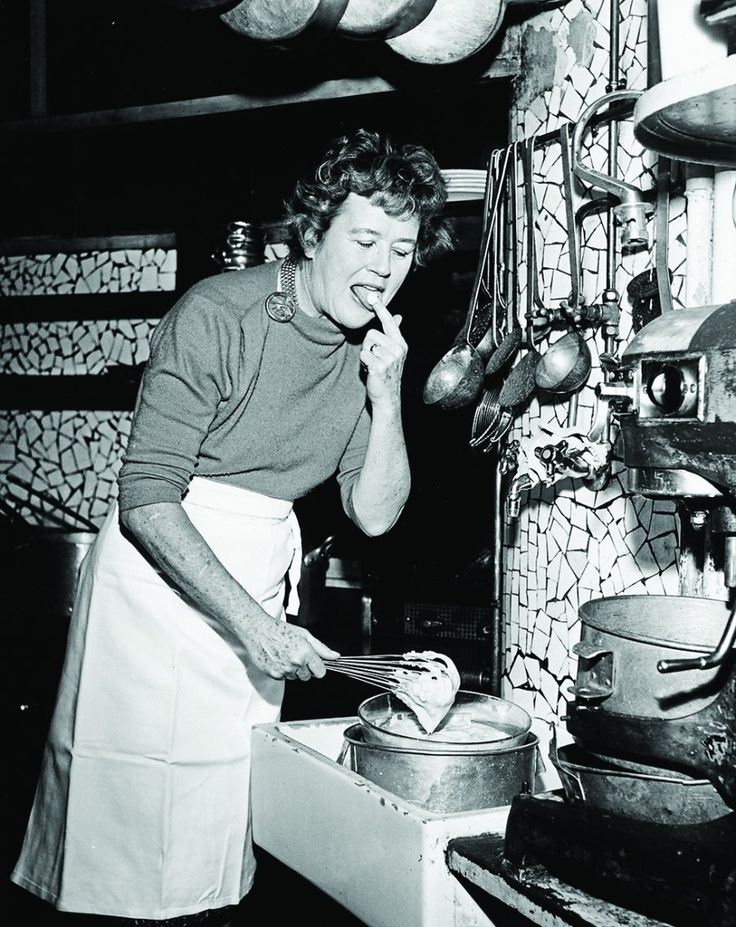
Take Julia Child, for example. Arguably one of the most influential figures of modern food culture. When she published Mastering the Art of French Cooking in 1961, she clarified classical French cuisine for American home cooks.
Her television show The French Chef reshaped the way people thought about cooking itself. She wasn’t concerned with perfection. She dropped chickens, laughed at mistakes and made technique feel accessible.
But notably, Child’s influence existed outside the traditional restaurant hierarchy. She didn’t build her reputation through MICHELIN stars or restaurant empires, she built it through education and media.
That pattern repeats across the history of women in food.
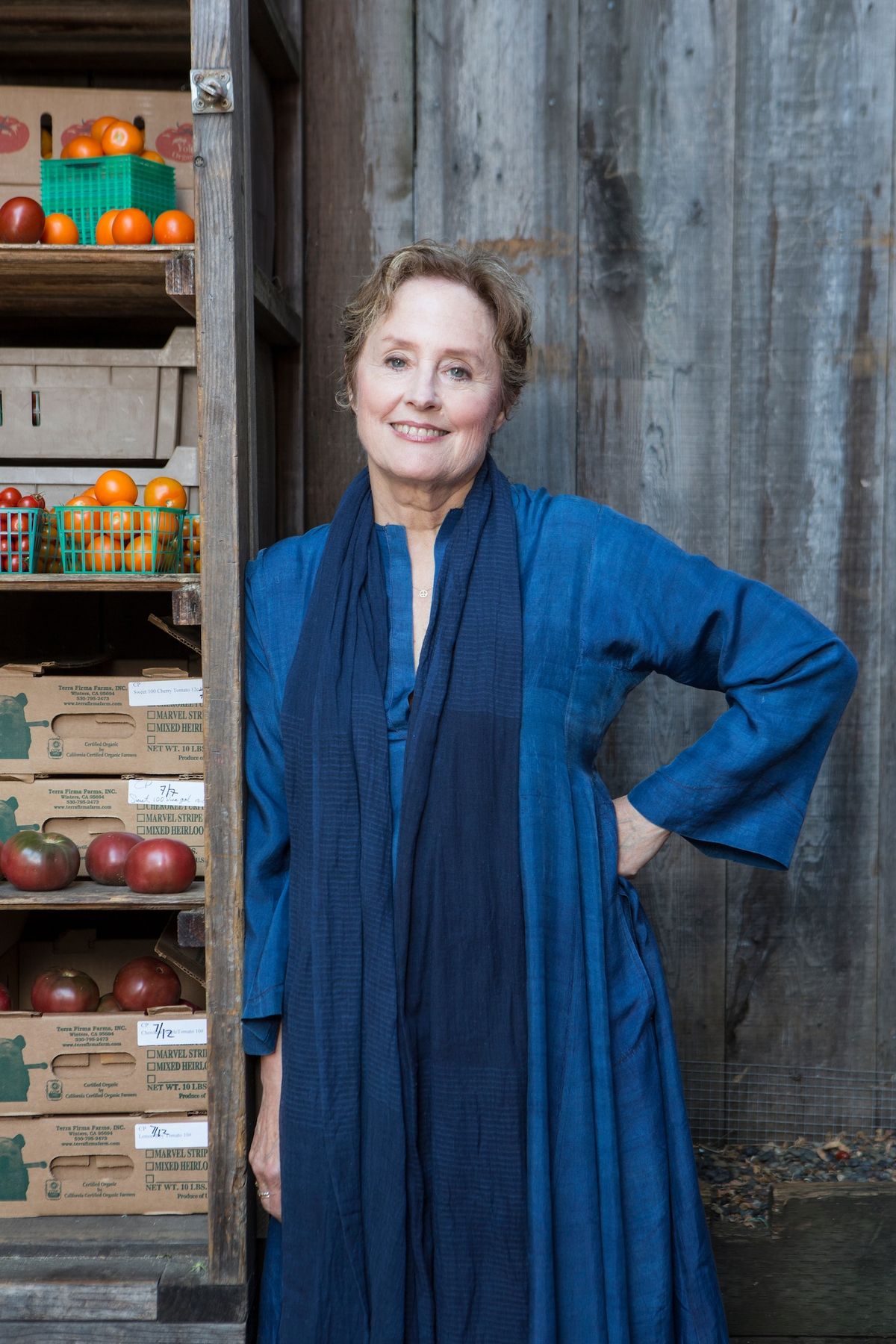
Next, Alice Waters changed the trajectory of global dining when she opened Chez Panisse in 1971. Waters championed seasonal produce, local farmers, and simple cooking long before ‘farm-to-table’ became the buzzword it is today. Her philosophy shaped and inspired countless chefs’ approaches to ingredients for the modern cook.
Even Waters, despite her enormous influence, is often framed more as a food thinker or activist than as a celebrity chef in the traditional sense.
Then there’s the icon Ina Garten, whose Barefoot Contessa empire turned dinner parties and roast chicken into a lifestyle aesthetic. Garten represents another alternative path to culinary authority: calm, welcoming, and rooted in hospitality rather than the high-pressure theatrics that define many restaurant kitchens today.
Finally, Anne-Sophie Pic – the closest example of a woman fully breaking through the industry’s most elite structures. Pic is the most decorated female chef in the world, with multiple stars across her restaurants all over the globe. But her success also highlights how rare the achievement still is.
Despite these iconic and powerful trailblazers, women remain underrepresented in the highest tiers of restaurant leadership.
The reasons are structural and rooted in an interesting paradox. Professional kitchens were historically built around gruelling hours, physical labour, and a culture that rewarded endurance above all else.
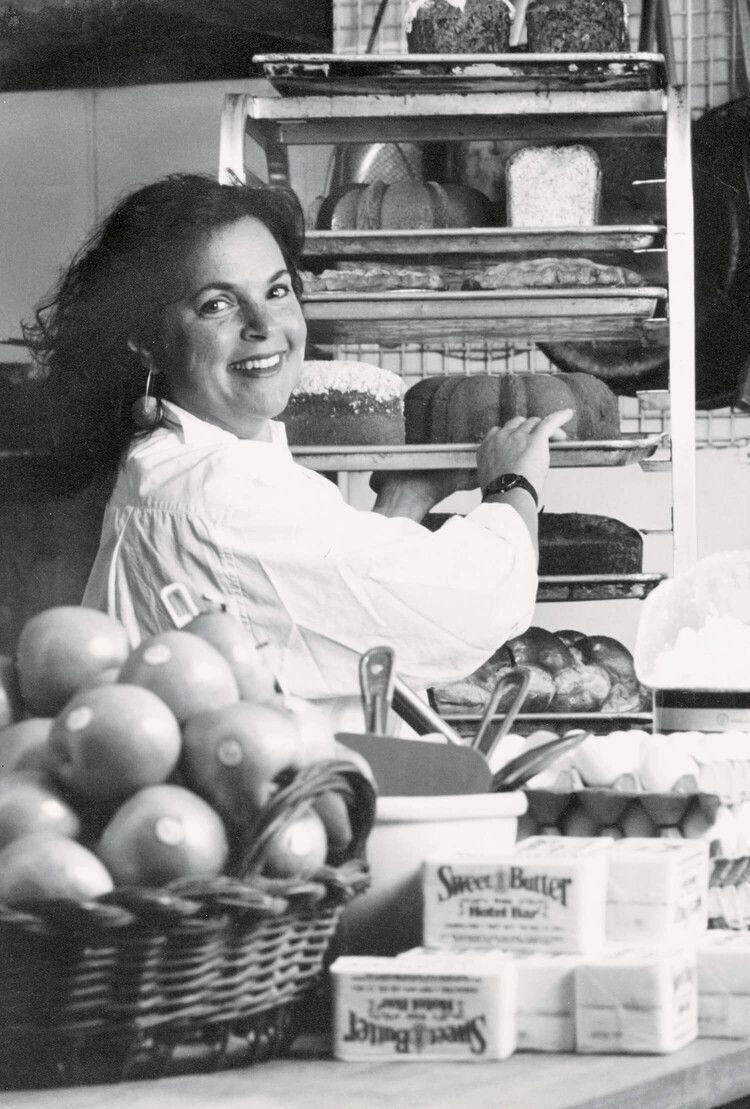
The brigade system itself, modelled loosely on military hierarchy, favoured environments that were competitive, aggressive and often exclusionary.
Recognition systems didn’t help either. Culinary awards, rankings and MICHELIN stars traditionally amplified a small group of chefs who were overwhelmingly male – creating a feedback loop where visibility generated more visibility.
Take an example as simple as the cartoon classic, Ratatouille. Explaining how she earned her place on the brigade, chef Colette Tatou tells Linguini says: “I have worked too hard for too long to get here, and I’m not going to jeopardise it.” The moment is brief, but it captures something very real about the industry.
She further on in the film talks about hierarchy in the kitchen and says: “Rules designed to make it impossible for women to enter this world. But still I’m here! How did this happen? Because I am the toughest cook in this kitchen!”

For women in professional kitchens, talent alone has rarely been enough – advancement has often required proving oneself twice over in spaces that were never designed with them in mind. Even in a children’s film about a rat who wants to cook, the reality of the kitchen hierarchy isn’t lost.
The irony, of course, is that food culture itself has always been shaped by women.
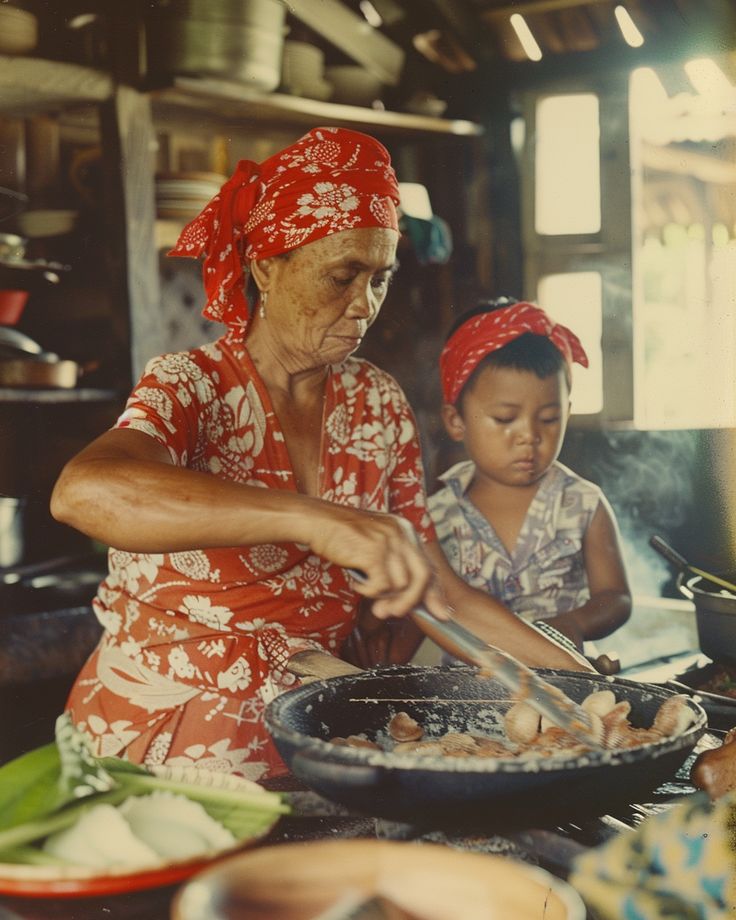
Think of the nonnas of Italy and the tetas of Lebanon, the nanis and dadis of South Asia.
Every recipe passed down through families, every home kitchen experiment, every grandmother’s secret technique – these are the foundations upon which professional gastronomy was built. The restaurant world simply formalised what women had been doing all along.
What’s changing now is the narrative.
A new generation of female chefs, restaurateurs and food voices are entering the industry not by replicating the old systems, but by reshaping them.
Collaboration is replacing hierarchy, sustainability is overtaking ego-driven dining, and leadership styles are evolving.
The perception of male dominance in the kitchen may still linger. But if history tells us anything, it’s that women have always been there – shaping the way the world cooks, eats and thinks about food.
Here on home ground in Dubai, we’re witnessing the strength that is women in food. With the likes of Chef Salam Daqqaq of Bait Maryam and Sufret Maryam, who continues to pioneer as the best female chef in North Africa and Middle East, and Natasha Sideris, who has built an empire through tasha’s Group globally.
We see ‘home chef’ Gabriela Chammoro slicing a piece of the pie in her own right with moving from a famous supper club to the gorgeous Central American restaurant Girl & The Goose. Chefs such as Shaw Lash are championing local home-grown farm-to-table just like Alice Waters. While Chef Neha Mishra is building her own kingdom one bowl of ramen at a time in Dubai and London, with a brand-new opening of the Temaki restaurant Tezukuri.
View this post on Instagram
Lynn Hazim of Middle Child, Stasha Toncev of 21grams and Piehaus, Iman Nazemi of Kishmish, Patricia Roig, Carmen Rueda, Celia Stoecklin, Penelope Diaz, Sahar Al Awadhi and many, many more.
Perhaps the real paradox of the culinary world is this: women have always cooked, but men have historically been the ones celebrated for it. For generations, women shaped food culture in domestic kitchens – preserving techniques, passing down recipes and defining the way families and communities eat. Yet the moment cooking became a profession, complete with awards, rankings and prestige, it quickly became male-dominated.
View this post on Instagram
As more female chefs step into leadership roles – from fine dining kitchens in Europe to restaurants in cities like Dubai – the industry is slowly confronting a reality that has been hiding in plain sight: women have always shaped the way the world cooks. The difference now is that they’re finally getting the recognition that they deserve.
Image credit: Pinterest

Never afraid of an em-dash or trying new places across the world. Shelby thrives on sharing her favourite restaurants, cafes and hole in the walls. If she’s not eating out she’s at home trialing new recipes in her kitchen while binging series.