If you’re an aspiring serious raver, this one’s for you
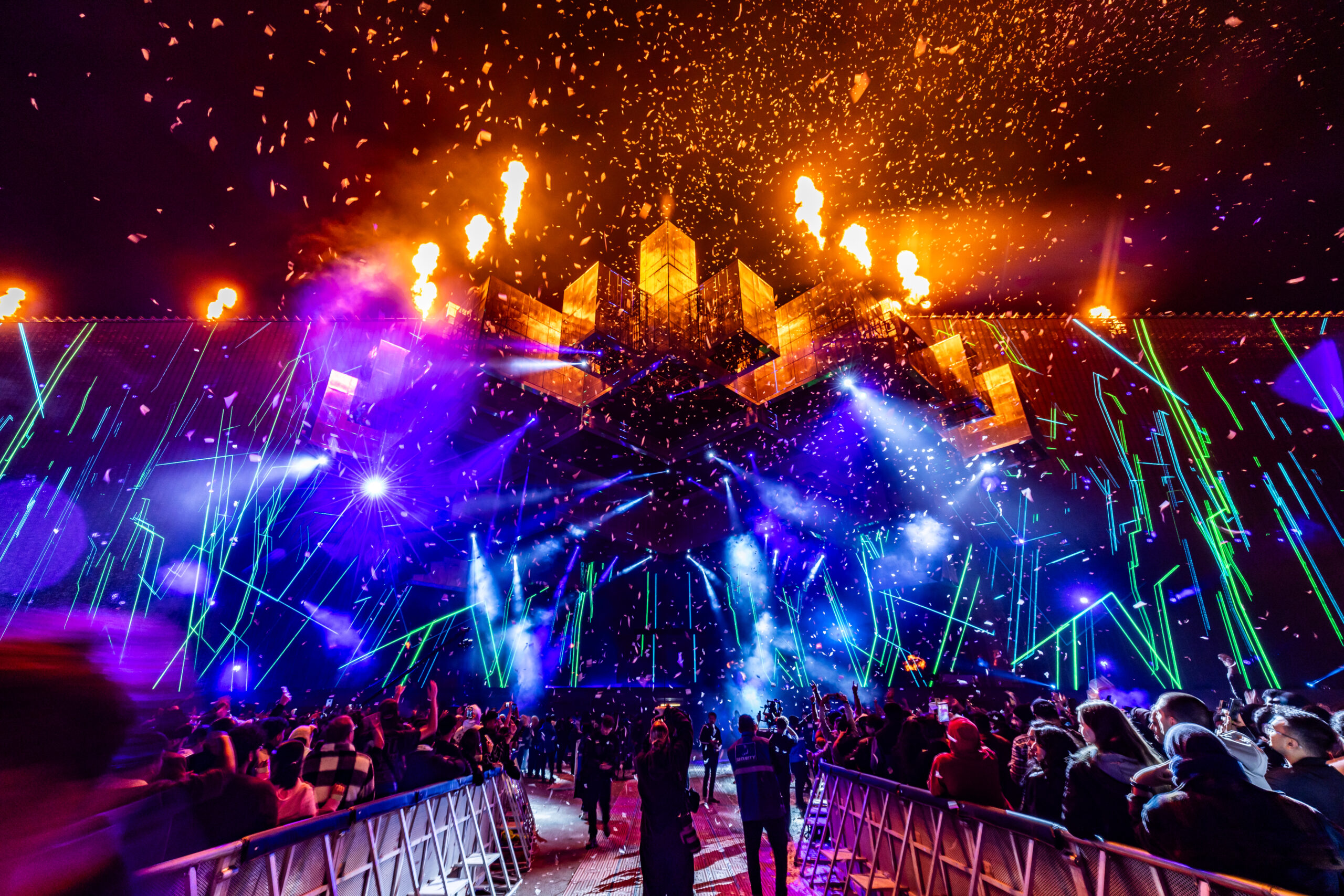
Festivals are among the few travel experiences that genuinely refuse repetition. The lineup changes. The stage design evolves. The crowd carries a different emotional temperature each year. Even the version of you standing there shifts with time. That unpredictability is what makes long-haul travel feel rational rather than excessive.
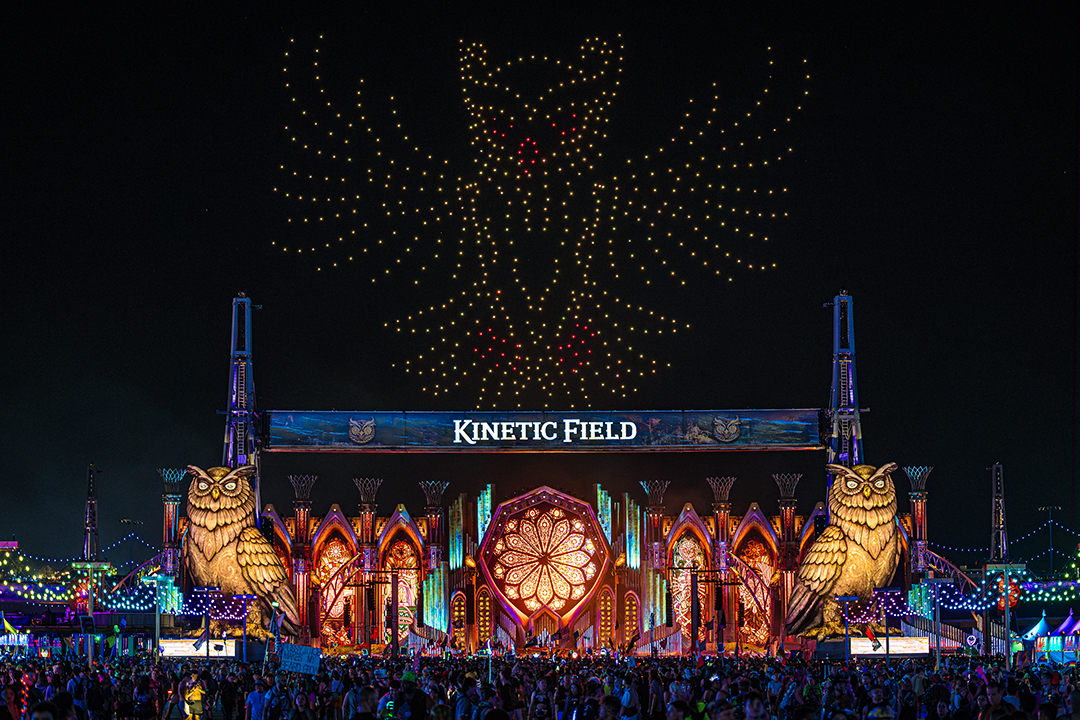
Flying from Dubai to Las Vegas for Electric Daisy Carnival becomes intentional. Structuring a week in Miami around Ultra Music Festival feels like cultural investment. Spending days in Belgium for Tomorrowland reads as deliberate indulgence. These gatherings become annual reunions. Touring super fans recognise one another across continents. Artist crews reappear. Industry professionals reconnect. For first-timers, they are entry points into friendships that extend far beyond a single weekend.
The goal is not simply to survive a multi-day event. It is to travel well enough that the destination remains as vivid as the main stage.2
Control Your Spending
Festival travel compresses spending into a short window, and the pace makes it easy to overshoot. Separate the festival budget from the broader travel budget before departure. Decide what you are comfortable allocating to tickets, onsite food and drinks, and merchandise. Keep that distinct from flights, accommodation, dining, and transport.
If the festival offers a layaway plan, use it. Spreading payments across several months keeps cash flow steady and reduces financial pressure closer to departure. Buy tickets only through official platforms or verified resale exchanges.
Cashless wristbands make spending frictionless. Reload once per day instead of topping up impulsively. Limited-edition merchandise often sells quickly, so decide in advance if one meaningful piece matters to you. Expect surge pricing during the festival.
Bring two payment methods from different banks and notify your bank before travelling. Carry a small amount of emergency cash discreetly on your person at all times. Keep it separate from your wallet. If your phone battery dies or connectivity drops, that reserve protects your autonomy.
Sleep Is the Most Underrated Luxury
Accommodation decisions determine whether the week feels indulgent or punishing. Hotels provide consistency, climate control, and professional housekeeping that become invaluable after 40,000 steps under electric skies or summer heat.
Airbnb and short-term rentals can appear appealing, but cancellations during major event weeks are common. Booking early protects availability and choice.
Design the Trip Around Recovery
International festival travel compresses time zones and sleep cycles into one concentrated week. Arrive at least 48 hours before gates open and avoid landing on the same day as Day 1. A full sleep cycle before dancing makes a measurable difference, particularly if you are crossing eight to twelve time zones.

Begin adjusting your sleep schedule three or four days before departure. Shift bedtime gradually rather than shocking your body upon arrival. Hydrate intentionally before boarding, and continue during the flight. Long-haul air cabins dehydrate quickly, and dancing the next night amplifies that deficit.
Compression socks may not be glamorous, but neither are swollen ankles on a main stage. Protect mornings during the festival itself. Resist stacking sightseeing plans between late nights.
Pack With Intention
With flights booked and hotels secured, the final variable is what goes into your suitcase. Packing for a festival-centred trip demands practicality.
This cannot be stressed enough. Wear broken-in shoes and pair them with quality insoles to reduce impact. Check the weather forecast and plan for breathable fabrics or evening layers. Anti-theft phone tethers provide reassurance in dense environments.
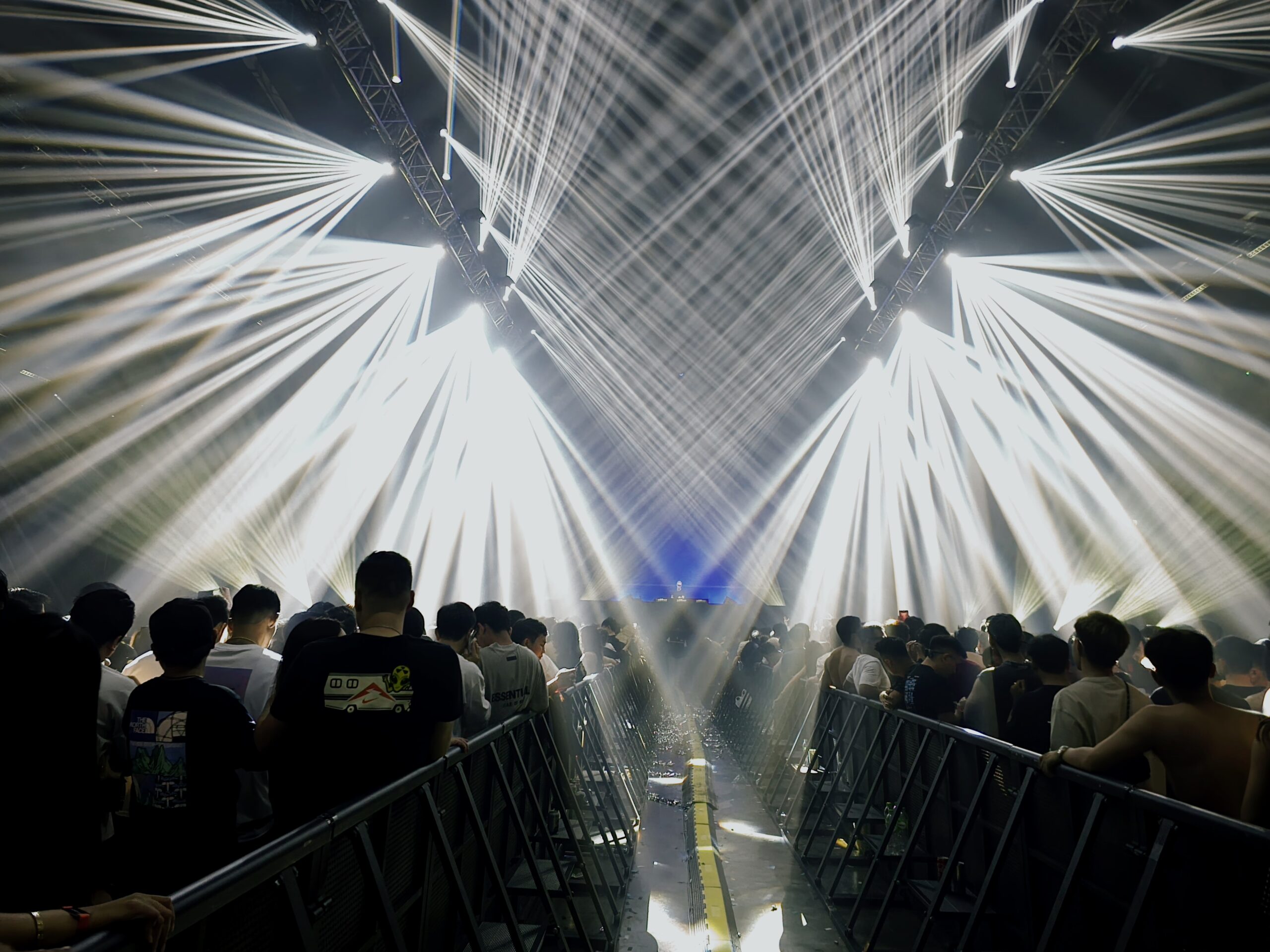
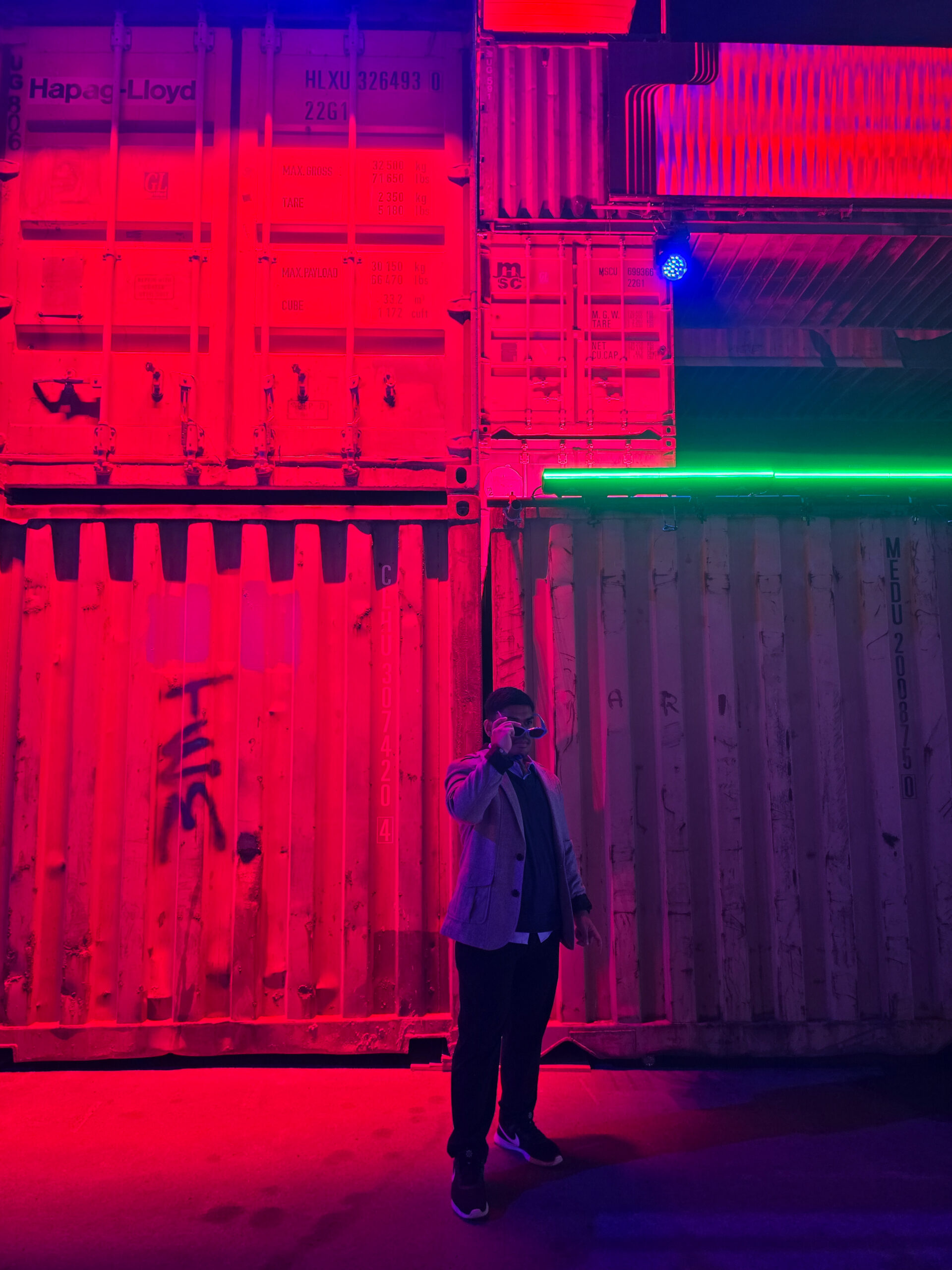
Earplugs are non-negotiable. High-intensity speaker systems can cause irreversible hearing damage, and tinnitus affects even some of the world’s top DJs. Sunglasses at night soften intense lasers and shield your eyes from airborne debris after fireworks. Install an eSIM for reliable connectivity, but take screenshots of key information in case the signal weakens.
Go Solo, Thank Us Later
Travelling solo to a festival feels bigger in your head than it does in reality. Once inside, you realise that everyone around you came for the same reason. Standing in front of the same stage for hours creates instant common ground. Conversations start easily. A simple “Who are you here to see?” often begins everything.
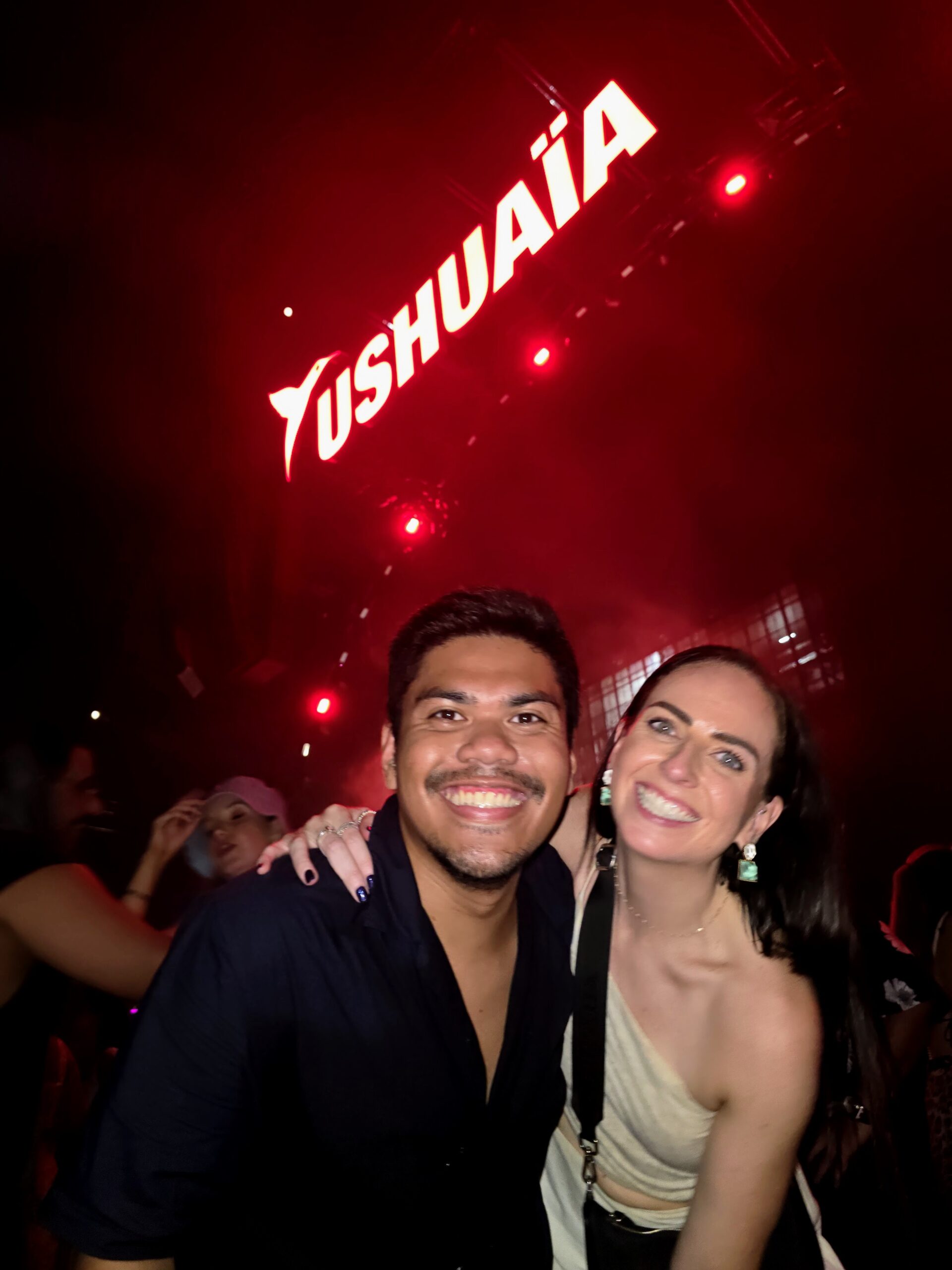
There are Instagram communities dedicated to solo festival travellers, and many events host informal meet-ups. Joining one before departure can make the first hour feel familiar.
Going alone gives you control. You choose the sets you genuinely want to see. You rest when you need to. You leave a stage without negotiation. That autonomy often leads to a more immersive experience.
Know the Grounds Before You Lose Yourself in the Music
Preparation extends beyond packing. Before gates open, download the official festival app and take screenshots of the map on your phone. Keep offline images of stage locations, medical tents, water refill stations, exits, and information booths.
On arrival, orient yourself before heading into the crowd. Locate exits and medic stations. Identify water access points. If you are with friends, agree on a fixed meeting point and time in advance.
Energy Is the Real Currency
Multi-day festivals resemble endurance events more than casual evenings out. Begin hydrating before entry and continue consistently throughout the night. Electrolyte tablets replace minerals lost through sweat and help prevent the heavy fatigue that creeps in by the last day. Eat properly before gates open to stabilise energy, never too heavy that you end up sleepy mid-set.
Plot out a light gym session, run, or yoga before going to the venue. It sounds minor until you are twelve hours in. Elevate your legs for fifteen minutes when you return to your hotel. Cold showers reduce inflammation and muscle fatigue, and a quiet reset ritual at night improves sleep quality.
Afterparties deserve discipline. Choose one intentionally instead of attending every option presented.
Use the Gaps to Rediscover the Destination
A festival trip should still feel like travel. Between shortened sleep cycles, create space to engage with the destination. Start with one intentional meal outside the festival grounds. Book a proper reservation before you arrive so you are not searching for options at midnight. Sit down, order thoughtfully, and allow the experience to slow your pace. Your body has already survived heavy bass and long distances. It deserves a real chair and a hearty plate.
Use daylight hours for one focused activity rather than an ambitious checklist. Walk a single neighbourhood. Visit a market. Spend an hour in a café observing how the city moves when it is not vibrating to 128 BPM.
Global Festivals Worth Travelling To
Certain festivals justify distance because they represent cultural movements as much as music gatherings. Glastonbury in the UK transforms farmland into a multi-genre pilgrimage where heritage and performance coexist across vast open fields. Coachella reshapes the California desert into a curated intersection of music, art, and fashion culture.
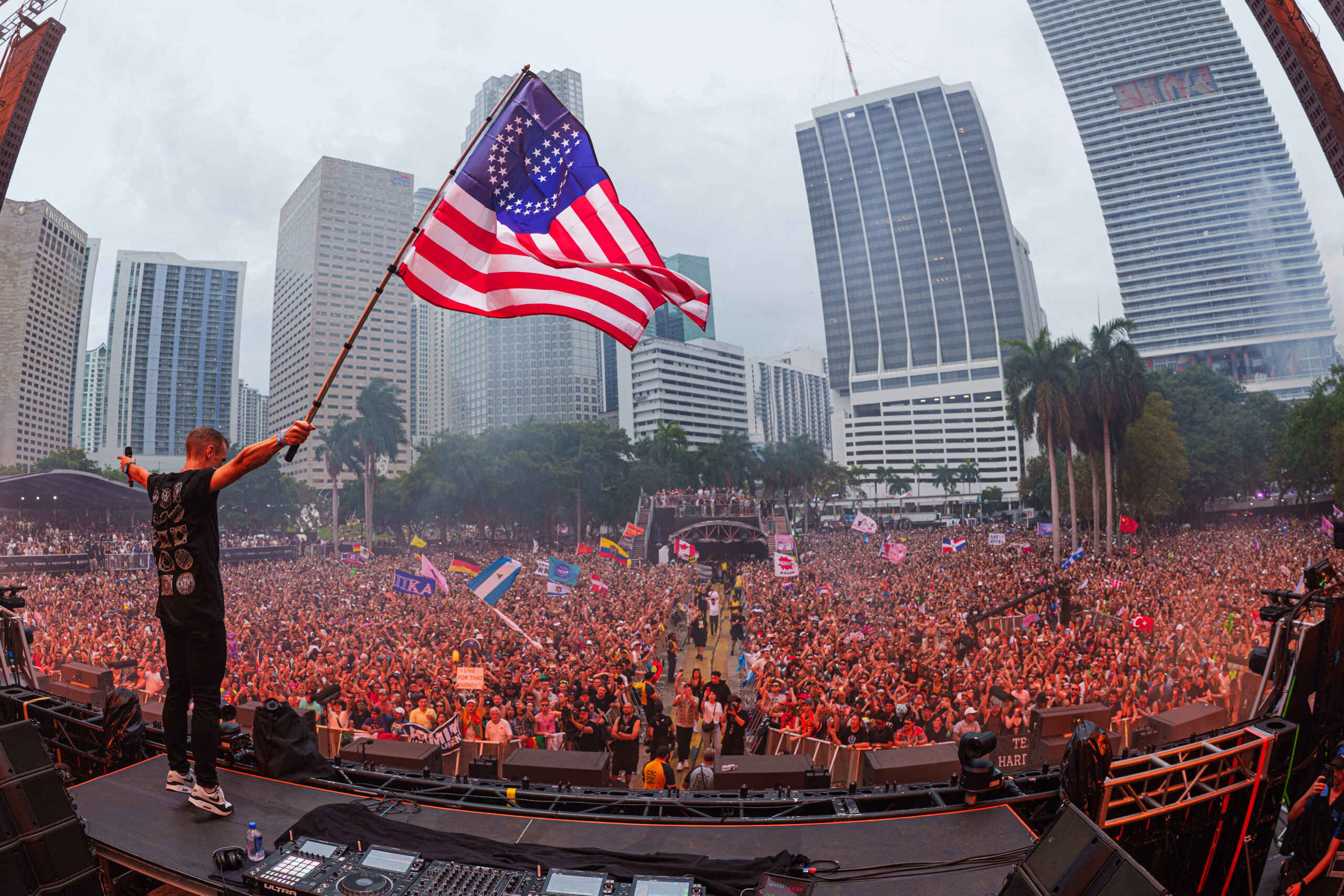
Siam Songkran Music Festival merges electronic music with Bangkok’s New Year celebrations. Across the Middle East, UNTOLD Dubai demonstrates how large-scale production adapts across geographies. Riyadh’s Soundstorm reflects a rapidly evolving cultural force where regional identity intersects with global lineups.
Plan the Exit Before You Arrive
Departure day determines how the entire journey is remembered. Major festivals release tens of thousands of travellers into traffic systems and airport terminals at once. Build in at least a four-hour buffer before your flight.
Avoid stacking high-pressure commitments immediately after returning home. Emotional comedown and physical fatigue are natural after intense experiences.
Image credit: Supplied/Pinterest
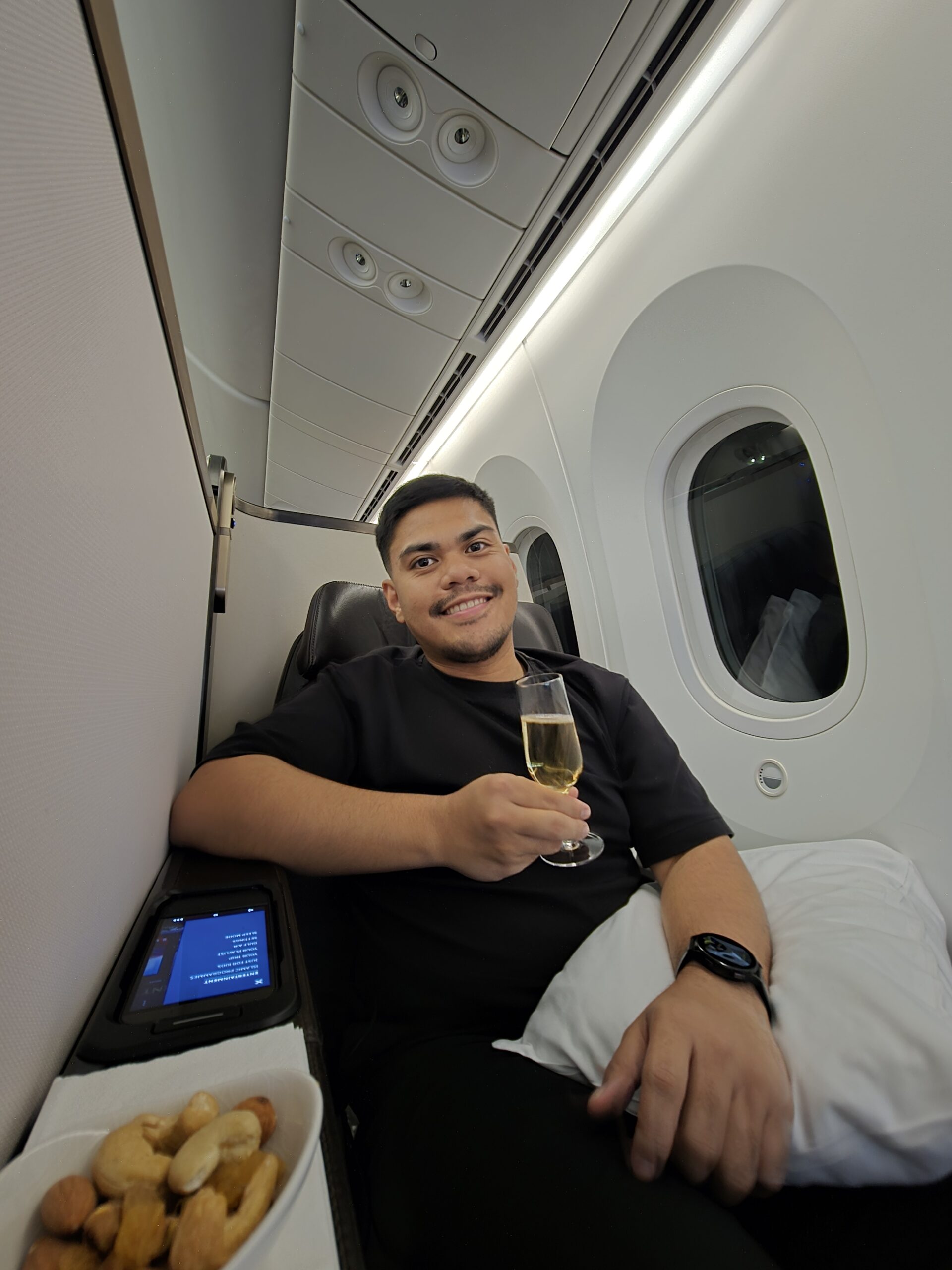
Angelo De Guzman is an international music and travel journalist who tracks the year in festivals and flight numbers. He covers luxury travel, global DJs, and dance music culture while breezing through departures and five-star hotels. You’ll find him backstage or at a chef’s table, occasionally all in the same weekend. He remains convinced that champagne tastes better when his seat number has only one digit.