The holy month, the world over
As the sun sets during Ramadan, kitchens everywhere come alive in their own way. The call to prayer may sound different from country to country, but the instinct is the same gather, eat and mark the end of the fast with care. Across the Muslim world and beyond, Ramadan food traditions reflect geography, history and family life, shaped by local ingredients and long-held habits.
From coconut-based desserts in Southeast Asia to soups that appear only once a year in North Africa, these dishes are rarely just about hunger. They signal comfort, celebration, and connection. Here are some of the most beloved Ramadan food traditions from around the world, each offering a glimpse into how the holy month is experienced at the table.
The Middle East & North Africa
Saudi Arabia
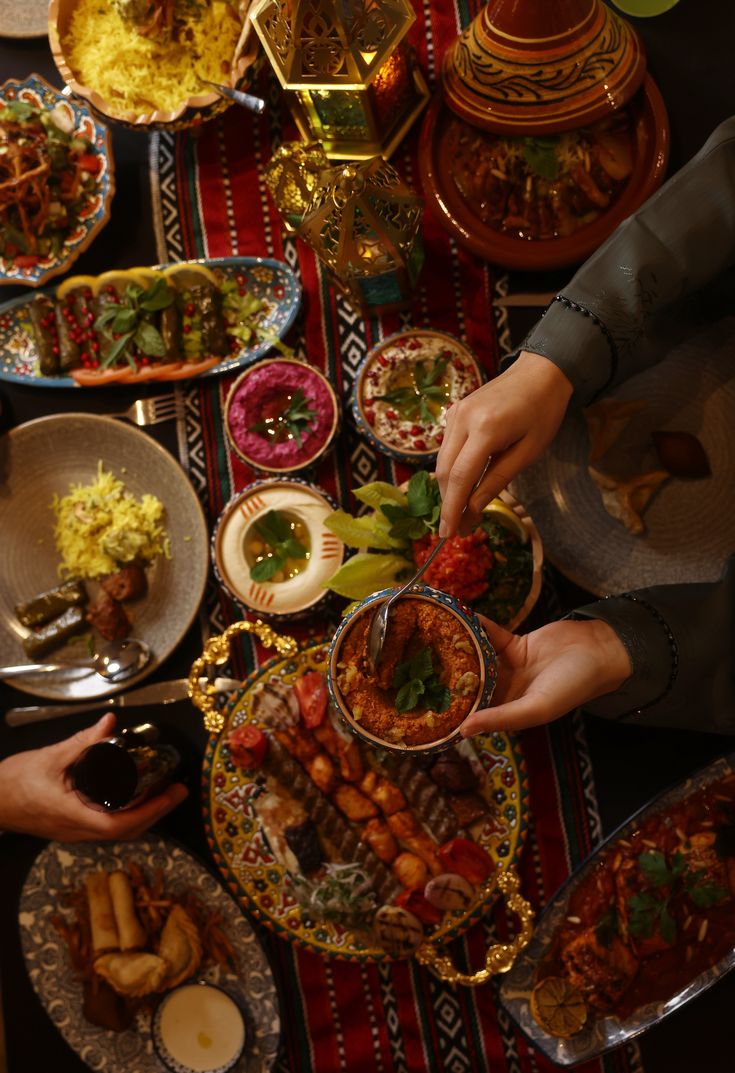
In Saudi homes, Iftar often begins simply with dates and water, followed by dishes that feel deeply familiar. Jareesh, made from cracked wheat slow-cooked with meat, is a staple throughout the month. Samboosa filled with meat or cheese are fried fresh before sunset, filling kitchens with anticipation. Sharing food with neighbours just before Maghrib remains a cherished custom.
Morocco
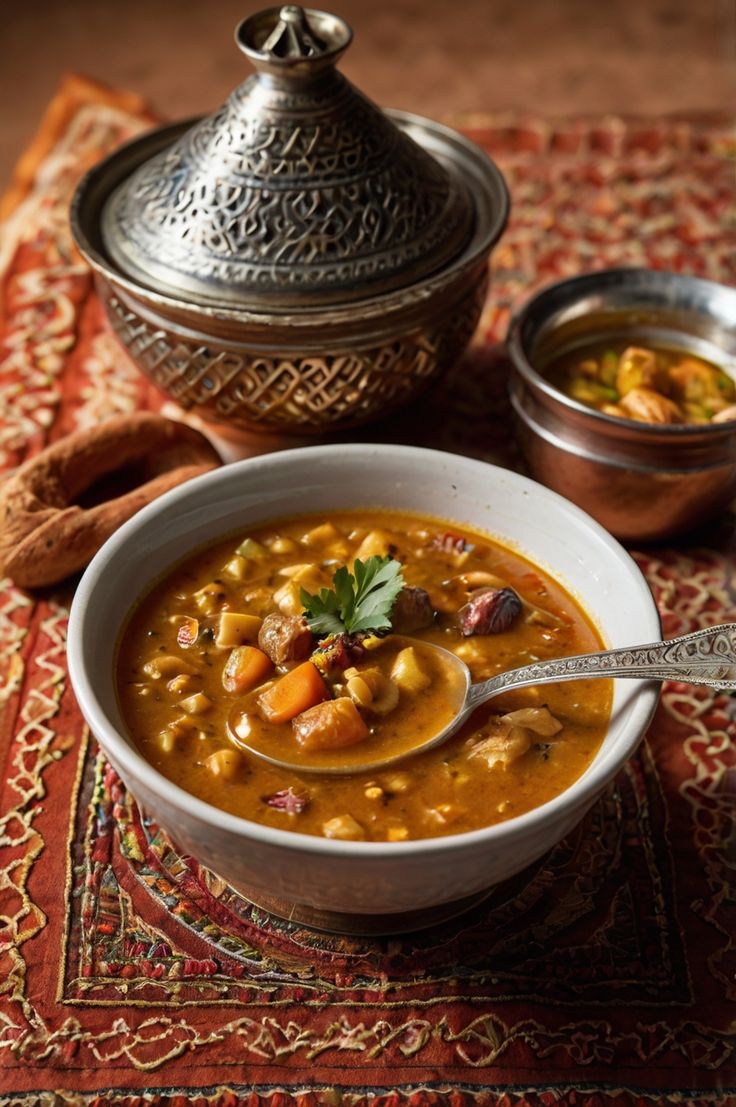
In Morocco, Ramadan evenings almost always start with harira, a warming soup of lentils, chickpeas, tomatoes, and herbs. It’s paired with chebakia, sesame pastries fried and dipped in honey. The contrast between savoury and sweet is intentional and sets a comforting tone for the meal.
Egypt
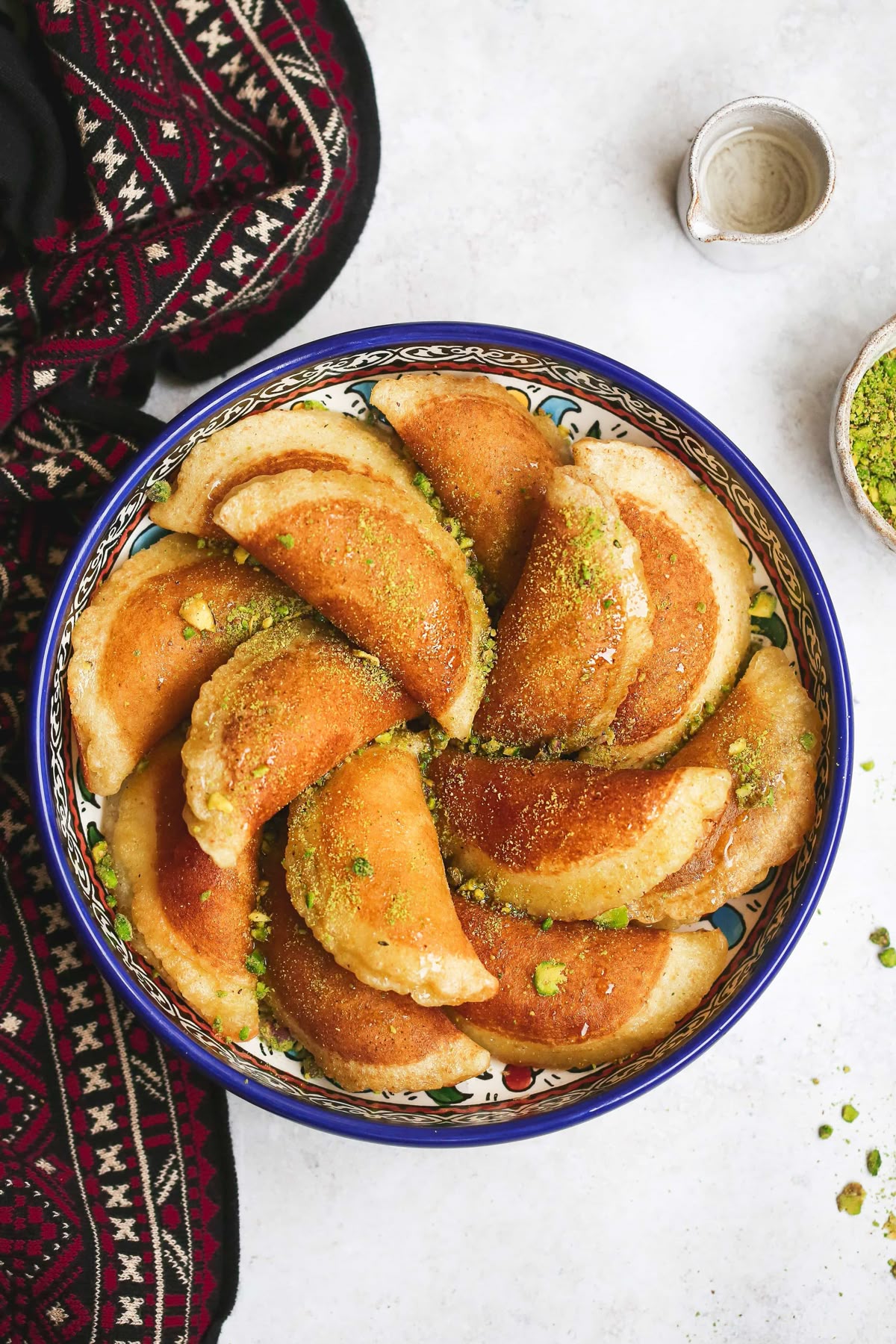
Egypt’s streets change during Ramadan, decorated with colourful fanoos lanterns. At Iftar, qatayef takes centre stage. These soft pancakes are folded around nuts or cream and prepared in countless variations. Sold at stalls that appear only during the month, they are tied closely to the season itself.
United Arab Emirates
In the UAE, harees remains one of the most traditional Ramadan dishes. Wheat and meat are cooked slowly until smooth and hearty. Families often exchange dishes with neighbours, reinforcing the social fabric of the month. Luqaimat, crisp on the outside and drizzled with date syrup, are also a familiar way to end the meal.
South & Southeast Asia
Indonesia
Indonesia’s Ramadan tables often feature kolak, a dessert made from bananas or sweet potatoes cooked in coconut milk and palm sugar. Sweet and soothing, it’s widely sold at street stalls that appear only during the holy month.
Malaysia
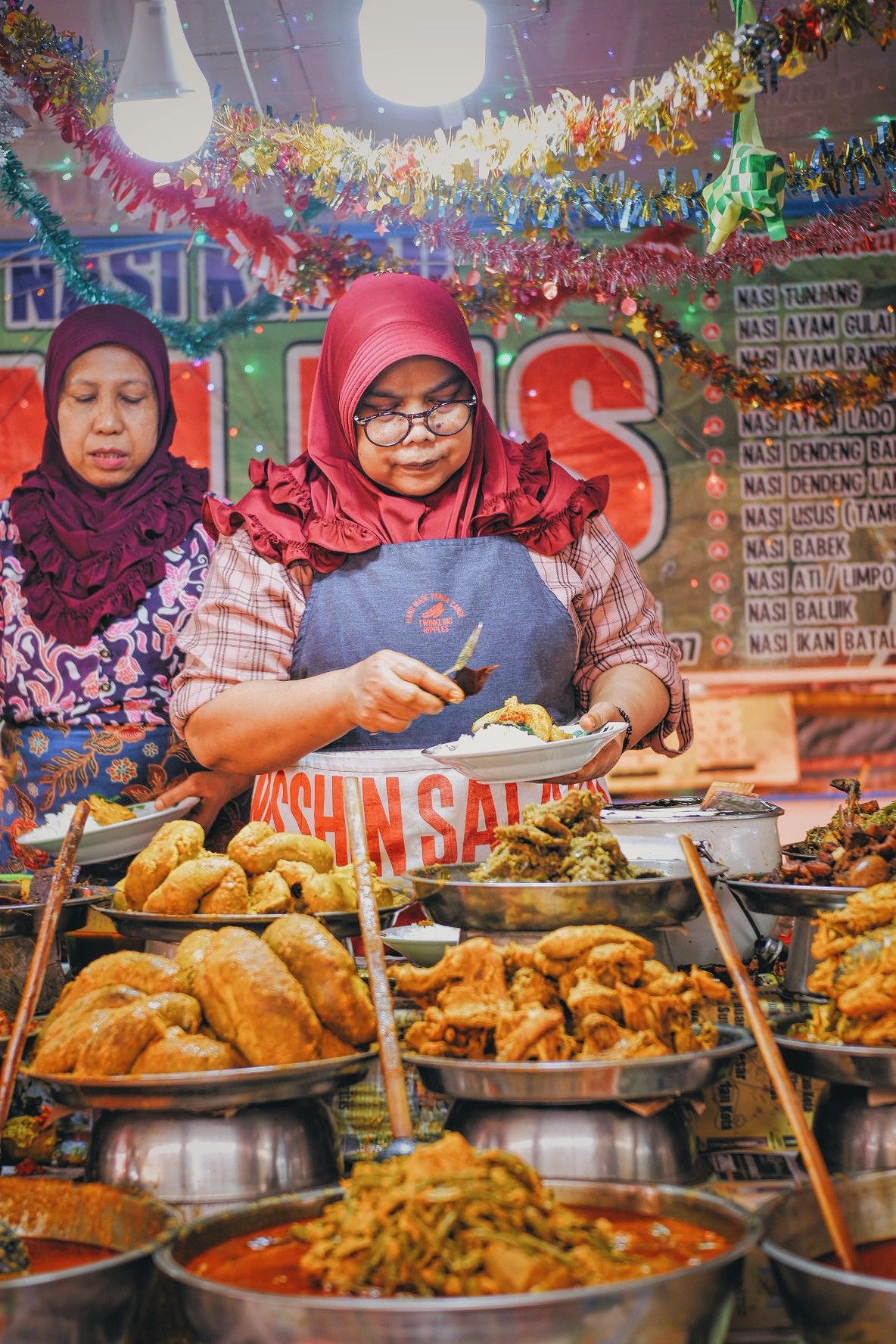
Ramadan bazaars are central to the Malaysian experience. Streets transform into food hubs selling murtabak, satay, grilled seafood, and desserts. Families walk through together, choosing what to take home for Iftar. The act of selecting the meal becomes part of the evening routine.
Turkey
In Turkey, Ramazan pidesi is baked exclusively during Ramadan. Soft, sesame-topped, and meant to be shared, it anchors the Iftar table. In some neighbourhoods, drummers still roam the streets before dawn to wake residents for Suhoor, a tradition passed down through generations.
Europe & Africa
Bosnia
In Bosnia, somun bread appears only during Ramadan. Stamped with decorative patterns and baked fresh daily, it’s served with soups and grilled meats. In cities like Sarajevo, communal Iftars at mosques remain common, bringing neighbours together at long tables.
Nigeria
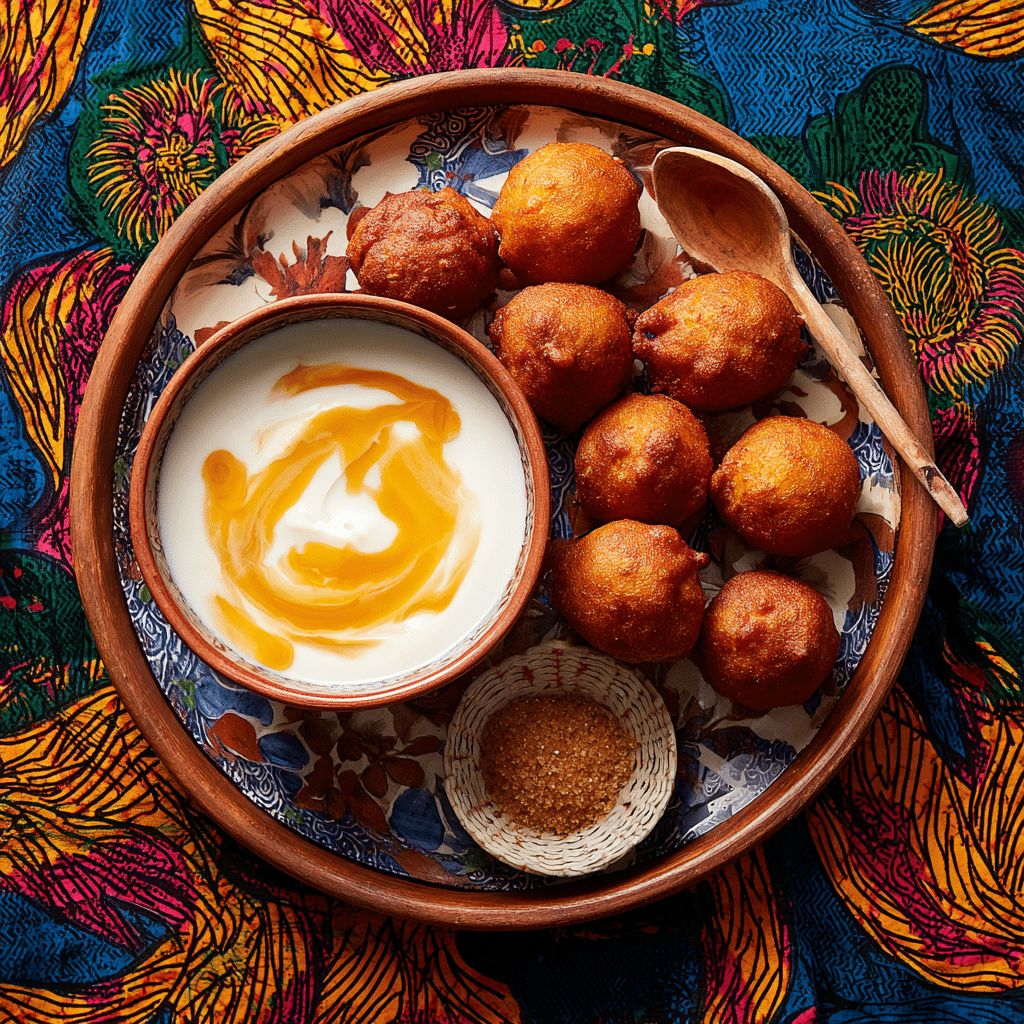
In parts of Nigeria, Iftar may include akara, crisp bean fritters, paired with pap, a smooth fermented corn pudding. Meals vary widely across regions, but fried snacks and filling staples often feature prominently after a long day of fasting.
Despite the diversity of flavours, techniques, and ingredients, Ramadan food traditions share a consistency, a surge of dishes that are rarely cooked at other times of the year.
Image credit: Pinterest

Mariam Khawer is a Dubai-based writer and PR professional whose work spans food, art, and travel across the region. When she isn’t chasing deadlines, she’s likely at a gallery opening, testing out a new restaurant, piecing together one of her mixed-media art projects or at home with her four cats, who keep her on her toes.