Lifting the curtain on the world’s finest cuppa
In Sri Lanka, tea is a little more than just a beverage.
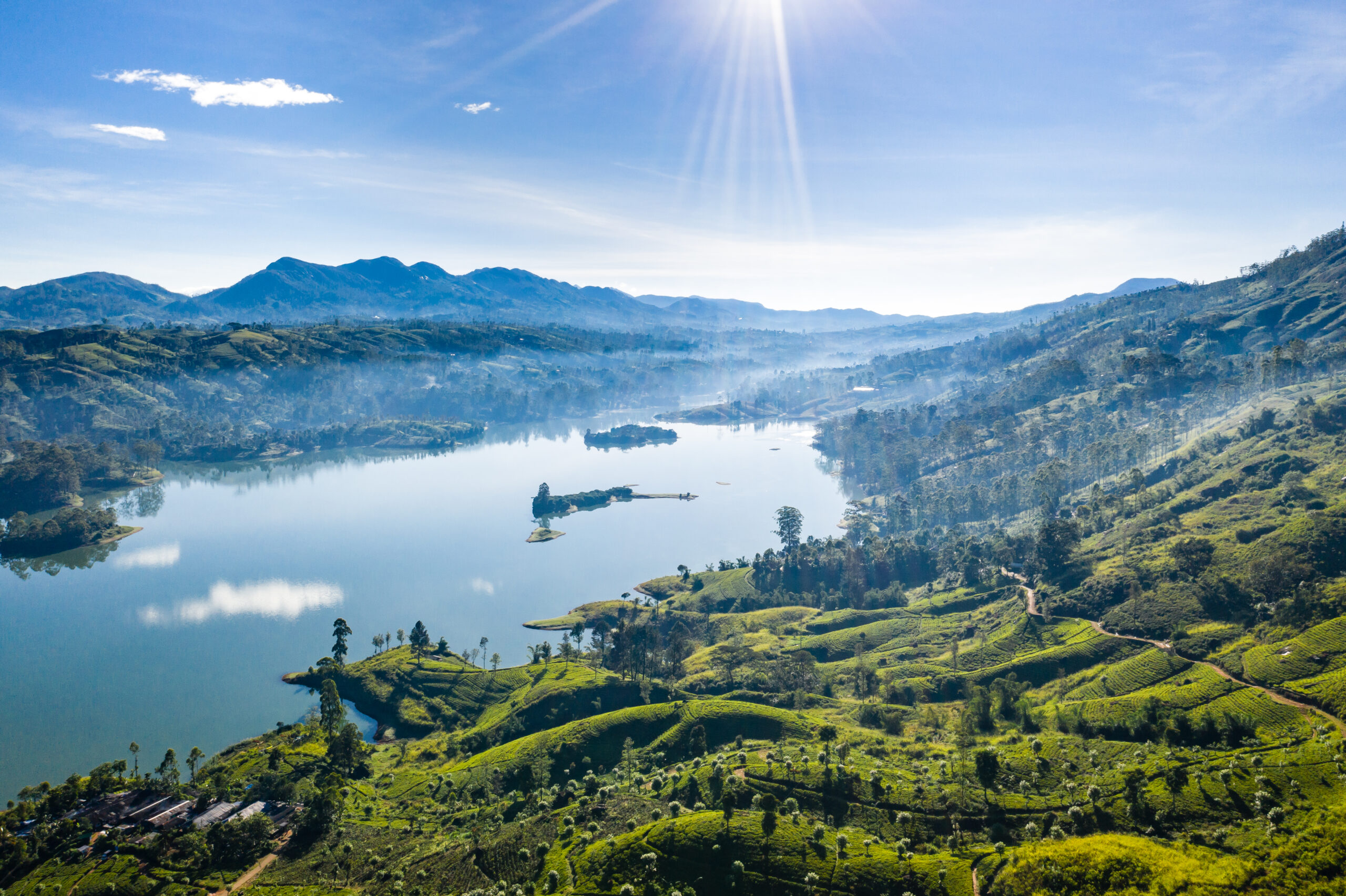
The lush, beautiful lands of this island are home to many a tea plantation, producing some of the finest, most fragrant leaves in the world, but beyond the cup, this practice is a pillar of Sri Lanka’s history, heritage and cultural identity.
Before it was Sri Lanka, it was Ceylon, and that name has stuck for more than 150 years – the island changed it’s British-bestowed name in 1972, but the older name remains synonymous with the beverage, because it were, in fact, the British who introduced the tea plant to the region, in 1857, reaching full development in 1870.
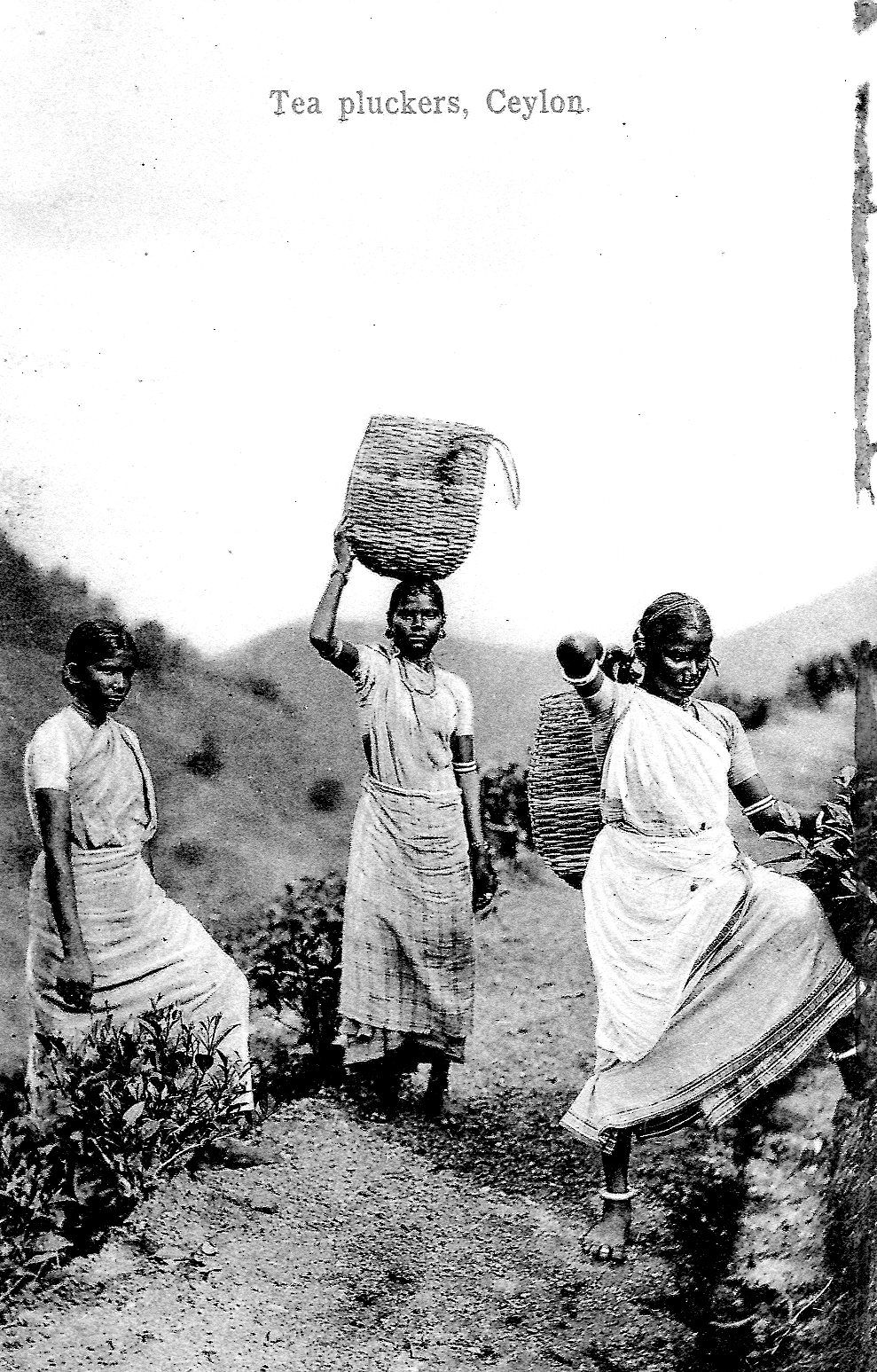
In 1869, a parasite led to the total destruction of the coffee plantations that dominated the lands, and essentially, made space for the tea plant to bloom. Today, tea is ingrained within the country’s DNA, that it known as the ‘tea island’.
Sri Lankan teas come from six regions located in the south of the island at altitudes ranging from sea level up to 2,200m. Plucking seasons vary from region to region, depending on when the monsoon is expected that year : low-grown below 600m, mid-grown between 600m and 1200m and high-grown, above 1200m.
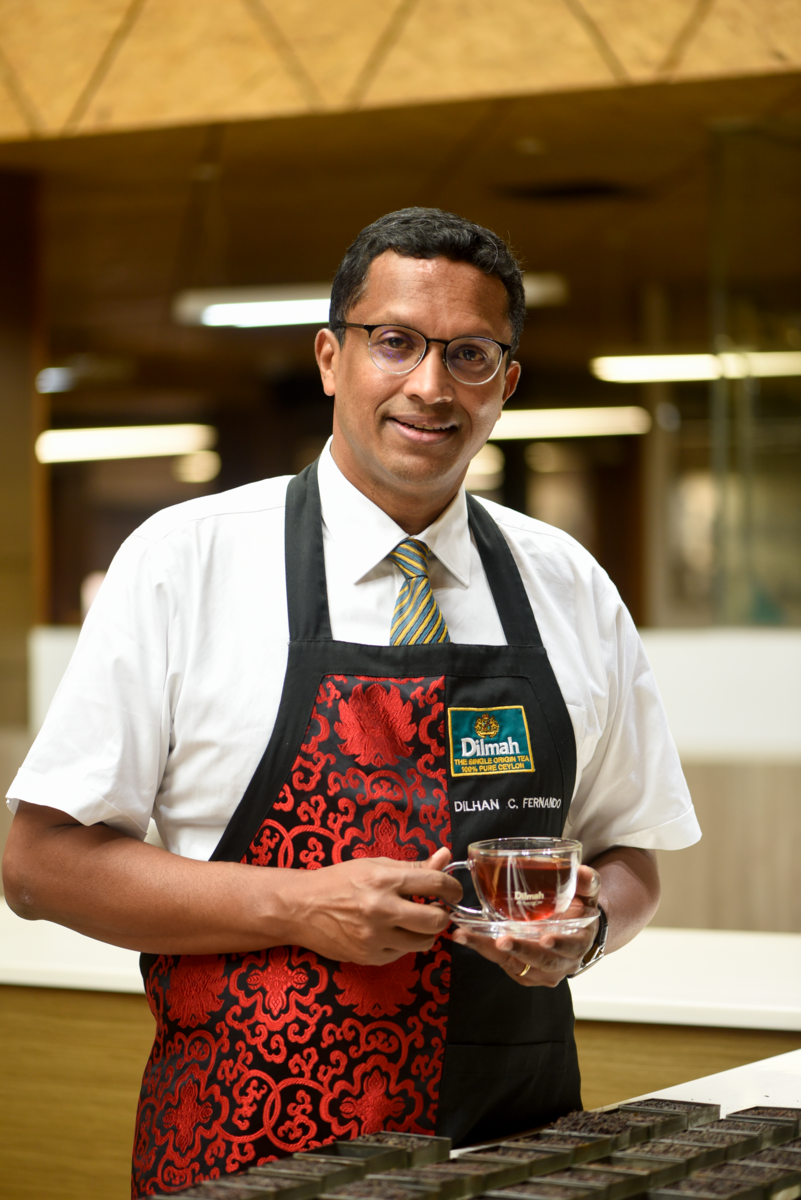
To delve further into the tea-production process, we sat down with Dilhan Fernando, CEO of Dilmah, one of Sri Lanka’s foremost tea producers to go global, to talk about all things fragrance and family history, and what it is that makes the Ceylon so special.
What is your relationship with tea cultivation like? How did you get into the business of teas?
My father – Dilmah Founder Merrill J. Fernando – was the first tea grower to offer tea grown, handpicked, ethically made at source in Sri Lanka, direct to consuming markets around the world. That was 40 years ago, when in 1985 he succeeded in the first step of his dream to offer the world a better tea.
It is important for taste and natural goodness in tea that the tea is garden fresh and hence my father’s emphasis on purity of origin, unblended and garden fresh teas. That flavour also connects to the natural antioxidant and L-theanine goodness that add wellness to the aroma and flavour of fine tea.
My father’s desire was to align his passion for tea with his belief that every business must serve humanity with kindness to people and nature. The Dilmah tea and related tea plantation, luxury tea inspired leisure and other businesses have their genesis in that philosophy and are the legacy that my brother Malik and I steward today.
Tell us a bit more about the Dilmah Windsor Forest Luxury Tea Range – how did the idea for a range like this come about?
The richness of natural biodiversity and the fingerprint of nature inspired the invitation to dream that is at the heart of our Windsor Forest luxury tea, herb and spice collection. Whenever I visit our Kahawatte tea gardens – including Windsor Forest estate – I marvel at the magnificent ecosystems there, expressed in waterfalls, cloud forests and more. It is a place that compellingly presents the combination of emotional and functional benefit in a cup of fine tea, which we captured in a luxury collection with indulgent variety in tea and herb infusions.
What about this new range makes it luxury?
What makes our Windsor Forest luxury collection so luxurious is the small batch, often rare but all unique teas and herb infusions that we have selected as well as the artistic compositions that we present. Our Ceylon Heritage Breakfast Tea as an example is a single region tea from the Dimbula Valley, offering extraordinary richness, maintaining the brisk and full bodied personality of a breakfast tea while adding the malt, fruity complexity that Ceylon teas from the Dimbula Valley are known for.
Ceylon Cinnamon Souchong similarly is gently smoked with cinnamon that we also produce on Rilhena and other Dilmah tea gardens in the mid-elevational region. It offers an unique evolution of the traditional Lapsang Souchong in that the Ceylon cinnamon that we use for smoking softens and gently sweetens the result, eliminating the tarry note that is typical of Lapsang Souchong tea.
What is the significance of tea production in the Ceylon region? What is the process like from start to finish?
Sri Lanka is where Ceylon tea is produced. The reference to Ceylon tea originates in our British colonial past, where awareness and appreciation of Ceylon tea spread across the British Empire, leading to continuing use of the name to describe teas from Sri Lanka. It is our heritage that makes Ceylon tea so unique in that we maintain a conservative approach to agriculture, honouring tradition under the guidance of our Tea Research Institute and Sri Lanka Tea Board. Both institutions supervise the industry to an extent where every kilogram of tea is traceable to its source and agricultural inputs monitored to ensure quality, ethics and sustainability.
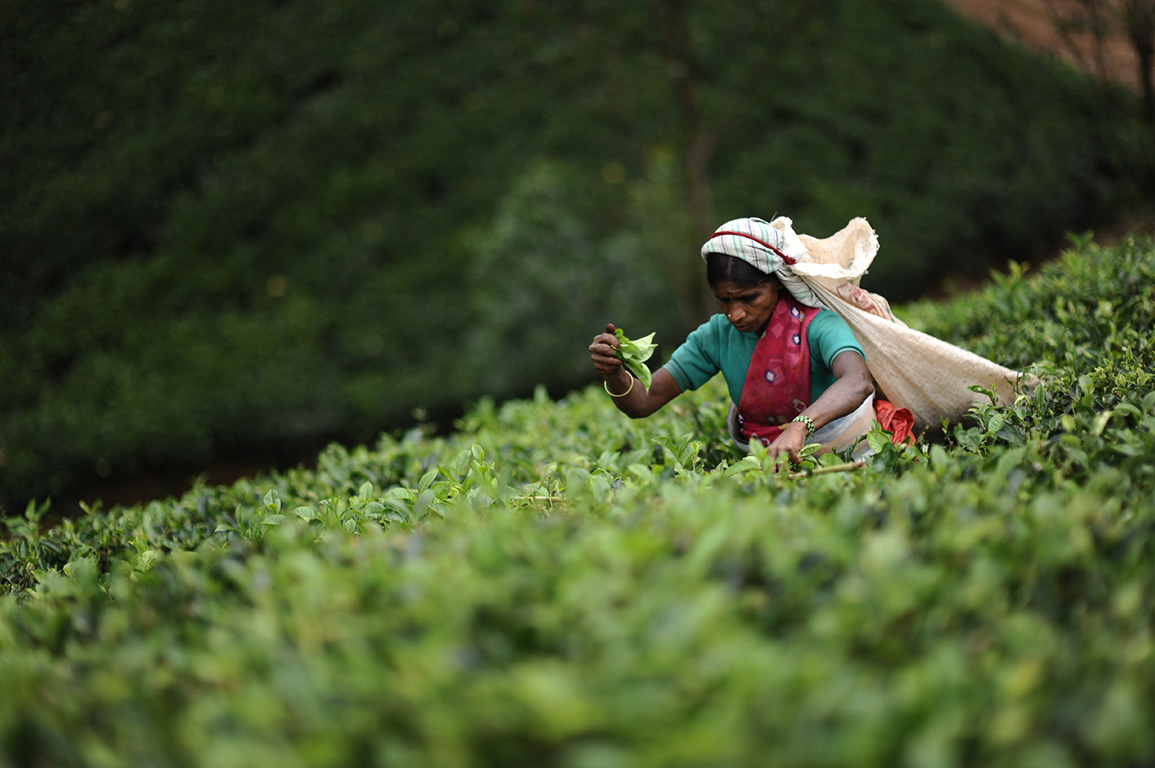
In Sri Lanka, we also honour the traditional, orthodox style of manufacture. This begins with handpicking of two leaves and a bud, continuing through withering to reduce moisture, rolling to begin the process of oxidation by breaking down cell walls and allowing the interaction of the sap within the tea leaves and bud. Once rolling is complete, to make Ceylon black tea, we oxidize the tea on porcelain covered beds and at a certain point a tea maker noses the tea and when oxidation is complete, firing begins. The tea is then sifted into different grades (or sizes) and the process complete.
What makes tea production in Ceylon different from other tea-producing regions in the world?
Sri Lanka and India once produced some of the world’s finest teas, made in the traditional, orthodox manner by people whose love for tea was echoed in the quality of their product. Unfortunately, the global tea industry has become corroded by the discount culture that has driven too many tea growers to the industrial CTC method and to producing tea for a price. The popularity of tea is partly this reason although unfortunately, regardless of whether discount culture or demand, the compromise in quality and the elegance of the fingerprint of nature that results from respect for sunshine, wind, rainfall and soils in making tea in the traditional manner is difficult for tea makers to comprehend.
This generational passion that my family has for tea is at the heart of our Dilmah brand; each tea or infusion is framed in the natural goodness of high quality, all natural ingredients with pure origin teas complemented by complex but harmonized combinations of tea, herb and spice. The critical context of this is the art of tea making complemented by the respect for tradition and nature as a component of that artisanal manufacture.
Image credit: Supplied
Deeply passionate about food, culture and community, Manaal loves telling extraordinary stories of ordinary people. Besides sniffing out a tale to tell, her favourite things to do include binging true crime documentaries, chasing cats on the streets and curating a good outfit.