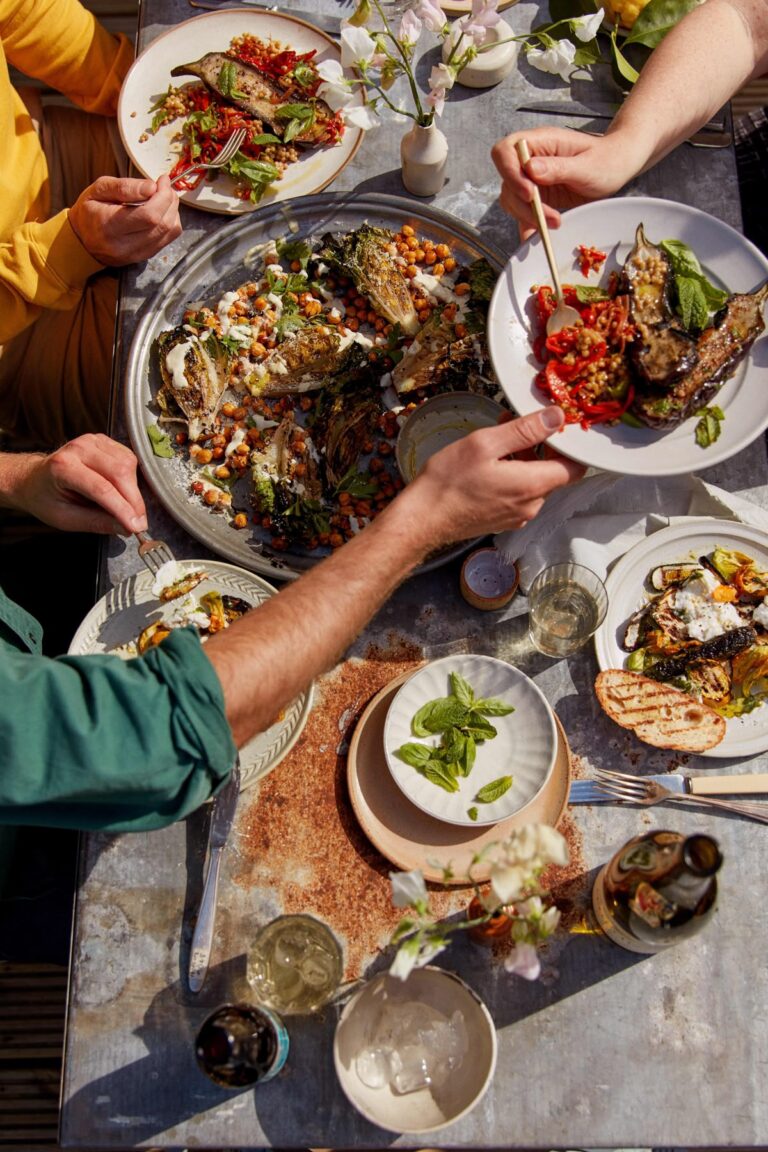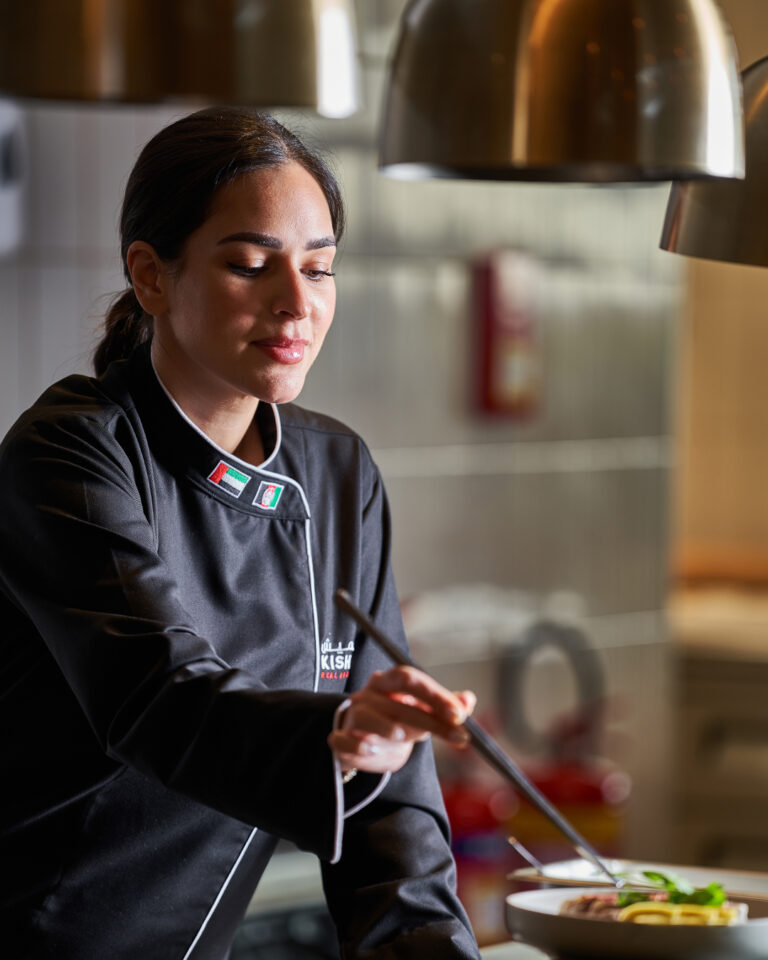
It’s less about food than you think
What is the real essence of Ramadan? Is it staying hungry? Discovering spirituality? Hosting lavish parties? Cooking enormous amounts of food?
Everyone has a different perception of what the Holy month stands for, but the truth is that it’s not about but also a little about all of these things. It isn’t a singular concept, but at the core of it lies one act – sharing. For this is a time for empathy, community and togetherness, propelled by the realisations we develop from hunger and thirst. We forget to count our blessings, and what better time than now.
It’s easy to lose sight of all this, especially at tumultuous, uncertain times like this, when humanity seems to be shrinking, and so we sat down with Chef Naved Nasir of Khadak to understand what really matters this month – and at the end of the day, every month of every year.
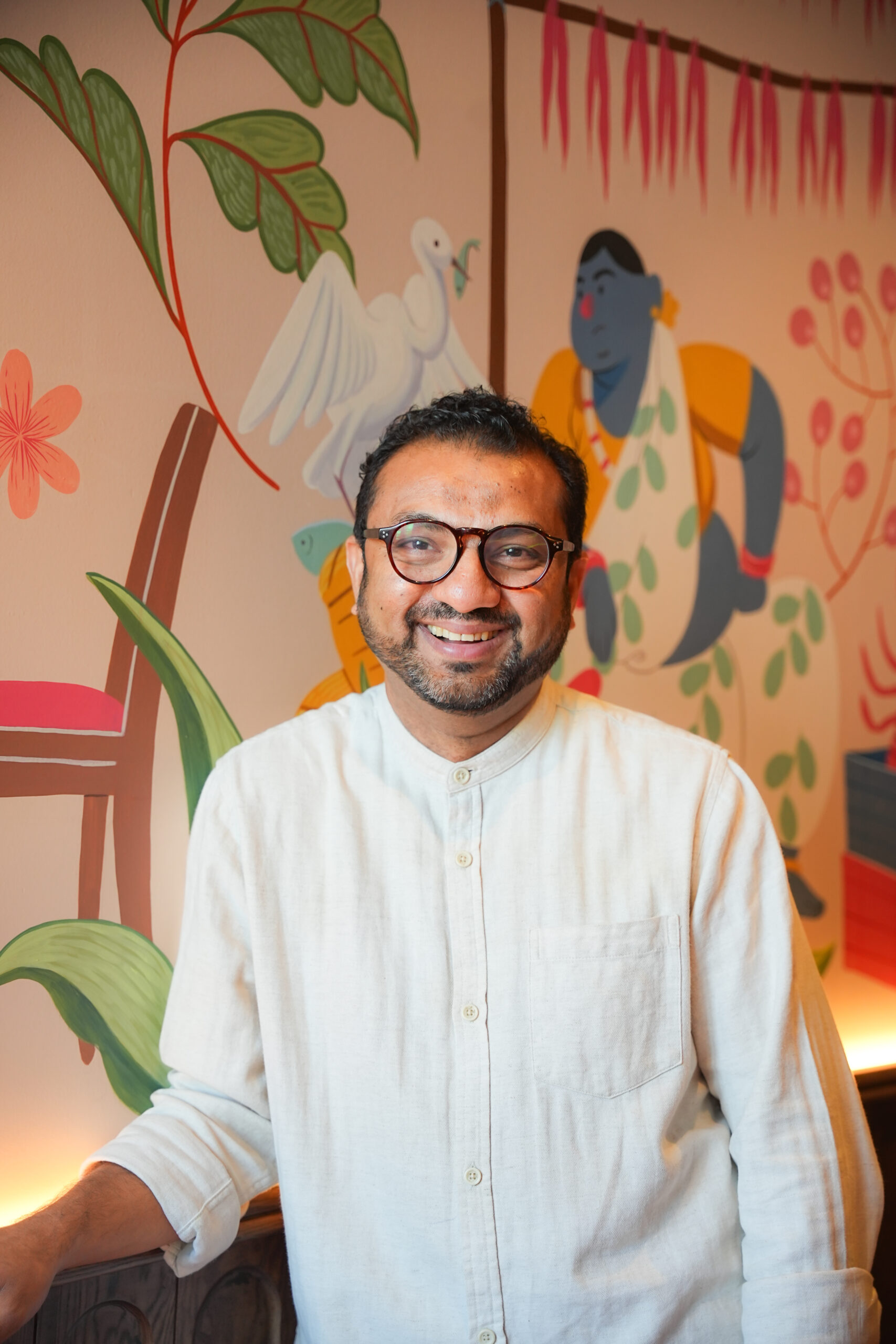
For those who are unaware, what is the purpose of fasting in Ramadan and the iftar meal?
During Ramadan, fasting from dawn to sunset is a spiritual practice rooted in reflection, discipline, and empathy. It encourages people to pause from daily habits and become more mindful of gratitude, patience, and compassion. It’s a month of resetting – physically, mentally, and spiritually and stepping away from excess and reconnecting with what truly matters. The iftar meal, which breaks the fast at sunset, is less about indulgence and more about togetherness. A moment when families, friends, and communities gather to reconnect, share food, and acknowledge the day’s spiritual effort
What are some of the common wider misconceptions surrounding food in Ramadan?
One common misconception is that Ramadan revolves around extravagant meals. In reality, the spirit of the month encourages moderation, humility, and gratitude. Traditionally, iftar meals were simple and nourishing, often beginning with dates and water, followed by a modest spread. Another misconception is that food becomes the centrepiece of Ramadan, when in fact the focus is meant to be on reflection, generosity, and community, with food simply acting as a means to bring people together.
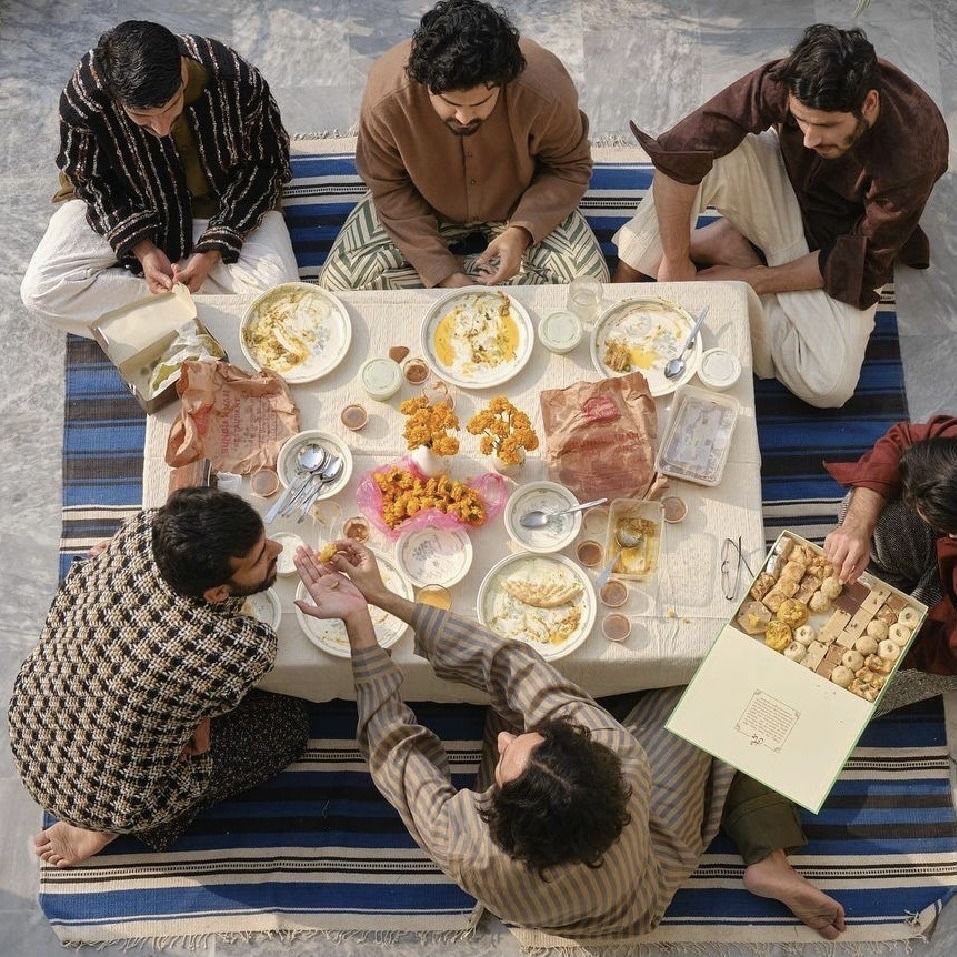
How does food act as a medium of togetherness around the iftar table? How can we use it to unite the community while also decentralising its importance?
Food at iftar is the ritual that brings people together. It’s the moment everyone sits down together, shares the same pause, and reconnects after a day of fasting. Breaking bread creates a sense of unity, intimacy, and equality. But the real value lies in the conversations, stories, and relationships formed around that table. When food is treated as the facilitator rather than the centrepiece, the focus shifts from what’s on the table to who’s at the table. Keeping the meal simple often makes the gathering itself more meaningful, placing the emphasis on the quality of connection over the quality of the spread.
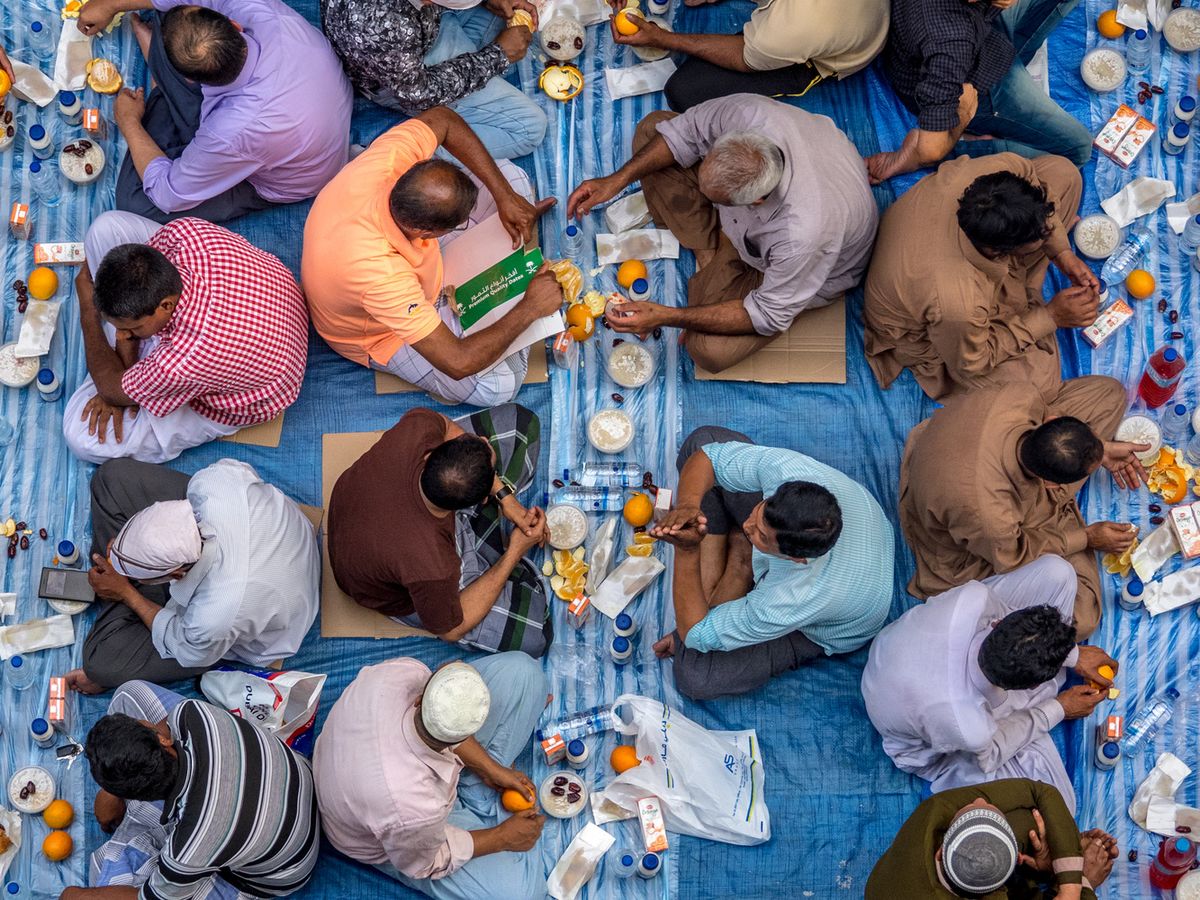
Dubai has entered a highly commercial phase of Ramadan celebrations – a phase that could take away focus from what’s important this month. Can you comment on this?
As Dubai has grown into a global hospitality hub, Ramadan has naturally become part of the city’s dining and cultural landscape. While this has created beautiful opportunities for people from different backgrounds to experience the month, it can sometimes shift the focus toward spectacle rather than meaning.
There’s very little education around why Ramadan matters or what the values behind it are. It’s treated like a festive season rather than a spiritual one. Food waste during Ramadan is particularly painful because the fast is meant to remind us of scarcity and gratitude, not abundance and disposal.
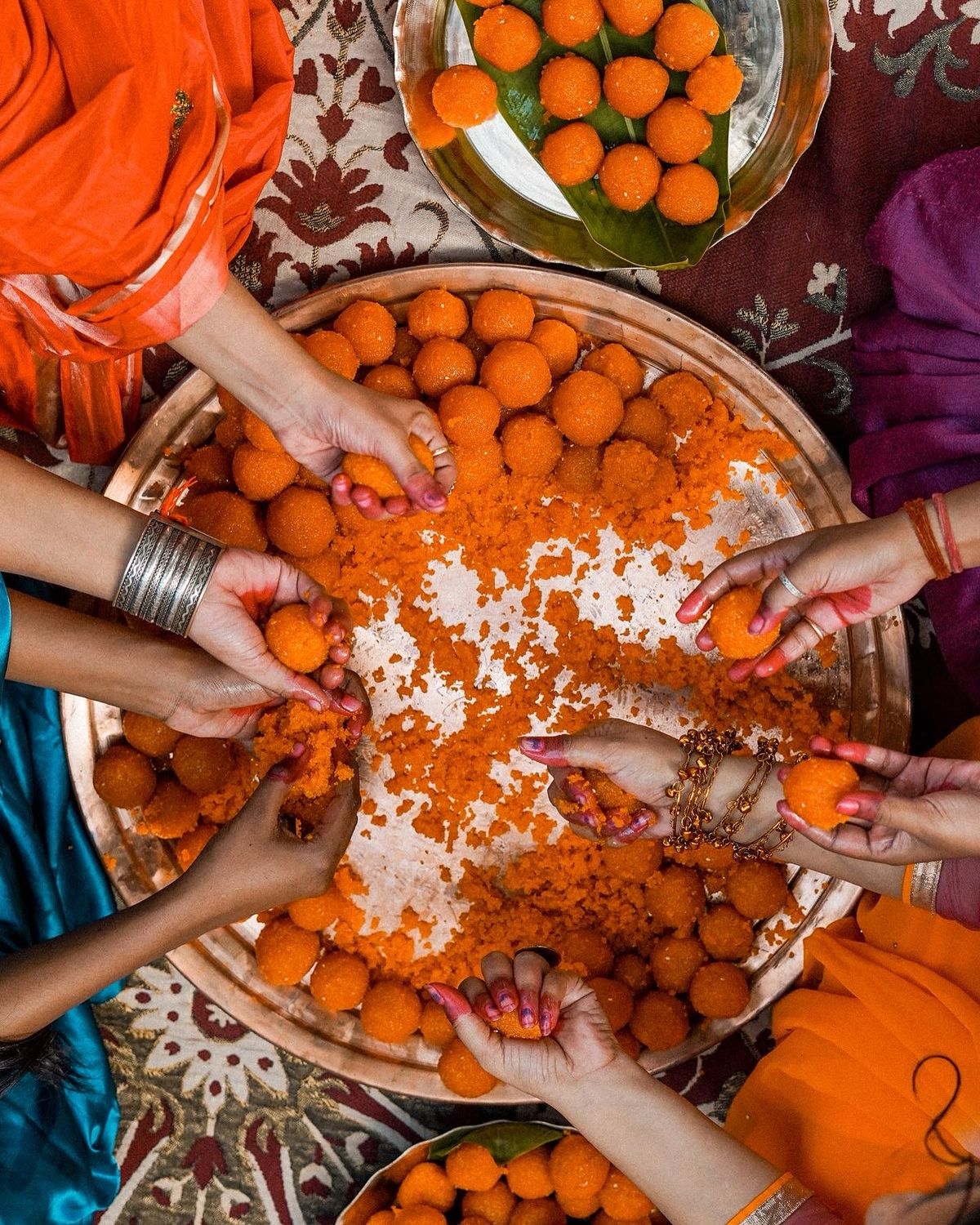
How are you making Ramadan at Khadak more meaningful for diners and yourself?
At Khadak, we chose to keep a set menu rather than a buffet, as it allows us to be more intentional about what we serve and how the meal unfolds. During Ramadan, that intention becomes even more important.
One dish that truly reflects this is our Hyderabadi Goat Haleem. Long before it reached Indian kitchens, it began as Harees in ancient Persia, a slow-cooked stew of crushed wheat and meat, built for endurance and nourishment. As it travelled across regions and eventually found its most defining chapter in Hyderabad, it evolved into something richer and deeply rooted in culture. Over time, it became inseparable from Ramadan, a dish meant to restore strength after a day of fasting.
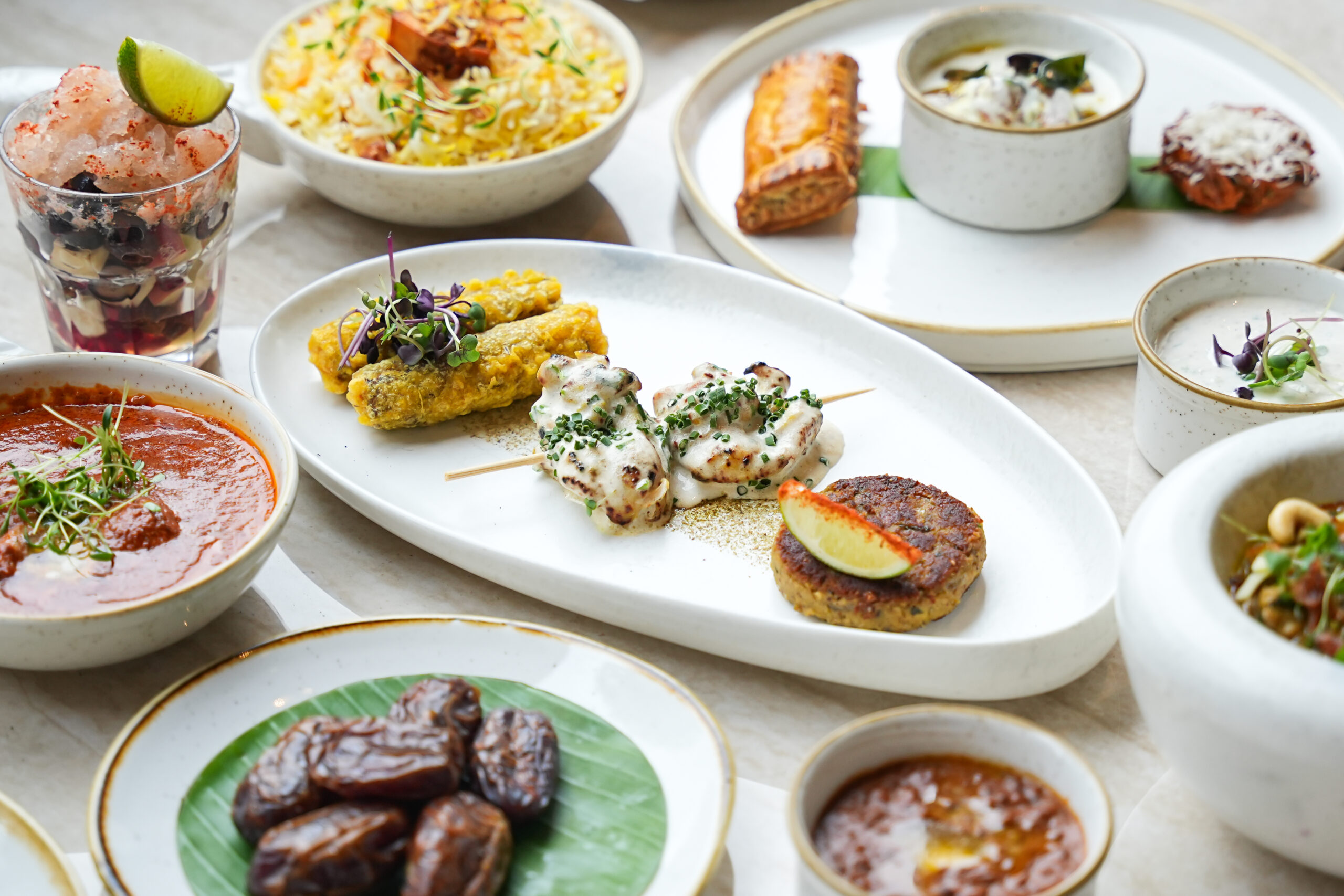
For us, serving Haleem is not about indulgence but about honouring that tradition. It’s a dish that carries protein, grains, lentils, and depth of flavour, everything the body needs to replenish itself. By focusing on traditional dishes like this and keeping portions mindful, we emphasise respect for the value of food, ensuring the experience feels thoughtful, grounded, and aligned with the true spirit of the month.
How can people in Dubai make Ramadan more meaningful for themselves and those around them?
Meaningful experiences during Ramadan often come from small, intentional acts such as sharing meals, inviting someone who may be alone or far from family, supporting community initiatives, or simply being more mindful of consumption and waste. Educate those around you about the spirit of the month, volunteer your time, donate to those in need, or support initiatives that give back to the community. And perhaps most importantly, disconnect from the commercial noise and reconnect with the values that Ramadan truly stands for.
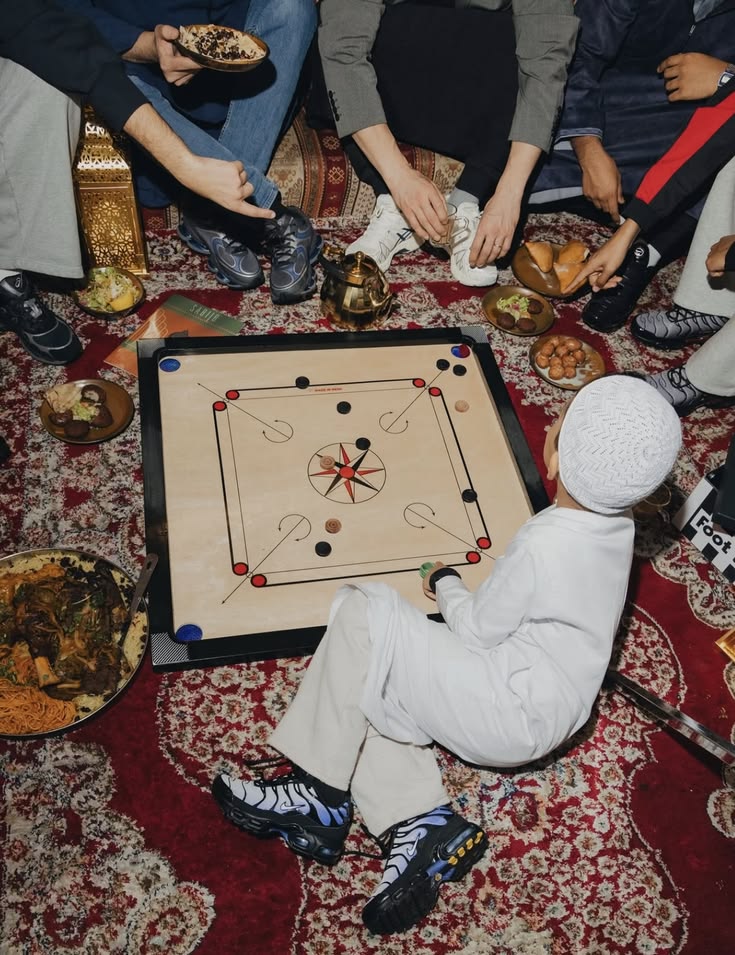
Image credit: Supplied/Pinterest
Deeply passionate about food, culture and community, Manaal loves telling extraordinary stories of ordinary people. Besides sniffing out a tale to tell, her favourite things to do include binging true crime documentaries, chasing cats on the streets and curating a good outfit.