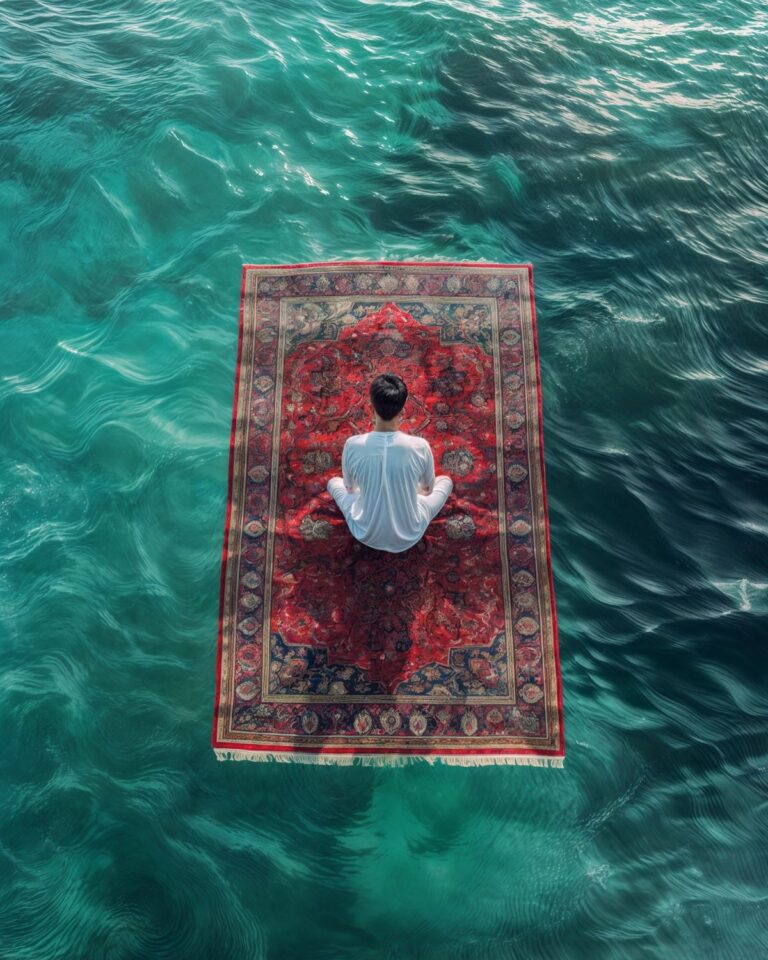
Bring that mirror closer
Ramadan is just over halfway through. The initial adjustment has settled, the caffeine withdrawals have softened, and the altered rhythm of the month feels almost familiar. What once felt disruptive now feels revealing.
Ramadan doesn’t just change when we eat or don’t eat. It changes how we move through the world. Meetings shorten, traffic eases, social calendars shift to later hours, and there’s less social obligation. Ambition even feels slightly quieter. For a few weeks, life moves at a different pace – whether we plan for it or not
And when the world slows, something else speeds up: awareness.
For those used to constant motion, that shift can feel deeply uncomfortable. In fast-paced cities, like Dubai, productivity is often worn like a badge of honor. We move quickly, consume constantly, and measure our days in output. But often that speed becomes a buffer – from boredom, from discomfort, from ourselves.
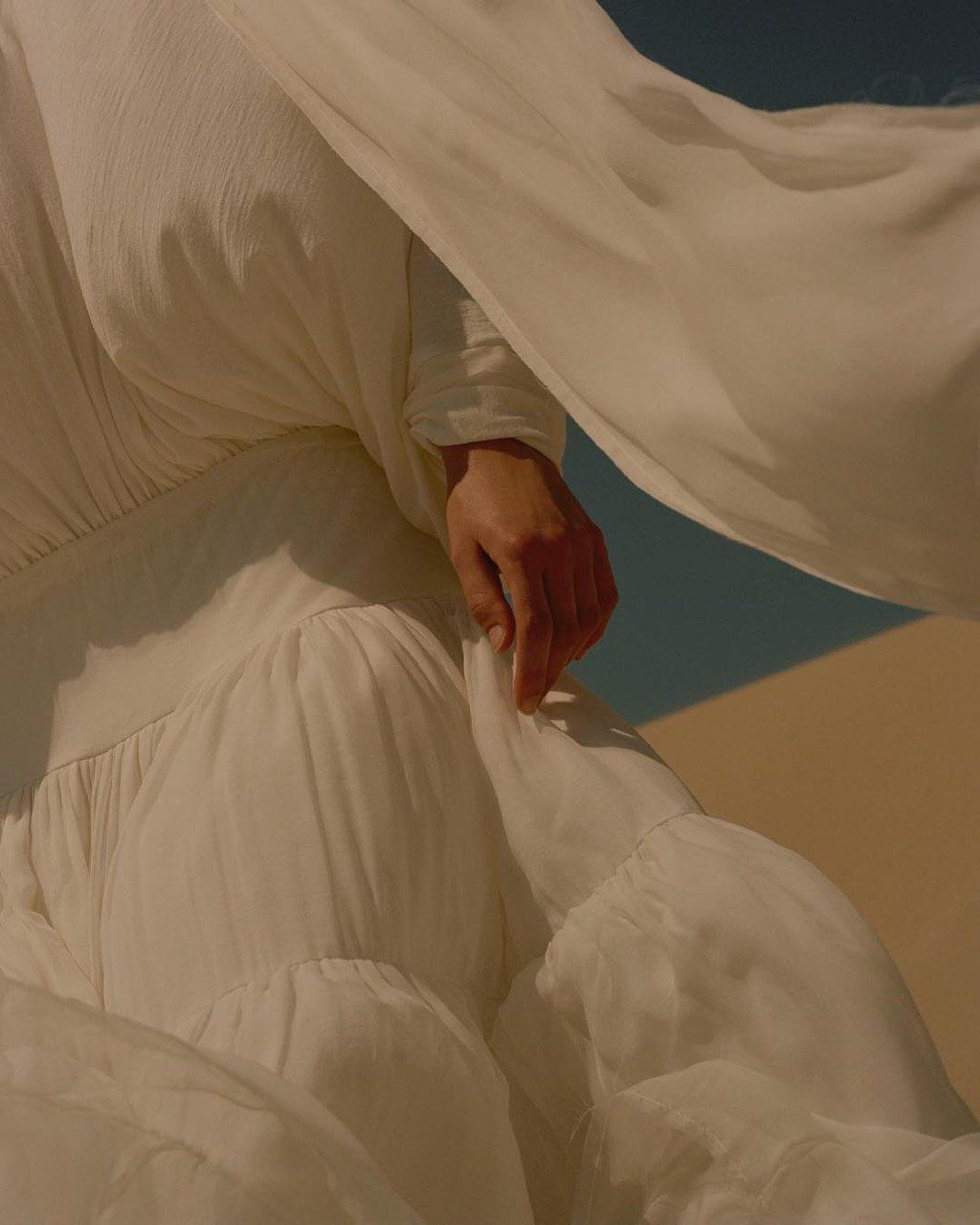
Ramadan removes many of those buffers at once. No daytime eating. No casual coffee breaks. No mindless snacking to soften stress or fill emotional gaps. The usual comforts are paused. And what’s left, and replaces them doesn’t always look like calm.
“When things slow down, there’s simply more space. And with that space comes awareness. Thoughts feel louder. Emotions feel closer. Busyness often keeps us buffered from that,” explains Dr. Ishfaq Vaja, Program Director of Applied Behavioral Science at Heriott-Watt Dubai.
That awareness can feel unsettling at first. Irritability. Restlessness. A low hum of fatigue. Emotional sensitivity that seems sharper than usual. But these reactions aren’t signs of “doing Ramadan wrong”. They are, in many cases, the natural result of having fewer distractions.
“Hunger and fatigue don’t create new emotions; they amplify what’s already there. Without the usual coping tools, people are faced more directly with their baseline emotional patterns,” he says.
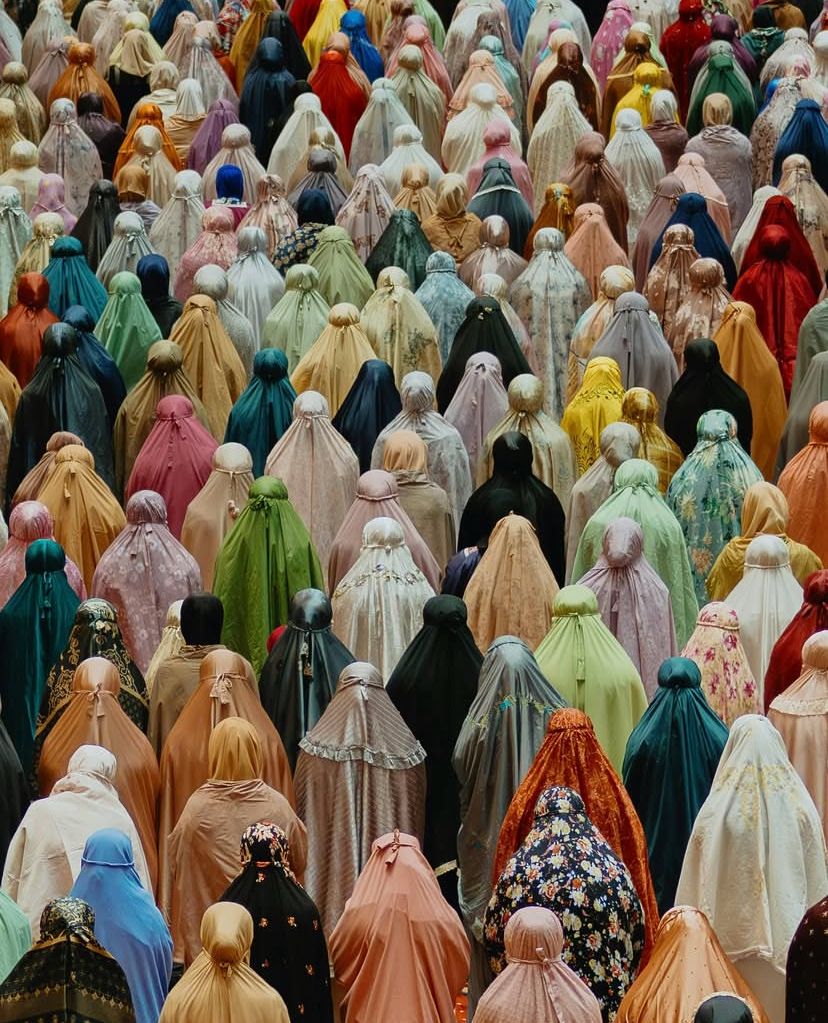
In other words, Ramadan doesn’t invent discomfort, it reveals it.
This can clash with the romanticized image of the month as a seamless period of serenity and spiritual highs. There is often a quiet pressure to feel peaceful, centered, and transformed. When that doesn’t happen, when the month feels heavy instead of uplifting, guilt can start to creep in.
Struggling emotionally during Ramadan doesn’t signal failure. It signals humanity.
The slowdown can also challenge something deeper, particularly in environments where achievement defines identity. When output dips and energy fluctuates, anxiety about “falling behind” isn’t uncommon. In high-performing societies, a softer pace can feel like a loss of control.
“In environments where productivity is closely linked to self-worth, Ramadan can feel disruptive,” Dr. Vaja notes. “Ramadan quietly challenges the belief that value is measured by visible achievement. It expands the definition of worth beyond productivity alone.”
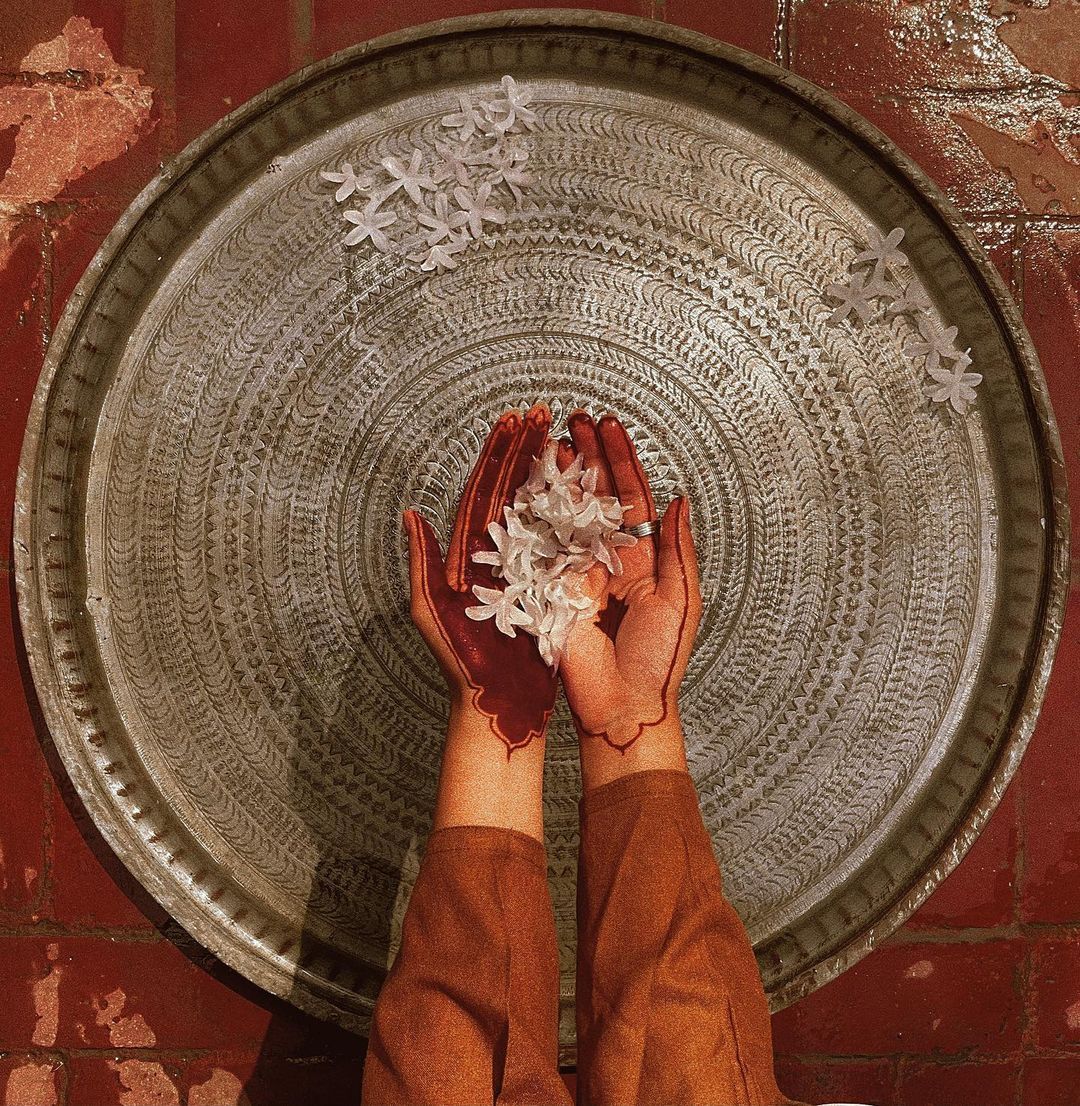
That expansion can feel destabilizing but also liberating. If worth isn’t tied solely to output, what else defines it? Patience. Intention. Generosity. Restraint. Qualities that don’t always show up on a calendar invite or during that performance review.
As the month draws closer to its end, perhaps the most meaningful takeaway isn’t optimization or transformation. It’s clarity.
Clarity about how we cope. About how quickly we rush to fill silence. About how tightly we attach our value to motion.
From a mental health perspective, “doing Ramadan well” doesn’t look like perfection or constant spiritual elevation. “It looks like noticing when you’re tired and adjusting your expectations. Catching yourself when you’re irritable and choosing to soften. Becoming more aware of your patterns without being harsh with yourself,” he explains.
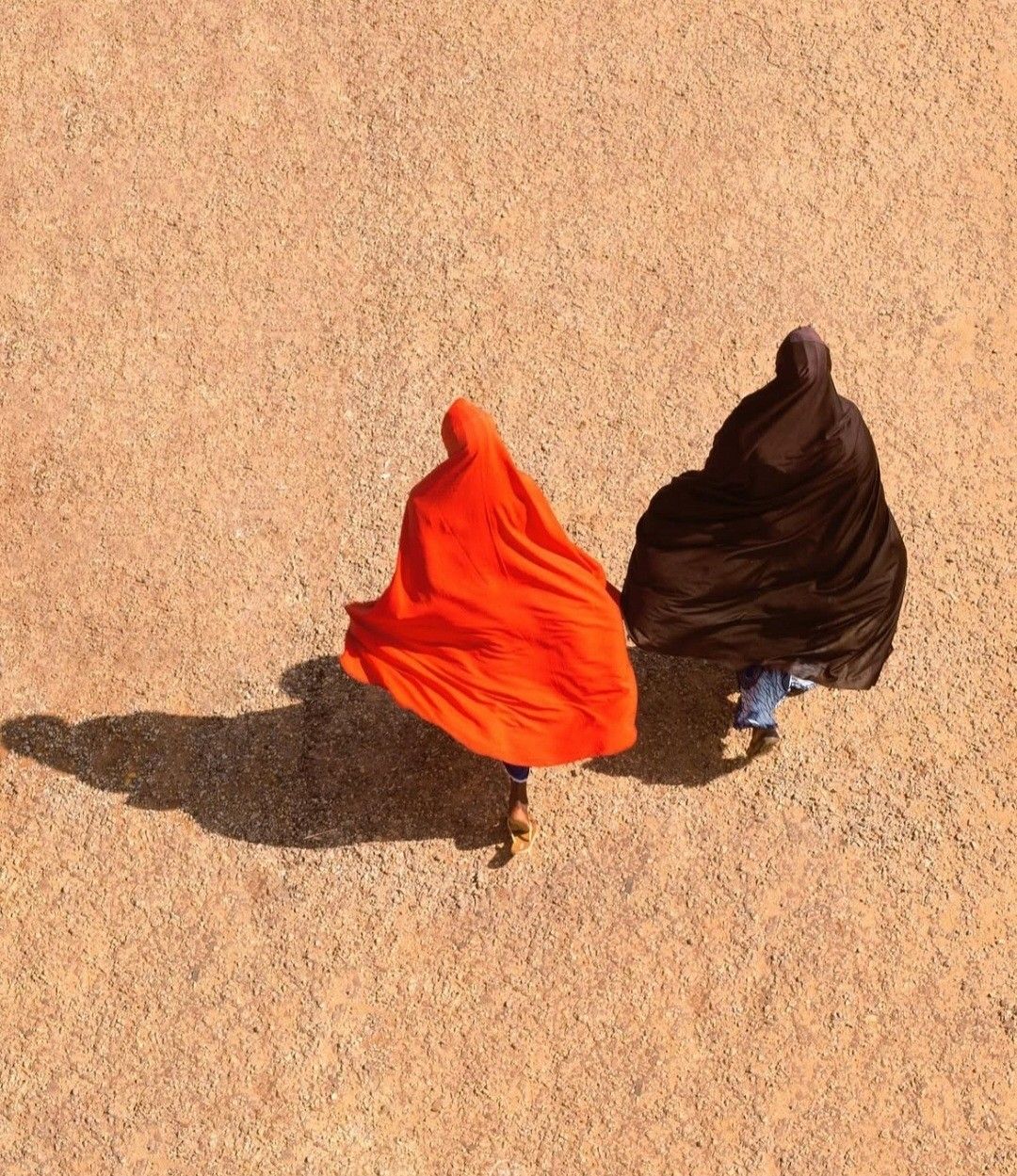
Ramadan slows us down just enough to see ourselves more clearly. And that clarity, even though it’s uncomfortable, can be a quiet kind of growth.
Mental wellness during Ramadan isn’t about just feeling better. It’s about feeling honestly, without guilt, without comparison, and without the pressure to turn every moment of struggle into something productive.
As the pace of the city prepares to pick up again, perhaps the real question isn’t whether we made the most of the month. It’s whether, for a few weeks at least, we allowed ourselves to sit with what surfaced when the noise faded.
Image credit: Pinterest

Never afraid of an em-dash or trying new places across the world. Shelby thrives on sharing her favourite restaurants, cafes and hole in the walls. If she’s not eating out she’s at home trialing new recipes in her kitchen while binging series.