Dissecting a new facet of dining in the Kingdom
The recent introduction of the Kingdom of Saudi Arabia into the annals of MICEHLIN, alongside success with the recent LIST Magazine Fine Dining Awards is showing signs of maturity in a highly competitive MENA market. Fine dining in the Kingdom is a fairly new concept to contend with, but one oozing undeniable potential – lying not in imported concepts, but staying true to the taste of home.
There are parallels with recent developments of F+B in both the UAE, and Qatar. Saudi – and Middle Eastern – cuisine is often steeped in nostalgia, and ambition has been held back by the rules and tribulations of ‘authenticity’. Only when those shackles are cast away does creativity and innovation drive the industry.
I love this stage of Saudi’s journey. The inherent passage of regional recipes – jareesh, Al-qursan, saleeg, and kabsa – integrated into modern techniques and styles shines light on Saudi pride and heritage intertwined with global ambition.
View this post on Instagram
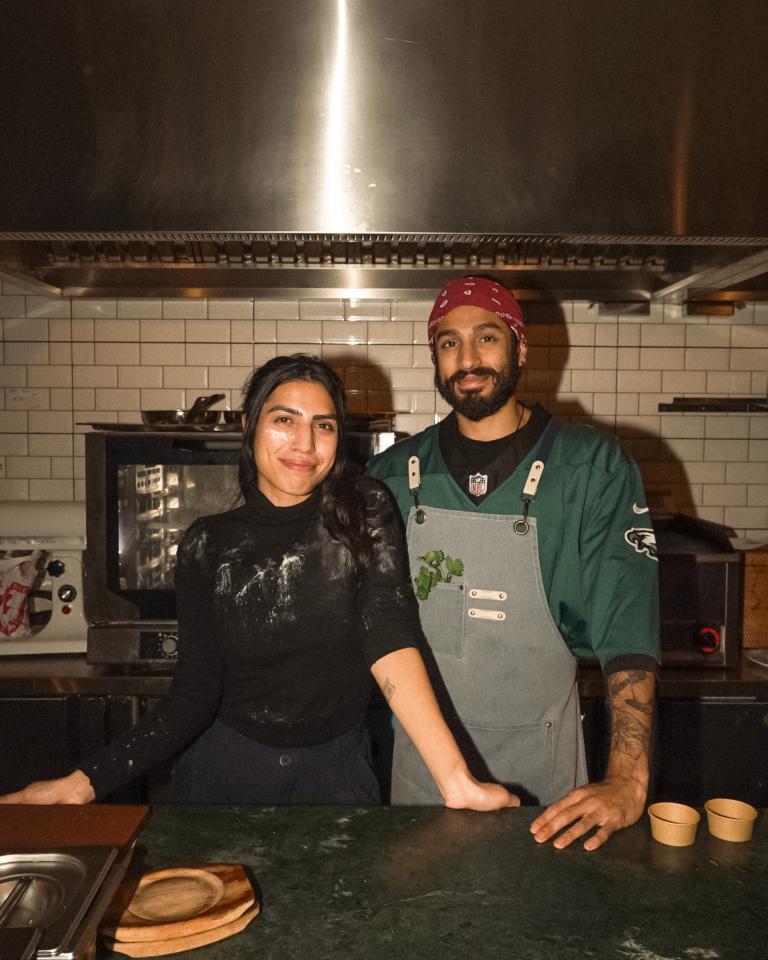
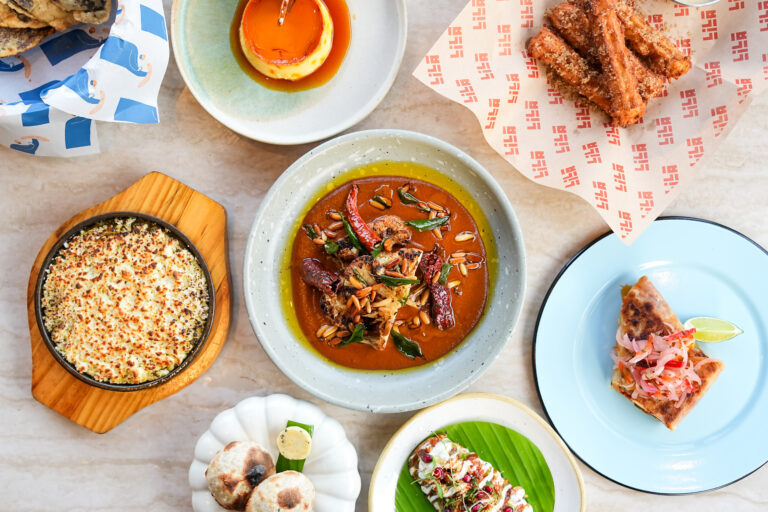
We see this brilliantly through the eyes of Takya, founder Hadeel Al Motawa and Executive Chef Mohammad Quraish. Hadeel travelled the Kingdom far-and-wide, exploring recipes and ideas. The much-acclaimed Shrimp Muflag is elevated through the medium of paella, effortlessly combining history and luxury.
The 2026 KSA MICHELIN Guide contains 51 restaurants across Riyadh, Jeddah, and AlUla. Featuring 11 Bib Gourmand and 40 ‘Selected’ venues, there are no stars yet, but plenty of experience lies behind those in contention.
Executive Head Chef at Saudi-born Myazú, Barry Andrews leads his team towards high-end, contemporary Asian cuisine – a regular feature of most award lists – using authentic Asian techniques alongside Saudi Arabian (and MENA) influences. Myazú represents a brand of KSA-food that is well-positioned to reach for the stars, so to speak. It seems like embracing the local culture alongside well-established techniques is key to smashing the current glass ceiling.
View this post on Instagram
Another Diriyah resident – Diriyah being the cultural hotspot of Saudi legacy – is Aseeb. Aseeb is the modern representative of Najdi hospitality, with grand and generous roots underpinning their philosophy. The success of Aseeb draws a parallel with the success of Dubai’s storied supper clubs – think Kinoya and Girl and the Goose. Notable, as captains of the ship and husband-and-wife duo Abu and Umm Saud have transformed their home cooking into the full restaurant experience.
One of my favourite stories belongs to Marble. Marble is home to my favourite Saudi burger, in a land where the burger prevails throughout every neighbourhood. Self-taught Head Chef Abdulrahman Alsowailem uses high-quality cuts of meat, cooked over fire to be firmly placed in the top 15 of MENA’s 50 Best for two years running. Chef Abdulrahman, a former pilot, created Marble on the back of too many bland meals, and is certainly reaching for the sky (and the stars).
View this post on Instagram
What about the big hitters alongside the local influences? La Petite Maison Riyadh has welcomed Saudi Chef Mona Mosly for an Iftar residency, with Chef Mona bringing her expertise and flavours to accompany the epic dishes of the French favourite. The imperious LPM Ribeye is marinated in Shawarma Spices and served alongside Broad Beans Fatteh.
What really drew me in for a 5th visit in as many weeks is Chef Mona aligning her signature Date Cake with the famous LPM Cheesecake. I would usually say that the cheesecake belongs on a mighty pedestal of its own, but Chef Mona is more than up to the task – it’s another clear sign of Saudi cuisine living comfortably among worldwide excellence.
View this post on Instagram
What stands in the way of Saudi Arabia and wider recognition? The same as Dubai 10 years ago; finding elevated levels of hospitality and service. Although MICHELIN ‘do not formally judge service’, it must be acknowledged that without great service, the magic of the kitchen cannot be delivered at its’ optimum.
Saudi hospitality is fabulous. However, it needs to align with the standards set by worldwide behemoths like Dinner by Heston, Row on 45 and most recently, FZN. The uptick in Dubai service standards was elevated by these global giants, who shared their methods and principles to the local region. You can see influence – both culinary and service – from these places in Moonrise, Manāo, Orfali Bros, and so forth.
View this post on Instagram
F+B is an ecosystem and it does not survive without the apex predators, nor does it survive without the phytoplankton at the bottom of the ocean (quite literally, in Grégoire Berger’s menus). The MICHELIN Service Award for 2026 was awarded to Yaza (Jeddah) for their hospitality. It must be noted that this was well-demonstrated through traditional Arabic coffee and typically attentive service.
The hot Saudi favourite right now is Kuuru, which does not embrace the culinary background of the country quite like some others. Kuuru does show that there are multiple routes to regional and global recognition. Its presence on multiple lists and awards demonstrates that the market is maturing nicely, and that being more focused on modern cuisine is not a barrier to success.
View this post on Instagram
What lies ahead for Saudi? We will see more Saudi concepts where outsiders are invited in to learn about Saudi cuisine; more Saudi talent will step forward as we see with the chefs, but we need the service side to step up to the plate. The regionality of the Kingdom will shine. So, instead of ‘Saudi food’, we will see Najdi, Hejazi, Asiri specialties. One thing is for sure, if you want to challenge yourself in an exciting, up-and-coming industry, F+B in Saudi Arabia is a great place to be.
Image credit: @takya_sa on Instagram

With over two decades of experience in food writing and hospitality consultancy, Matthew has chronicled the evolution of the Middle East’s dining scene for international titles and regional platforms alike. A Key Opinion Leader and occasional judge, as well as the founder of APEX Mystery Shoppers, he brings a unique perspective shaped by thousands of restaurant visits across Europe and the GCC.