Become the strongest version of yourself
As January rolls around, the familiar urge to ‘reset’ kicks in. Gym memberships spike, meal plans tighten, and discipline becomes the buzzword of the month. But according to fitness coach and nutrition expert Poppy Hawe, this approach is exactly why most New Year health goals don’t last past February.
“The biggest mistake people make in January is trying to undo December,” she explains. “Instead of supporting their body through the aftermath of a busy, indulgent period, they punish it.”
The result? Cutting calories, piling on workouts, and chasing intensity while already under-recovered, under-fuelled and mentally drained.
For 2026, the conversation around wellness is shifting — and for good reason. Health, Poppy says, doesn’t come from doing more. It comes from doing the right things consistently.

Fuel First, Fix Later
One of the most important changes taking place in nutrition right now is a renewed focus on energy availability, particularly for women. Rather than chasing weight loss at all costs, there’s growing awareness around eating enough to train well, recover properly and support hormones.
“This year, performance-led fuelling and anti-inflammatory, whole-food-based eating are the conversations worth paying attention to,” Poppy says. “There’s finally more understanding that eating enough is essential — not optional — if you want energy, resilience and long-term health.”
What should be left behind in 2026? Diets that demonise food groups, detox teas, ultra-low-carb plans and any promise of “hormone balance” through restriction. These approaches, she warns, continue to do more harm than good, particularly for active women who already push themselves hard.

Consistency Over Control
Burnout doesn’t come from a lack of willpower — it comes from unrealistic expectations. Poppy sees many clients stuck in cycles of restriction followed by overeating, driven by guilt and the need for control.
“The shift needs to be from asking, ‘How little can I eat?’ to ‘What helps me feel energised, satisfied and stable?’” she says.
Building better eating habits doesn’t require perfection. It looks like prioritising protein at meals, eating regularly even when appetite is low, and planning ahead during busy weeks. Sustainable habits are built through repetition, flexibility and nourishment — not extremes.
In a culture that often frames exercise as punishment, Poppy encourages a rethink. Training should enhance your life, not compensate for your diet.
“When nutrition doesn’t support training, exercise becomes a stressor rather than a benefit,” she explains. Long-term results come when the two work together — with movement building strength, confidence and longevity, and nutrition providing the fuel to sustain it.
Overtraining without proper fuelling, or avoiding strength training altogether, can both undermine long-term health. The goal for 2026? Exercise that supports mental clarity, resilience and strength as we age — not exhaustion.
The One Habit That Actually Sticks
If there’s one simple change Poppy recommends for January that lasts well beyond winter, it’s this: eat a proper breakfast.
“It’s one of the most powerful habits for regulating appetite, energy and consistency throughout the day,” she says. Especially when protein is included, breakfast can stabilise blood sugar, reduce energy crashes and prevent overeating later on. One anchored meal, she notes, can completely change the rhythm of someone’s day.
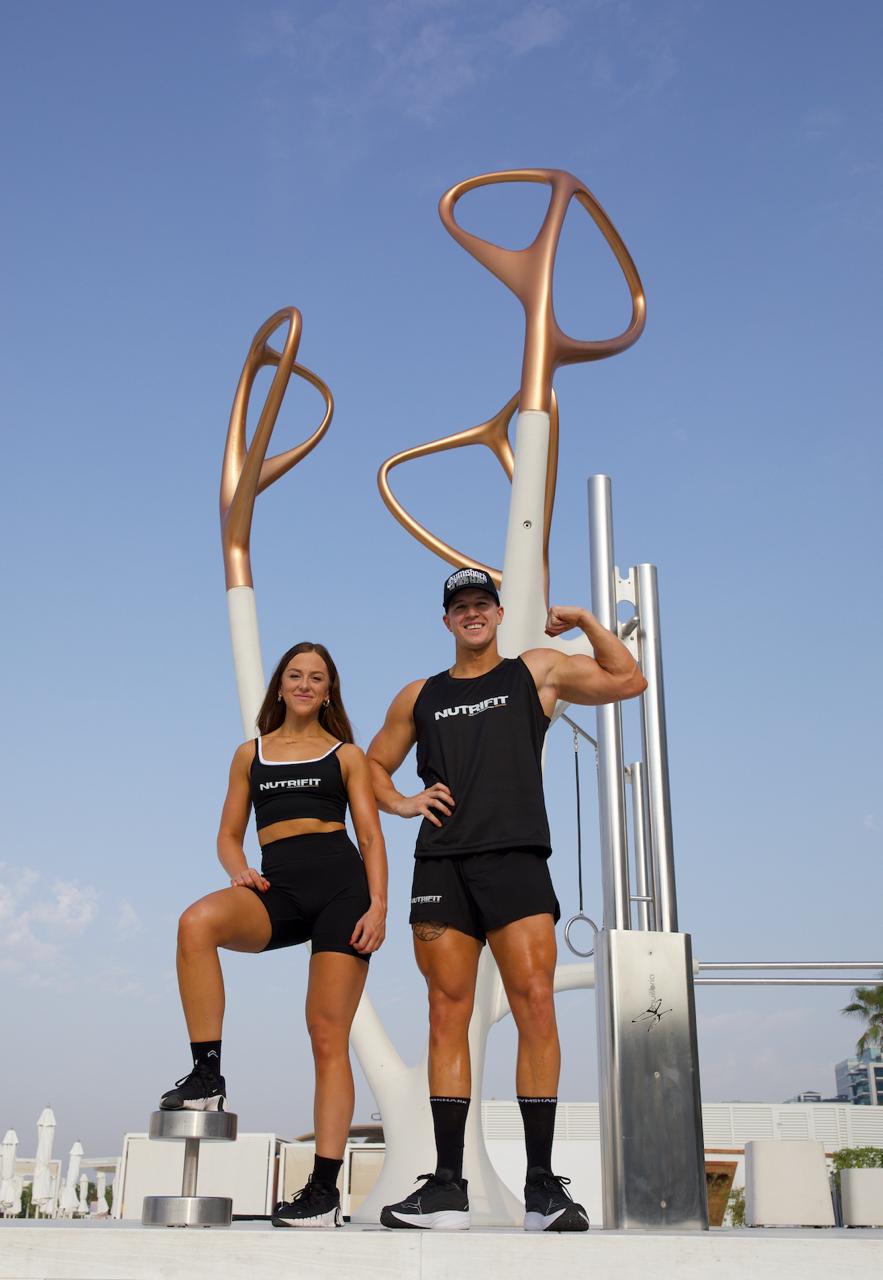
Healthy habits don’t exist in isolation, and partnerships play a bigger role than many realise. At NutriFit, Poppy often sees one partner join a coaching programme, only for the other to follow months later — inspired by the visible shift in energy, consistency and confidence.
“Support doesn’t mean eating the same calories or doing the same workouts,” she explains. “It means making success easier together.” That might look like planning meals, walking together, respecting training time, or simply not commenting on each other’s food choices. The healthiest environments create safety, not pressure.

Looking Ahead to 2026
While social media continues to shape wellness narratives — sometimes for the worse — Poppy is hopeful about where things are heading. There’s growing interest in internal health for external outcomes, with more women questioning why they’re exhausted despite “doing everything right”.
Often, the answer lies in under-fuelling and over-training.
“The future of wellness is less about shrinking bodies and more about building resilient ones,” she says.
And if there’s one philosophy to carry into the New Year, it’s this: Fuel your body in a way that supports the life you want — not one that keeps you stuck chasing control.
Learn more at: www.nutrifitcoaching.com
Image credit: Pinterest

Curious, expressive, and always chasing new ideas, Zainab sees creativity as a way of life. She thrives on discovering new perspectives, connecting with people, and turning inspiration into something tangible. Her work and her world reflect a balance of intuition, imagination, and authenticity.
Contact me: zainab@nommemag.com