Some food for thought
Food writing, at its best, is never really about food. It’s about memory, power, identity, migration, pleasure and survival. From intimate memoirs to sweeping histories of empires and ingredients, these books have shaped how we understand what we eat – and why it matters. Here is a definitive reading list for anyone who believes that the most important stories are often told at the table.
Cuisine and Empire: Cooking in World History – Rachel Laudan
Rachel Laudan’s Cuisine and Empire is one of the most intellectually rigorous books ever written about food. Rather than focusing on recipes or individual chefs, Laudan examines how cuisines develop alongside political power, agriculture, religion and technology. She traces food history from ancient empires through medieval courts and into the industrial age, challenging the romantic idea that ‘traditional’ food is inherently better or purer.
Laudan, a historian with a background in philosophy and science, argues that elite cuisines have often driven innovation, while industrialisation – so often criticised – has actually improved nutrition and access for many societies. It’s a demanding but deeply rewarding read that reframes food as a product of systems rather than sentiment.
Dalit Kitchens of Marathwada – Shahu Patole
Originally published in Marathi as Anna He Apoorna Brahma, this groundbreaking book is the first to document Dalit food history through lived experience. Shahu Patole weaves memoir, social critique and recipes to explore the foodways of Mahar and Mang communities in Maharashtra – communities historically excluded from ‘upper-caste’ culinary narratives.

Patole examines how caste hierarchies dictated not just who ate what, but what was deemed pure, sinful or worthy of celebration. The recipes – often oil-free, dairy-free and built around foraged or overlooked ingredients – stand as acts of resilience. A retired government officer and journalist, Patole brings sharp political clarity to the idea that food is never neutral.
Emperor’s Table: The Art of Mughal Cuisine – Salma Yusuf Husain
This richly researched book explores the splendour and sophistication of Mughal cuisine, drawing from Persian manuscripts, court records and miniature paintings. Salma Yusuf Husain traces how Mughal emperors – from Babur to Shah Jahan – shaped India’s culinary landscape by blending Central Asian, Persian and Indian traditions.
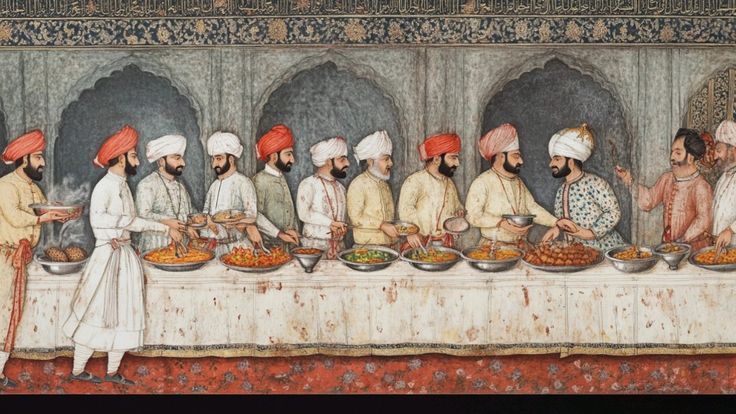
Husain, a Persian scholar and historian, contextualises dishes within courtly life, diplomacy and empire-building. Recipes are adapted for modern kitchens but remain rooted in historical sources. Emperor’s Table is as much a cultural document as it is a cookbook, restoring Mughlai food to its rightful place as one of the world’s great imperial cuisines.
Heat – Bill Buford
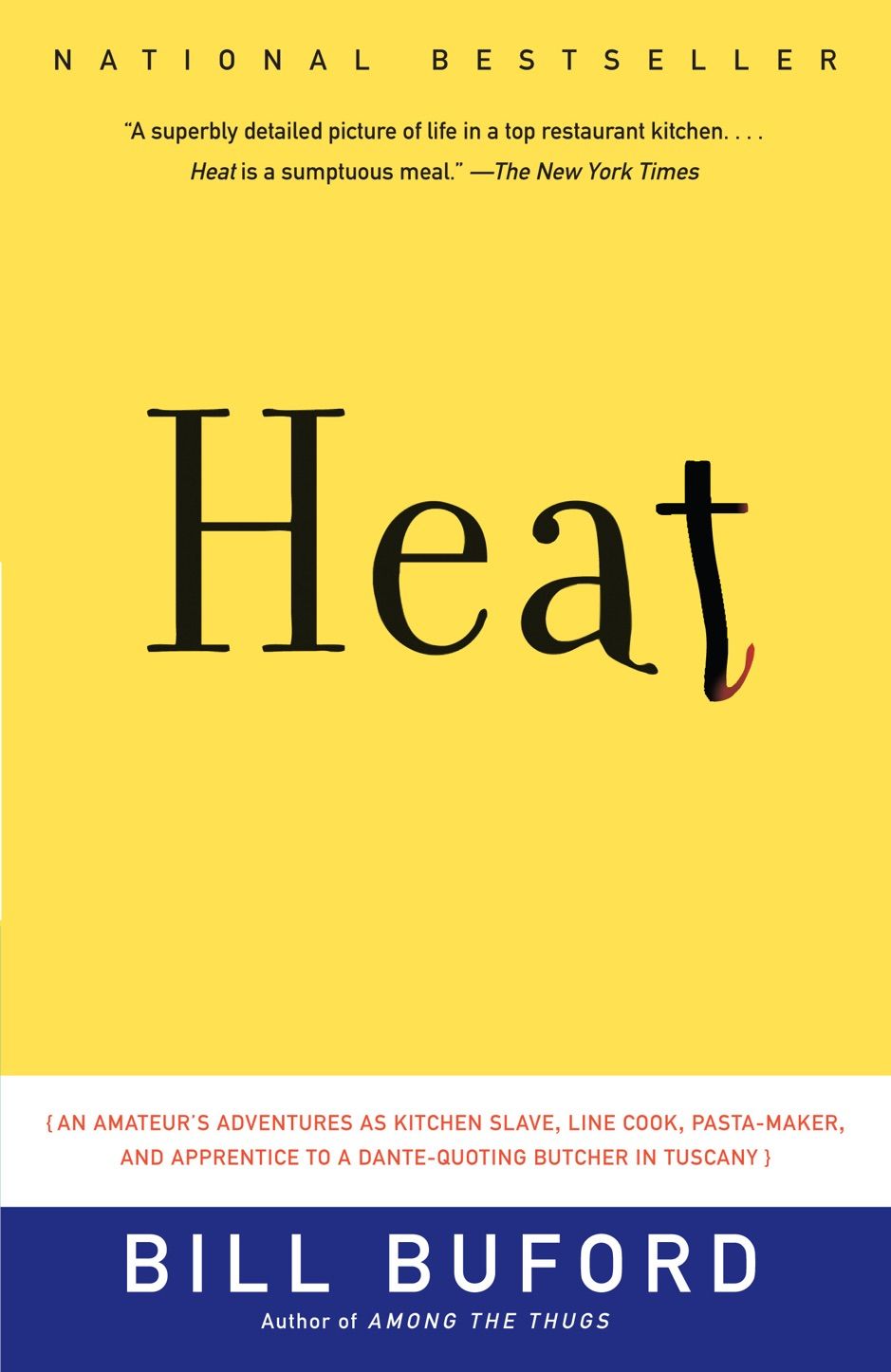
Heat is a bruising, often hilarious immersion into the professional kitchen. Bill Buford, a journalist with no formal culinary training, embeds himself at Mario Batali’s Babbo in New York before decamping to Italy to study pasta-making and butchery at the source.
Part memoir, part reportage, the book exposes the obsession, hierarchy and chaos that define restaurant life. Buford’s writing captures the physical and emotional toll of the kitchen with startling honesty. It’s a cult classic that helped define modern food memoir – and a reminder that passion often comes at a cost.
Invitation to a Banquet: The Story of Chinese Food – Fuchsia Dunlop
Few writers have done more to deepen Western understanding of Chinese cuisine than Fuchsia Dunlop. In Invitation to a Banquet, she structures the book as a traditional Chinese meal, with each “course” exploring a foundational aspect of Chinese gastronomy – from soybeans and fermentation to Buddhist vegetarianism and regional diversity.
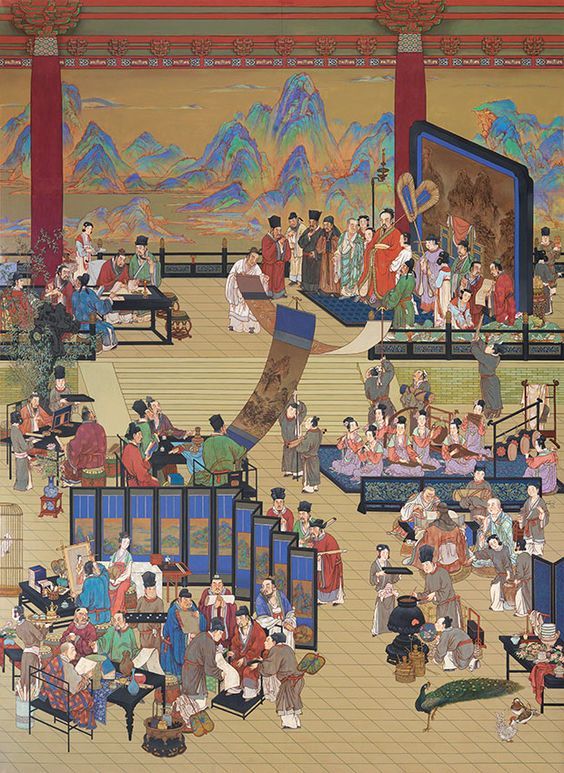
Dunlop, the first Westerner to train at the Sichuan Institute of Higher Cuisine, blends decades of on-the-ground research with history and philosophy. The result is an elegant, authoritative work that dismantles stereotypes and reveals Chinese cuisine as one of the world’s most complex and intellectually rich food cultures.
Kitchen Confidential – Anthony Bourdain
Anthony Bourdain’s explosive debut changed food writing forever. Kitchen Confidential pulls back the curtain on the restaurant industry, exposing its addictions, hierarchies and unspoken rules with brutal candour.
Published in 2000, the book made Bourdain a global figure and redefined how chefs were perceived – not as refined artisans, but as flawed, passionate, often self-destructive humans. Bourdain’s background as a line cook gives the book its authenticity, while his sharp, unsentimental prose ensures its enduring relevance.

Longthroat Memoirs: Soups, Sex and Nigerian Taste Buds – Yemisi Aribisala
This lyrical, deeply personal book blends memoir with recipes to explore Nigerian food, femininity and identity. Yemisi Aribisala uses cooking as a lens through which to examine desire, loneliness, cultural inheritance and belonging.
Unlike traditional cookbooks, recipes appear organically within the narrative, tied to emotional moments rather than instructions. Aribisala, a writer and food blogger, writes with sensuality and vulnerability, offering a rare perspective on African foodways from a woman’s interior life.
My Life in France – Julia Child
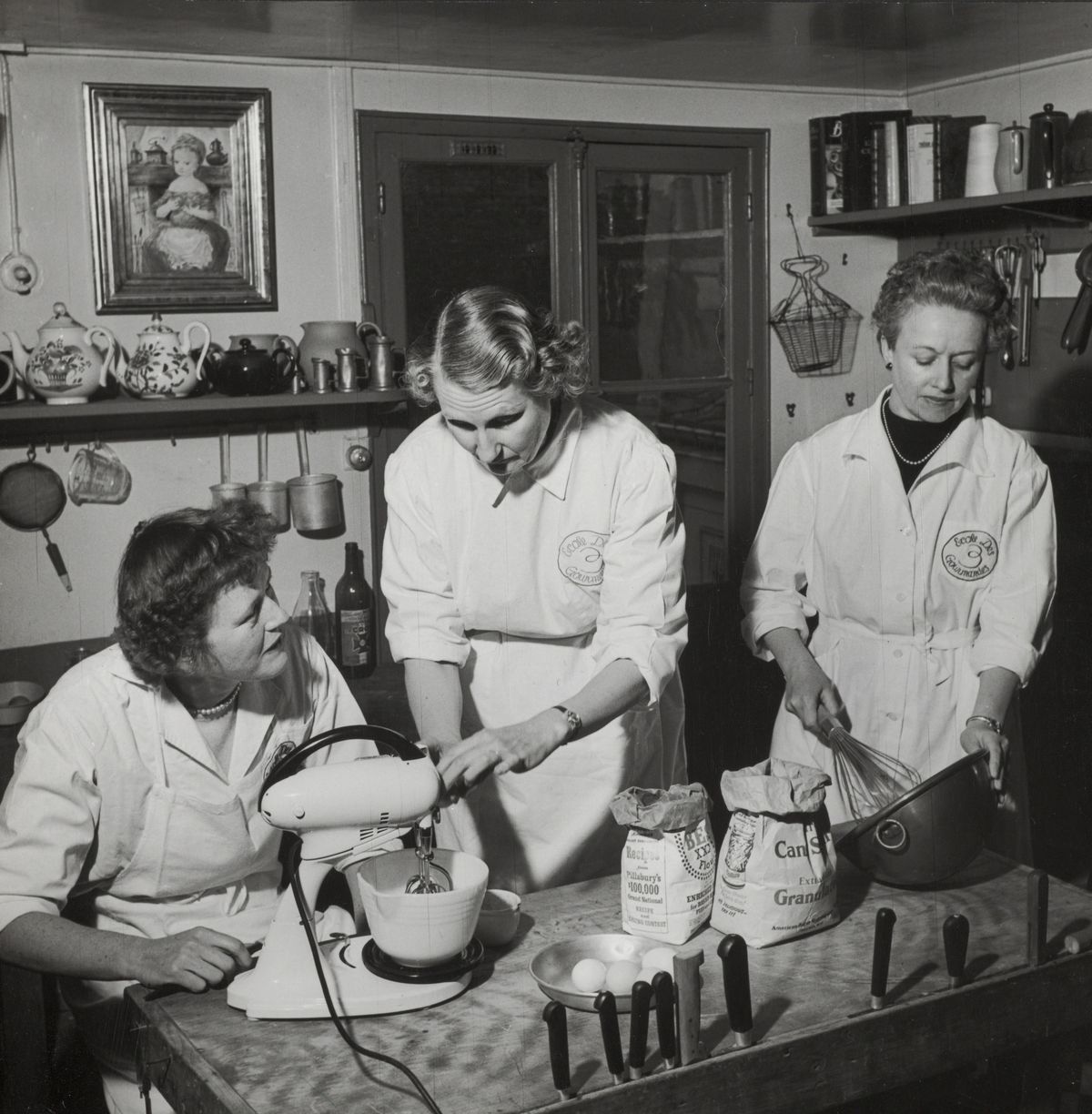
This beloved memoir charts Julia Child’s transformation from a diplomat’s wife with no culinary background into one of the most influential figures in modern cooking. Set largely in post-war France, the book details her training at Le Cordon Bleu and the painstaking work behind Mastering the Art of French Cooking.
Written with warmth and humour, My Life in France captures Child’s infectious curiosity and respect for technique. It also documents a pivotal moment when French cuisine was translated for American home kitchens – forever changing how people cooked.
Salt: A World History – Mark Kurlansky
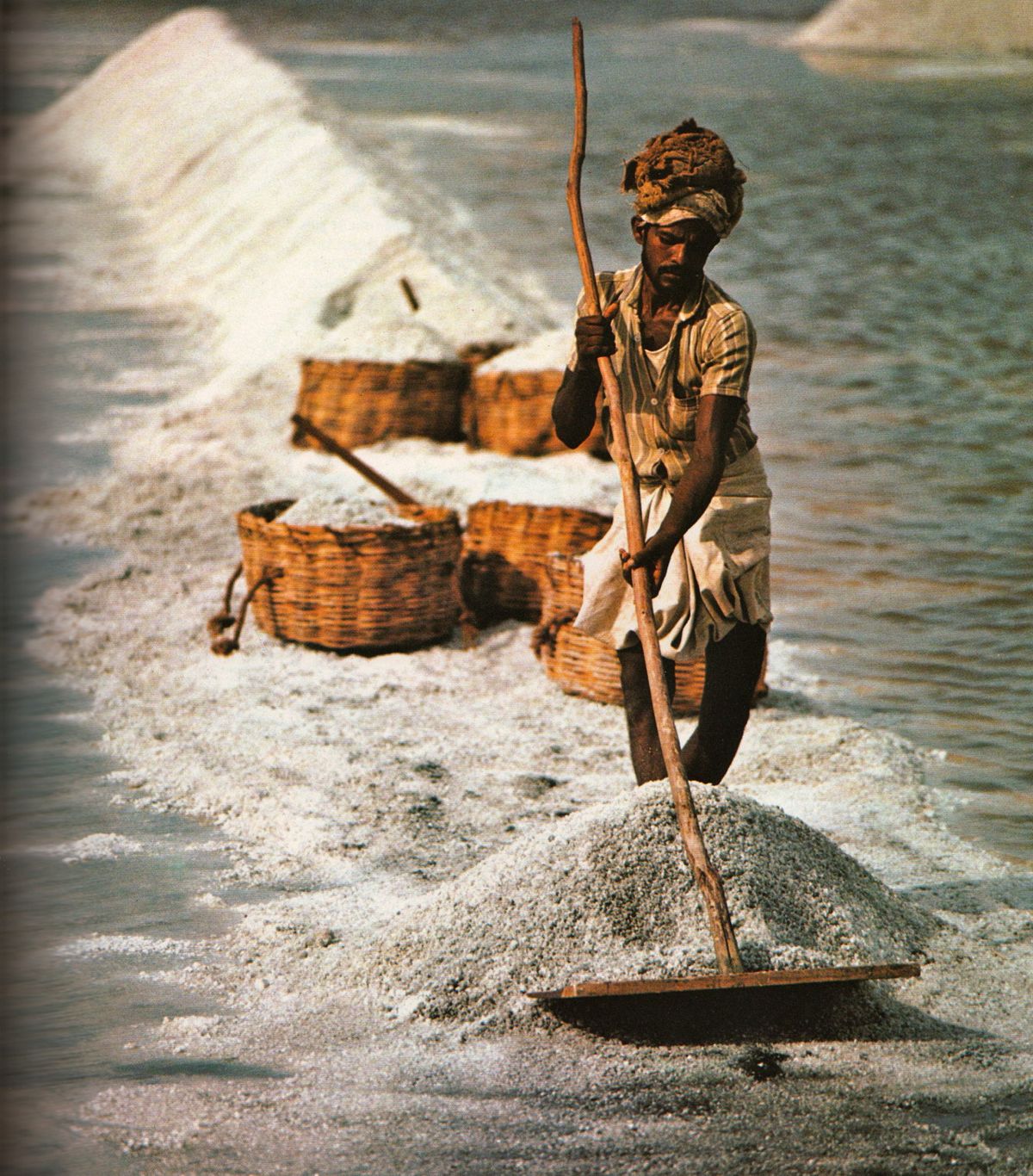
Mark Kurlansky takes a single ingredient and uses it to tell the story of civilisation. Salt traces how this once-precious mineral shaped trade routes, economies, wars and revolutions.
Blending anthropology, history and science, Kurlansky shows how salt preservation enabled exploration and empire-building. The book’s success helped popularise ingredient-led food history and remains a cornerstone of the genre.
Salt, Fat, Acid, Heat – Samin Nosrat
Part manifesto, part masterclass, Samin Nosrat’s book distils cooking into four essential elements. Rather than offering rigid recipes, Nosrat teaches readers how to think like a cook—understanding balance, texture and flavour.
With a background at Chez Panisse and a gift for teaching, Nosrat makes culinary science feel intuitive and joyful. The book’s success—and its Netflix adaptation—cemented her reputation as one of the most influential food educators of her generation.
Taste: My Life Through Food – Stanley Tucci
Stanley Tucci’s memoir is an intimate exploration of food as comfort, connection and survival. Alongside stories of family meals and film sets, Tucci recounts his experience with oral cancer and the devastating loss of taste.
For an actor whose life revolved around food, this becomes a meditation on identity and recovery. Written with dry wit and emotional restraint, Taste is both a love letter to Italian-American cooking and a deeply human story about resilience.
The Art of Eating – M.F.K. Fisher
This collected volume brings together five of M.F.K. Fisher’s most influential works, cementing her legacy as the patron saint of food writing. Fisher wrote about hunger, pleasure and restraint with literary elegance at a time when food was rarely taken seriously as subject matter.
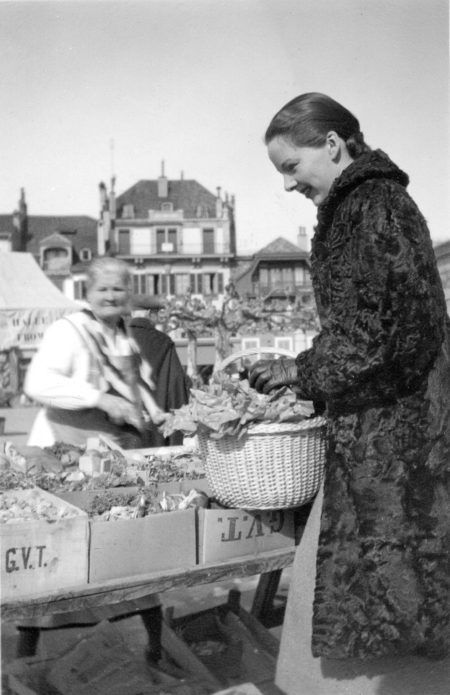
Her essays transcend recipes, using food to explore love, war, poverty and desire. Few writers have captured the emotional weight of eating with such clarity – and her influence is felt in nearly every food memoir that followed.
If food is memory, politics, pleasure and power all at once, these books prove that the most important stories are often told between bites.
Image credit: Pinterest

Curious, expressive, and always chasing new ideas, Zainab sees creativity as a way of life. She thrives on discovering new perspectives, connecting with people, and turning inspiration into something tangible. Her work and her world reflect a balance of intuition, imagination, and authenticity.
Contact me: zainab@nommemag.com