Resident food critic Matt Broderick breaks down the anatomy of the perfect tasting menu
They should be fast but smooth. The action should be non-stop, but with subtle surprises before the final dash. It should not be painful and at no point should you wish the ride to end. When it’s over, you want to do it all again. There is ebb, and there is flow.
From the title, you might think I am discussing tasting menus but the opening paragraph is a synopsis from an inside chat about rollercoasters, and that is entirely intentional. A fantastic tasting menu should emulate a great rollercoaster in design. You want the journey to ebb and flow, with thrills and joy, but maybe throw in one big loop at an unexpected moment, especially after a slow ascension towards the apex.
What you cannot do is just throw in ten loop-the-loops and expect your guests to return, or even enjoy the meal. The 2026 trend towards shorter, more dynamic tasting menus alludes to this. It might be ten of the wildest loops ever but nuance is required. The ride cannot be so long that you are waiting for the end, or so short that you wonder why you bothered. More food, less story.
What About the Food?
It is the same for the food; a well-developed tasting menu has twists and turns that blend into each other. It satisfies, and surprises, but always leaves space for more. A battering ram of punchy flavours, or too many ill-thought out dishes is the recipe for overwhelming the diner. This includes the wine pairing (or beer, cocktails, water, tea, or perfume) and the storytelling. The wine and the anecdotes should be gentle sidekicks to the star of the show; the food. Dinner by Heston reigns supreme by allowing the diner to choose the level of nerdy complexity of the dishes that is presented.
How many courses? Having eaten tasting menus for so many years, I always felt that 7-9 courses were common and popular at the very best restaurants. My favourite tasting menu is the humble, farm-to-plate (literally) John’s House in Leicestershire, UK. Their tasting menu is either 5 or 7 courses and well-supplemented with baked-on-site breads and canapés. The size allows for better pacing, and for the sommelier to go big with the pairings. There is no need for the chef to throw his kitchen sink at the diner.
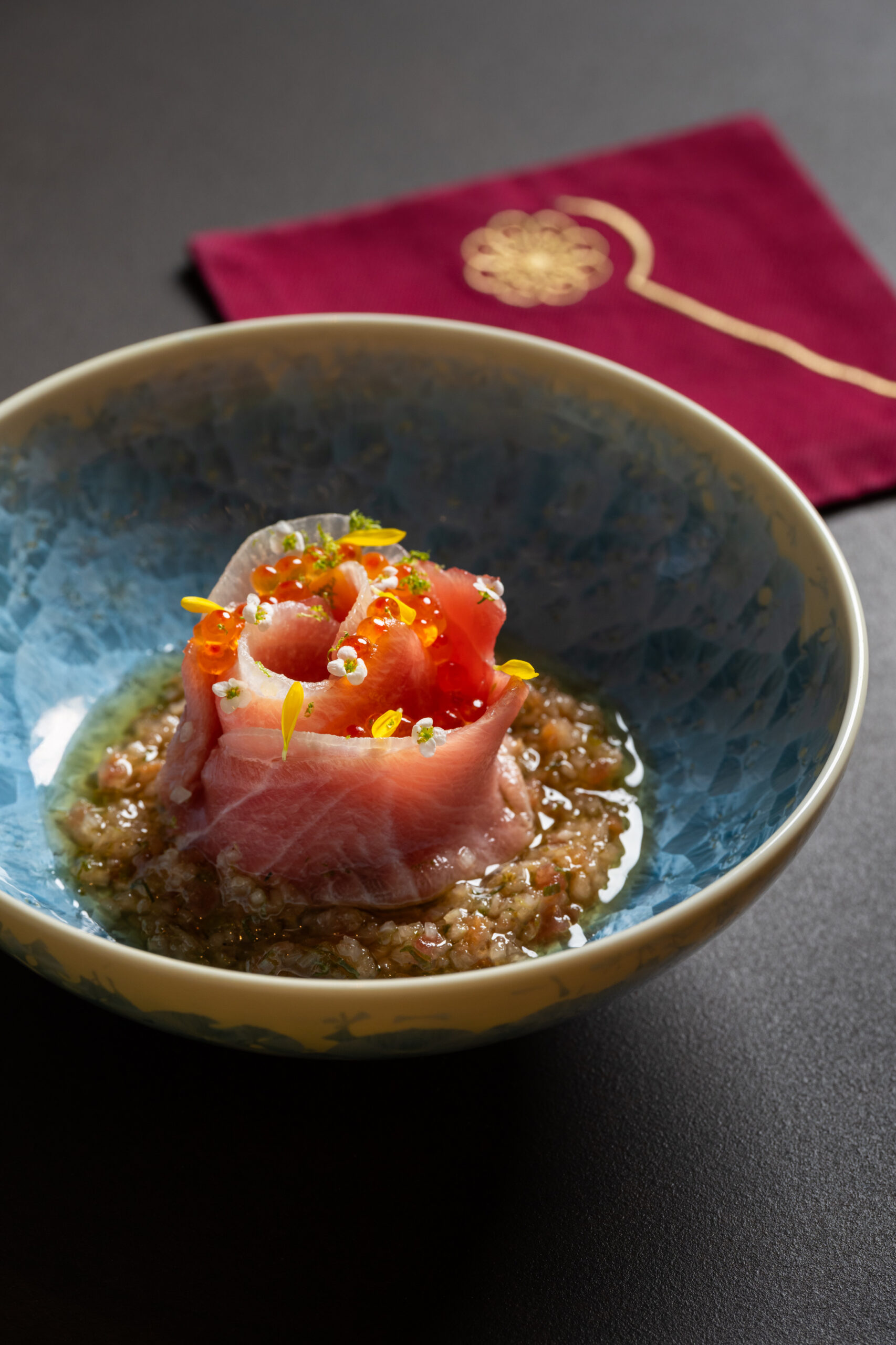
How Else Can Restaurants Get it Right?
FZN (Atlantis) and Row on 45 (Grosvenor House) operate similar modus operandi for their menus; moving diners from one area to another in between parts of the experience. John’s House has done this for even longer, too. This adds variance and freshness to the menu, as well as allowing you to walk off a few calories. While the two menus are different in length and price, the balance achieved by the touch of the kitchen is highly notable.

Reif Othman knows his way around a menu better than most, especially in Dubai. The Experience by Reif Othman (TERO) is another finely tuned tasting concept; offering thematic originality and clever use of seasoning to vary each dish and mouthful. The private setting sure helps. Every time I visit TERO, I can’t wait to go back again for “one more ride!”
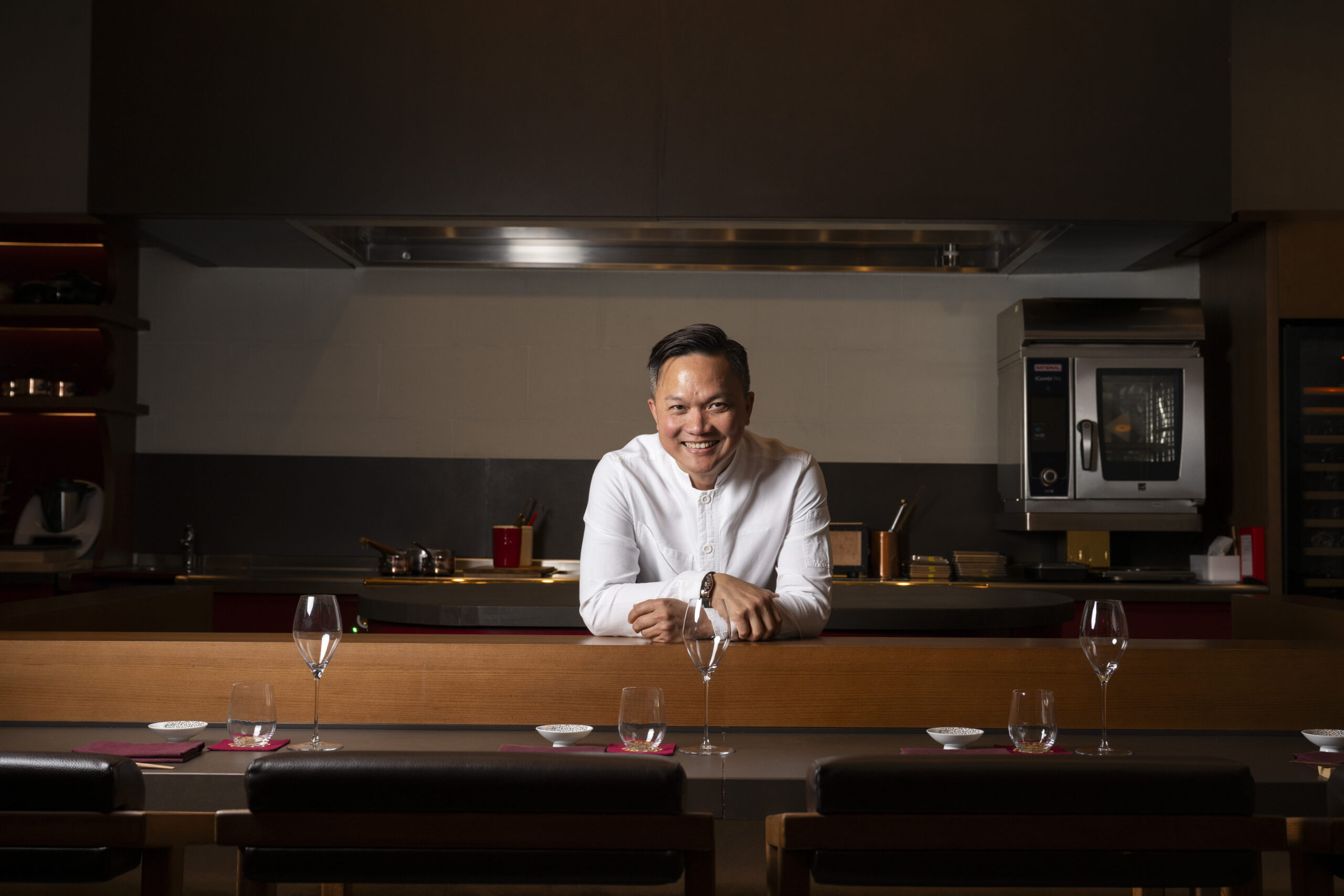
TakaHisa is my addiction. Another tasting menu that has learned balance and lightness through its many collaborations. Each menu is different but built on trusty and familiar foundations; almost like someone rearranging their rollercoaster track to experience different combinations of the twists and turns. My presence on the gorgeous terrace post-Omakase is testament to the overall balance and lightness of their food.
A special mention must go to two of the Dubai godfathers of the tasting menu; Grégoire Berger and Tom Allen. While no longer at the helm of Ossiano and Dinner by Heston respectively, any time they roll out a tasting menu, I am there as it’s a lesson in nuance and measured storytelling. Grégoire’s new venture at Kraken looks to be shaping up to be one of Dubai’s must-try tasting menus. Avatara have the most wonderfully light tasting menu thanks to their vegetarian MICHELIN heritage. Does it need a protein to hit the highest highs, though? (The answer is ‘no’). Watch this space.
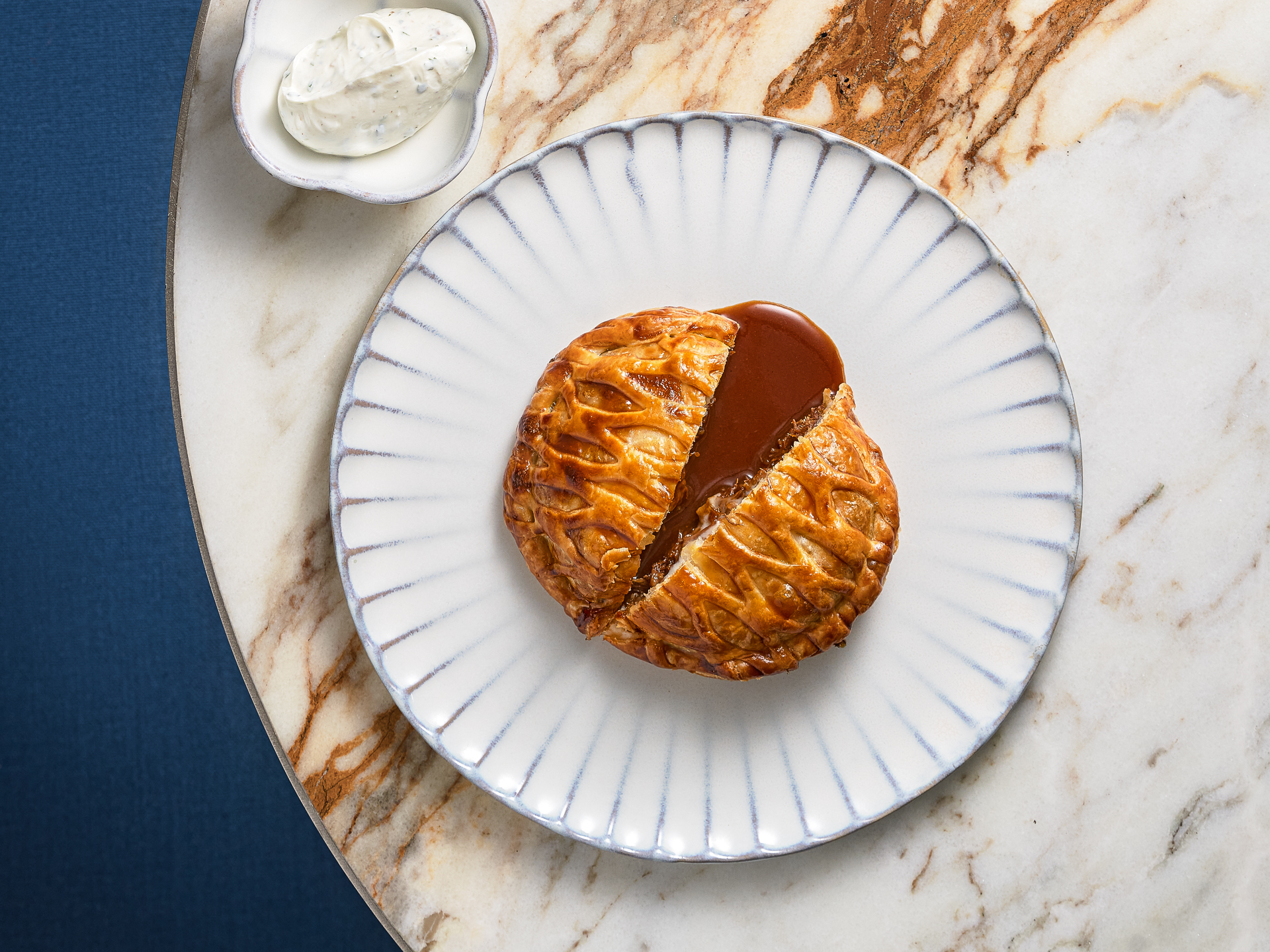
My one-to-watch is DUO Gastrobar. A menu that screams simplicity and balance is sure to achieve the same with their recently developed tasting spread. As long as it’s got the Oxtail Pie on it, it will be a winner.
Tasting Menus of the Future
How about tasting menus reimagined? One budding restaurateur had the idea of doing a tasting menu by time, rather than courses. i.e. you could choose from 60, 90, or 120 minute options. A brilliantly customer-centric idea that allows you to choose between the Wurlitzers, the teacups, or the Formula Rossa’s of the world. It also helps with kitchen and floor management, knowing your guests have booked a timeslot. Unfortunately, it has not happened yet but that is exactly how I would design my menu, if I could.
Conversation around tasting menus rarely goes away and it is often centred around the demise of tasting menus, or the issues with tasting menus. They are not going anywhere amidst the pursuit of lists, stars, and toques because they allow chefs to control the narrative with the fewest of mistakes. They just need to do it right, or differently, if all diners are to be satisfied.
Anyway, all I’m saying is this: next time you finish your tasting menu, think about this – does your inner child scream “again, again”?
Image credit: Supplied

With over two decades of experience in food writing and hospitality consultancy, Matthew has chronicled the evolution of the Middle East’s dining scene for international titles and regional platforms alike. A Key Opinion Leader and occasional judge, as well as the founder of APEX Mystery Shoppers, he brings a unique perspective shaped by thousands of restaurant visits across Europe and the GCC.