The chef-owner dishes on the simplicity of conscious dining and why Ras Al Khaimah
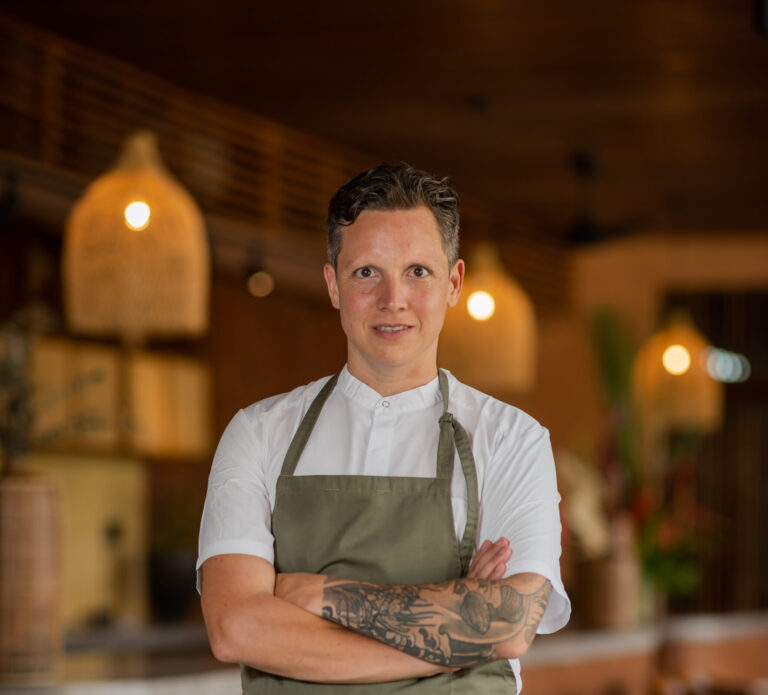
Chef Syrco Bakker is a citizen of the world, in every sense of the phrase.
Born in The Netherlands, bearing Indonesian descent, and now cooking in the UAE, he takes all that culture, all that history and all those food stories and injects them into his distinct brand of cuisine – innovative, inventive and always conscious. With a backbone of traceability and transparency, his vision remains focused on bringing out the best of the best ingredients – natural, flavour driven and with regional emulation.
His venture in the desert sands of the UAE, Farmhouse by Syrco, has returned to The Ritz-Carlton, Ras Al Khaimah, Al Wadi, with a redesigned space, a refreshed menu and a renewed zeal to offer experiences involving food and wine that honour not just this land, but his multicultural roots as well. We sat down with him to dissect this new chapter in the restaurant’s history and how Ras Al Khaimah may be that unassuming culinary gem waiting to be discovered.
What first made you fall in love with cooking, and what experiences shaped the chef you are today?
I think it has always been curiosity. I enjoy discovering ingredients, understanding flavours and learning from the people around me.
I’ve been fortunate to work with some incredible chefs and teams throughout my career. My time in the Netherlands and now in Bali has definitely shaped the way I cook and look at food.
What I enjoy most is that there’s always something new to discover. Different cultures, different ingredients, different techniques. You never really stop learning, and that’s what keeps it interesting for me.
Farmhouse by Syrco has returned with a redesigned space and a refreshed dining concept. What was the vision behind this new chapter, and what did you feel needed to evolve?
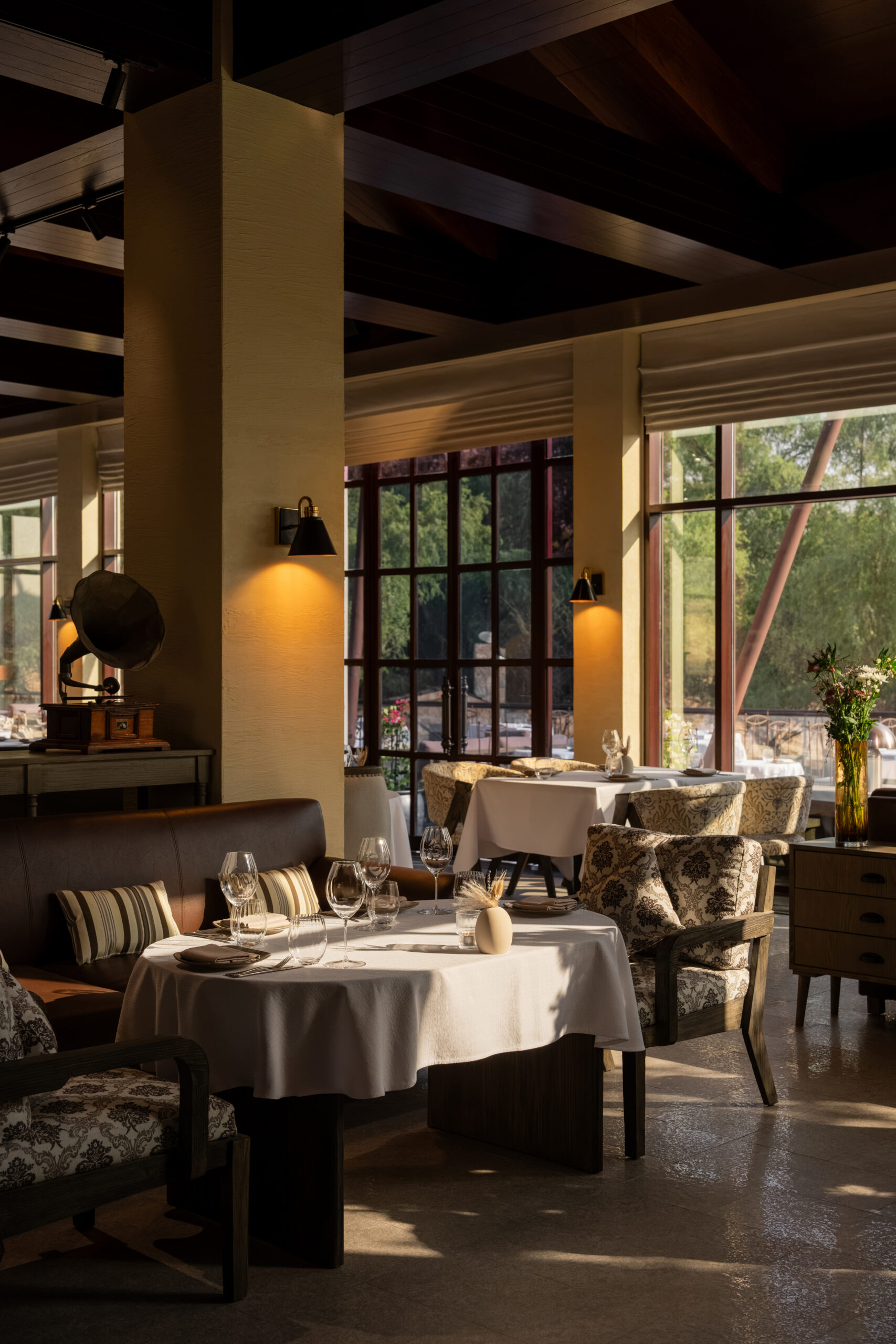
We wanted Farmhouse to feel like a house in the desert. Somewhere people feel comfortable, come together, enjoy good food and have a good time.
With the new concept, we’ve created a more relaxed and interactive dining experience. The food is product-driven, with influences from my European background, modern cooking techniques and flavours from the region.
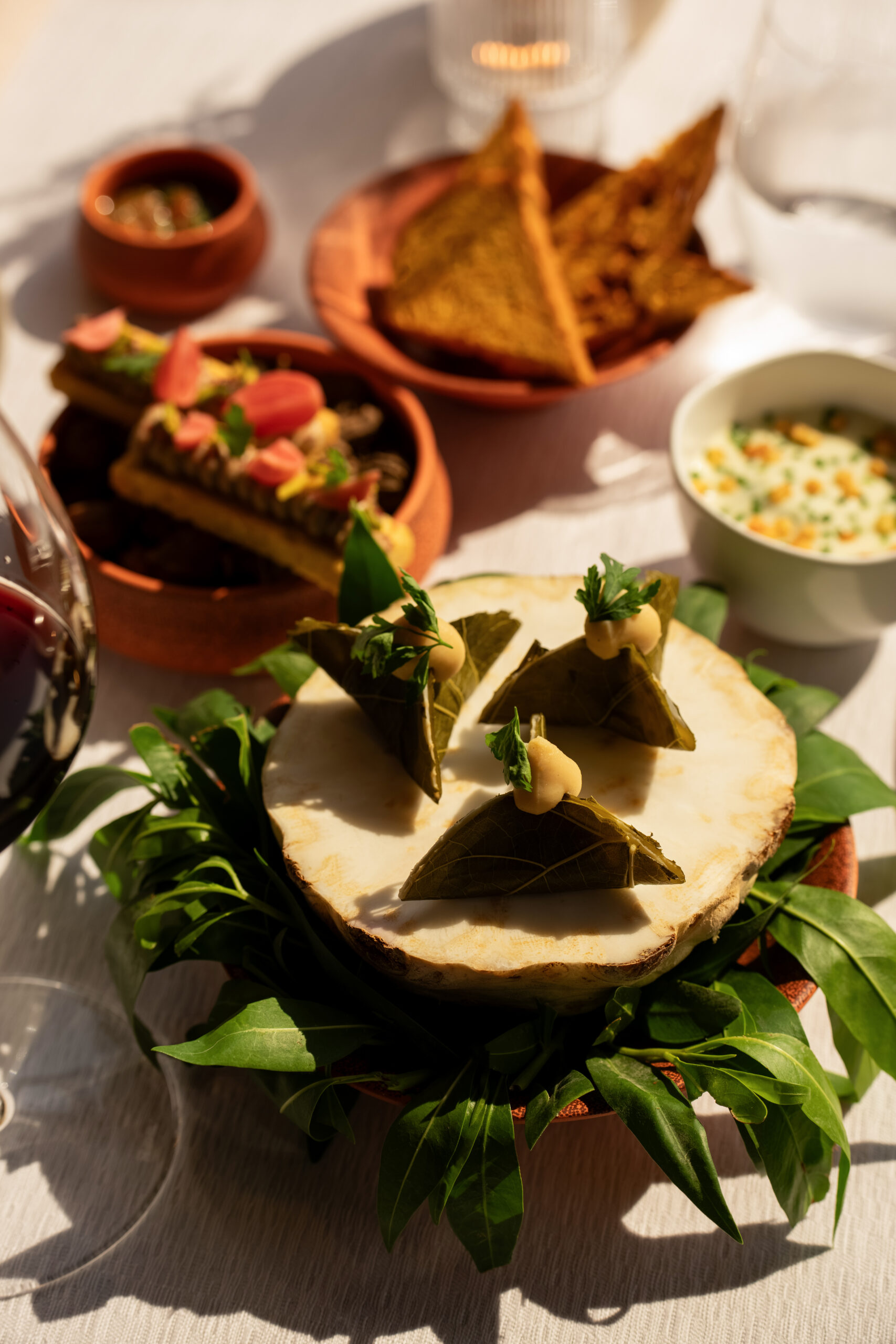
We also wanted to make Farmhouse a destination for people living in or visiting Ras Al Khaimah, not only for hotel guests. At the end of the day, it’s about good food, a welcoming atmosphere and creating an experience people enjoy coming back to.
The new Chef’s Table offers a more intimate experience. What does cooking directly for guests, where they can see and interact with the kitchen, mean to you?
I really enjoy that interaction. It’s nice when guests can see what’s happening in the kitchen, meet the chefs and ask questions about the food.
It makes the experience more personal and informal. We can share a little more about the ingredients, the preparations and the ideas behind a dish.
And it’s also enjoyable for us. We get to hear what guests think and have conversations that don’t always happen in a regular restaurant setting. For me, that’s what a Chef’s Table should be. Good food, a relaxed atmosphere and some nice conversations along the way.
The restaurant is described as a conscious dining concept. That phrase is used quite frequently in the hospitality industry, but what does it genuinely mean to you beyond the terminology?
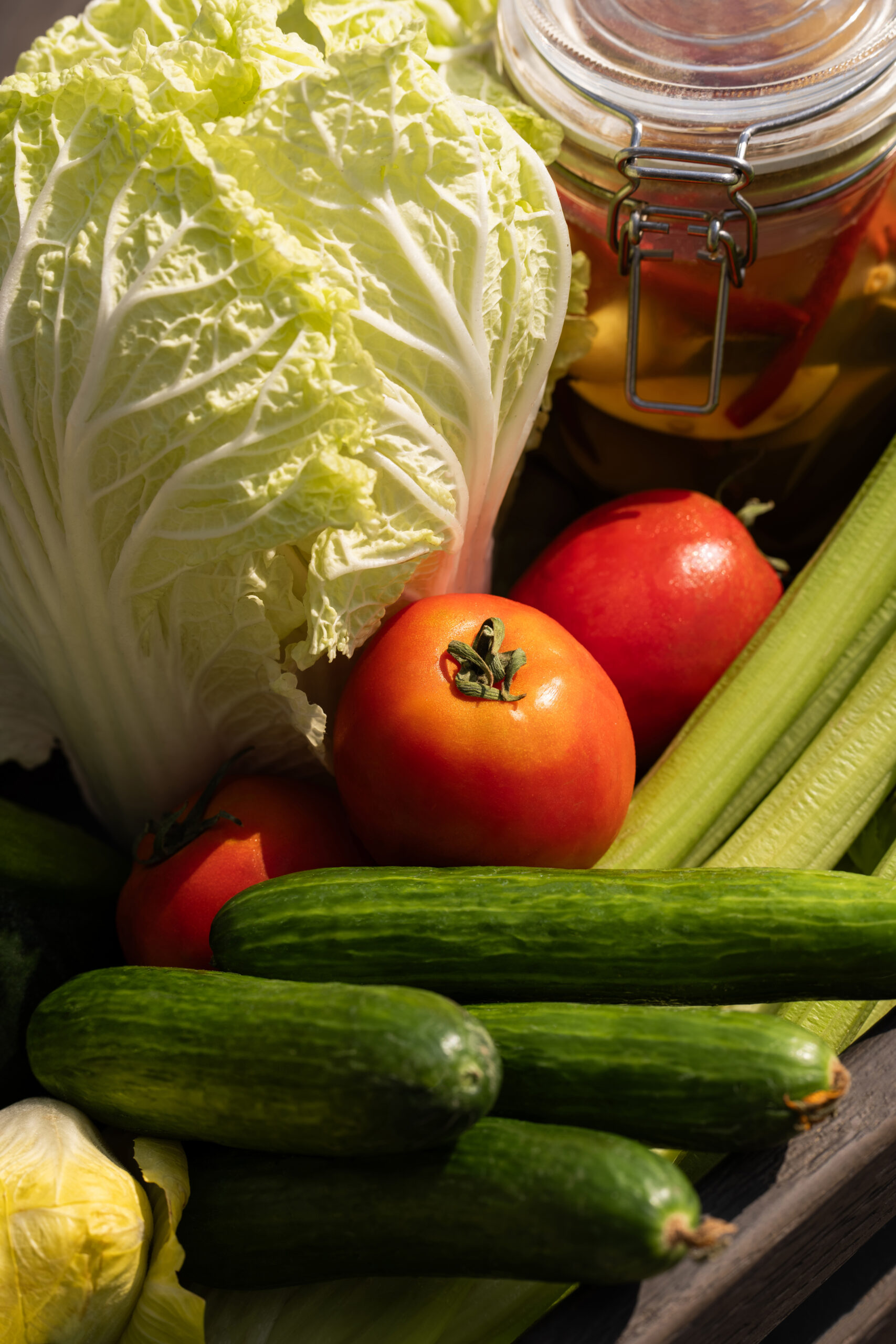
For me, it’s actually quite simple. It’s about being aware of the choices we make, from the ingredients we buy to how we prepare and serve them.
We work with three values: Traceability, Nature and Transparency. These are principles that guide us in our restaurants.
Of course, the situation in the UAE is different from Bali. We don’t have the same access to farms and producers, and not everything can be sourced locally. That’s just the reality.
But there are some really interesting products being grown and produced in the UAE, and we want to discover and support those wherever we can. We’re not saying everything we do is perfect. We just want to make good decisions, keep improving and serve food that we believe in.
Where do you think the industry is making genuine progress, and where is there still a long way to go?
I think there’s definitely more interest in local ingredients and understanding where food comes from, which is a good thing.
But every country has different possibilities. In some places, it’s easier to work directly with farmers, while in others, the supply chain is more complicated.
In the UAE, I think there’s an opportunity for restaurants and suppliers to work more together. When more chefs are interested in locally grown products, it can also encourage producers to develop and grow more.
It doesn’t need to be complicated. Sometimes it starts with choosing a local product when it’s available, giving feedback to a supplier or simply asking what else could be grown here.
Small steps can already make a difference.
You’re cooking in a very distinctive part of the UAE, surrounded by desert landscapes, mountains and the coastline. How has Ras Al Khaimah influenced your culinary identity?
What I really like about Ras Al Khaimah is the diversity of the landscape. You have the desert, the mountains and the sea, all quite close to each other.
It’s very different from the Netherlands or Bali, and that makes it interesting.
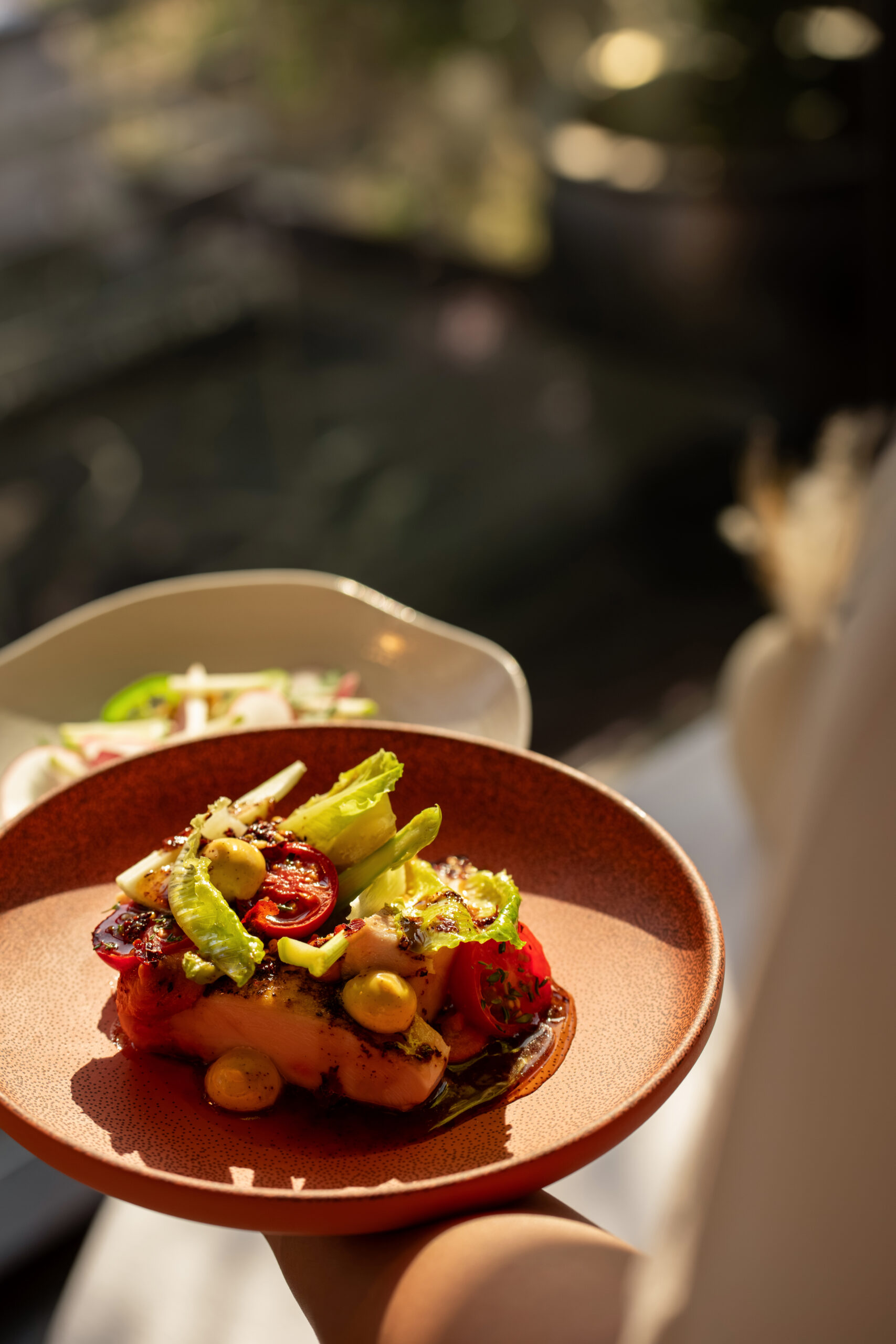
For Farmhouse, we bring our own cooking style, but we’re also curious about the ingredients and flavours available in the region. We use European influences, modern techniques and some Middle Eastern flavours, always with the product at the centre. It’s a combination that feels natural for us and fits the relaxed atmosphere of Farmhouse.
Tell us about a particular local ingredient or producer that has genuinely inspired you.
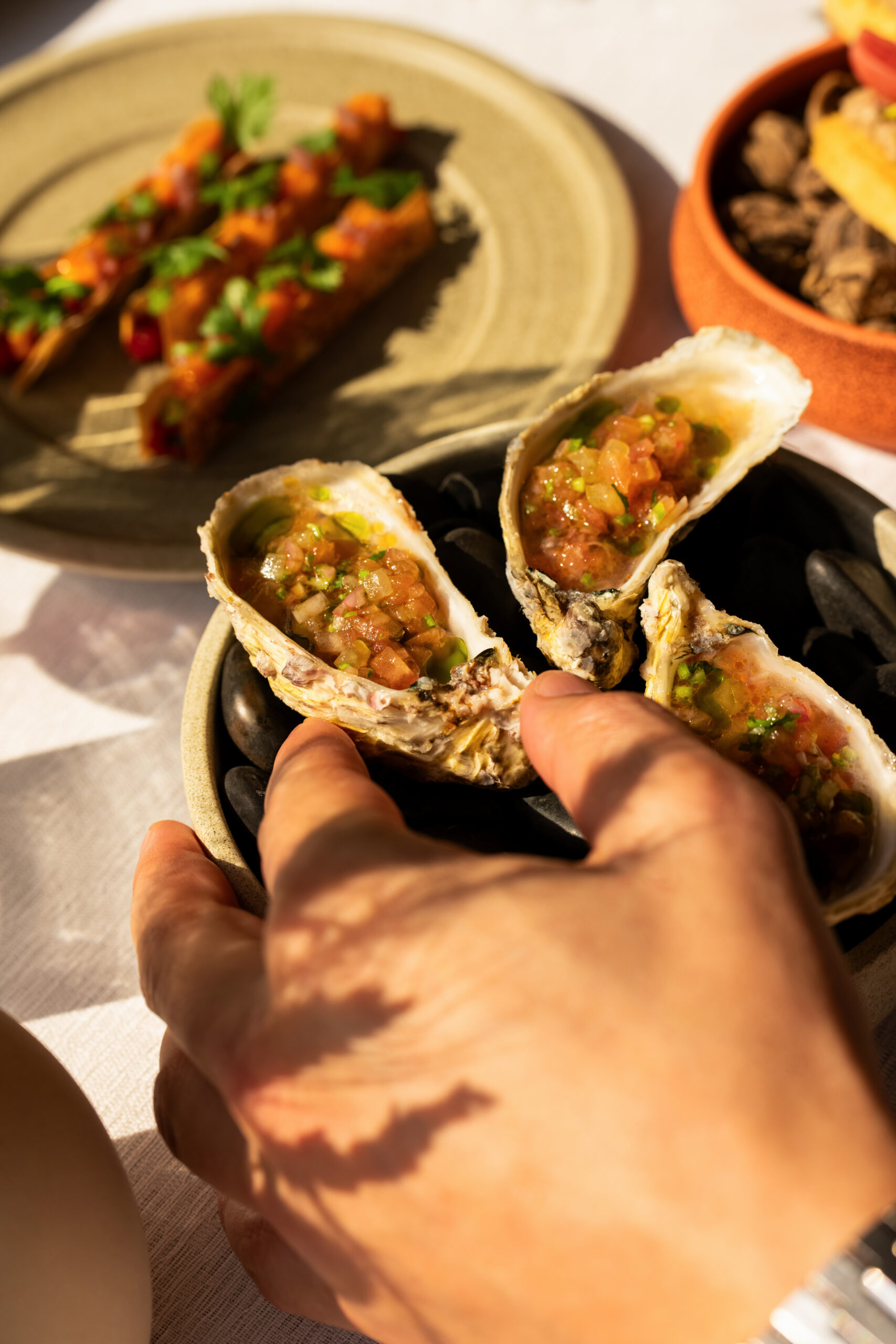
There are some really nice products coming from the UAE. Two examples I particularly like are locally grown tomatoes and Dibba oysters.
A good tomato doesn’t need much. When the quality is there, you can keep the preparation very simple and let the ingredient speak for itself.
The Dibba oysters are another great product from the region. Beautiful freshness, salinity and flavour. I think it’s interesting to see what producers are already doing here, especially considering the climate and the challenges that come with it.
For us as chefs, it’s enjoyable to discover these products and find ways to use them on the menu.
What do you see in the future of locally-sourced dining in the UAE?
I think there’s a lot of potential, but it will take time.
The climate obviously creates challenges, and we have to be realistic about what can be grown locally. But there are already producers doing interesting things, and I think that will continue to develop.
As chefs and restaurants, we can support that by using local products where possible, showing interest in what producers are doing and encouraging suppliers to explore new opportunities.
And hopefully, as more restaurants start working this way, there will also be more demand for locally grown ingredients. For us at Farmhouse, it’s simply about being part of that development, discovering good products and making better choices wherever we can.
Nothing too complicated. Just good food, good ingredients and continuing to learn.
@farmhousebysyrco, @syrcobakker
Image credit: Supplied
Deeply passionate about food, culture and community, Manaal loves telling extraordinary stories of ordinary people. Besides sniffing out a tale to tell, her favourite things to do include binging true crime documentaries, chasing cats on the streets and curating a good outfit.