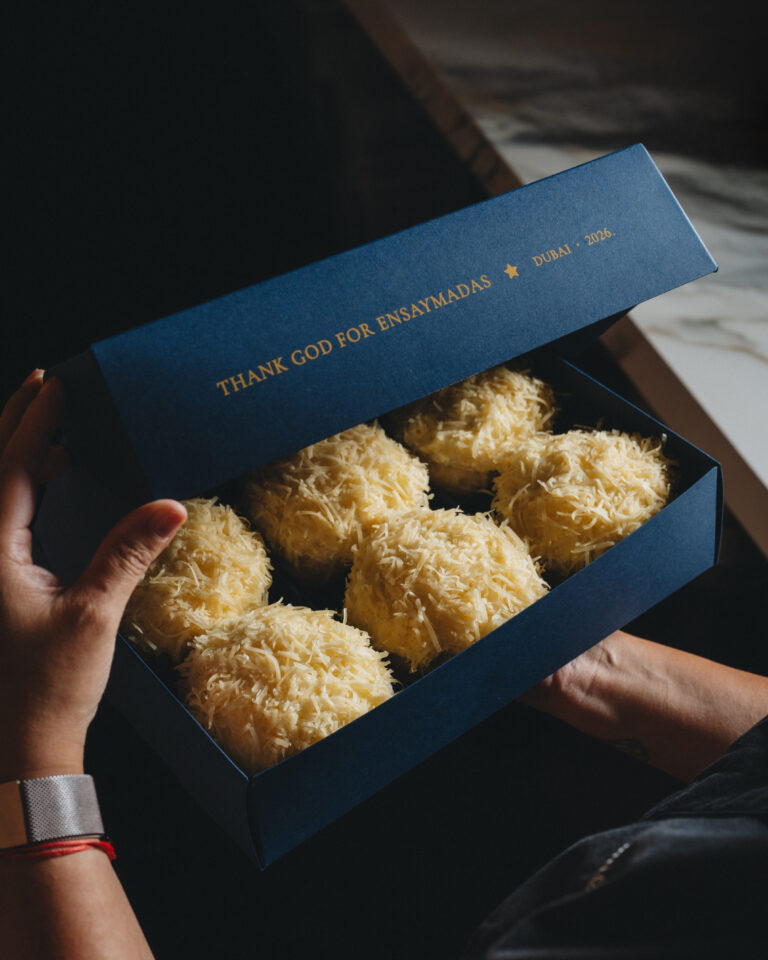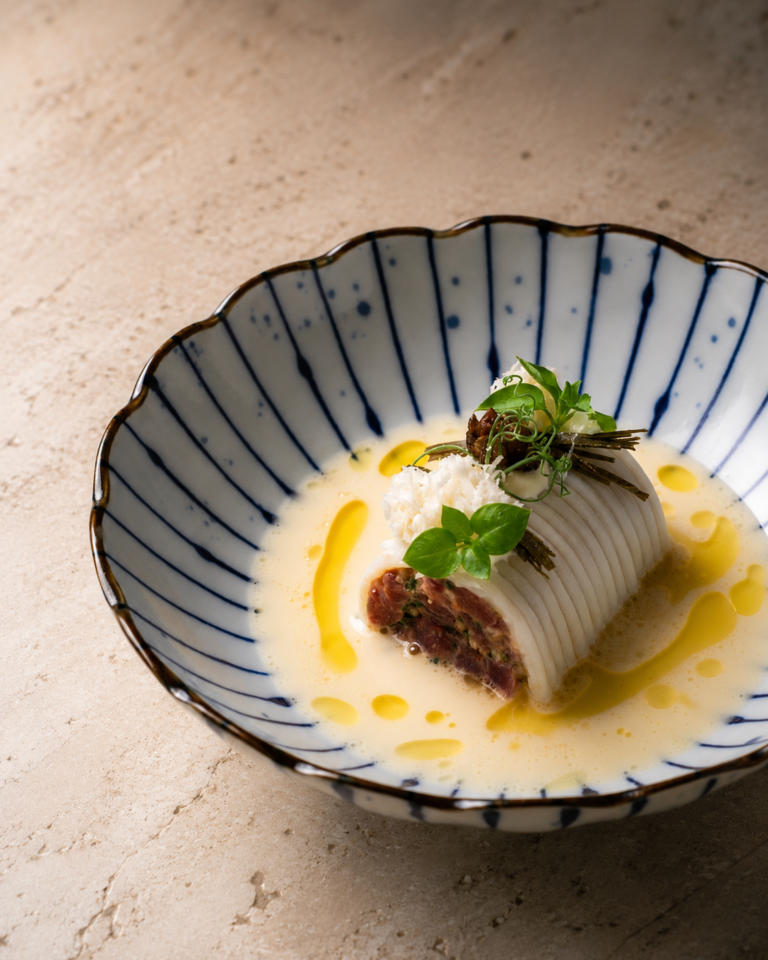
Travel the world on a parcel
Across continents and centuries, the dumpling has quietly remained one of the most universal expressions of comfort, ingenuity, and cultural identity. Found in countless forms, from delicate parcels of folded dough to hearty stuffed pockets that are steamed, boiled, fried, or baked, the dumpling is spoken differently in every region, shaped by geography, climate, religion, and available ingredients.
The First Fold
The earliest origins of dumpling-like foods are most commonly traced to ancient China, where filled dough preparations are believed to have developed over 1,800 years ago. Traditionally associated with the Han Dynasty, early versions of dumplings were not only a practical way to stretch ingredients and preserve food, but also carried symbolic meaning.
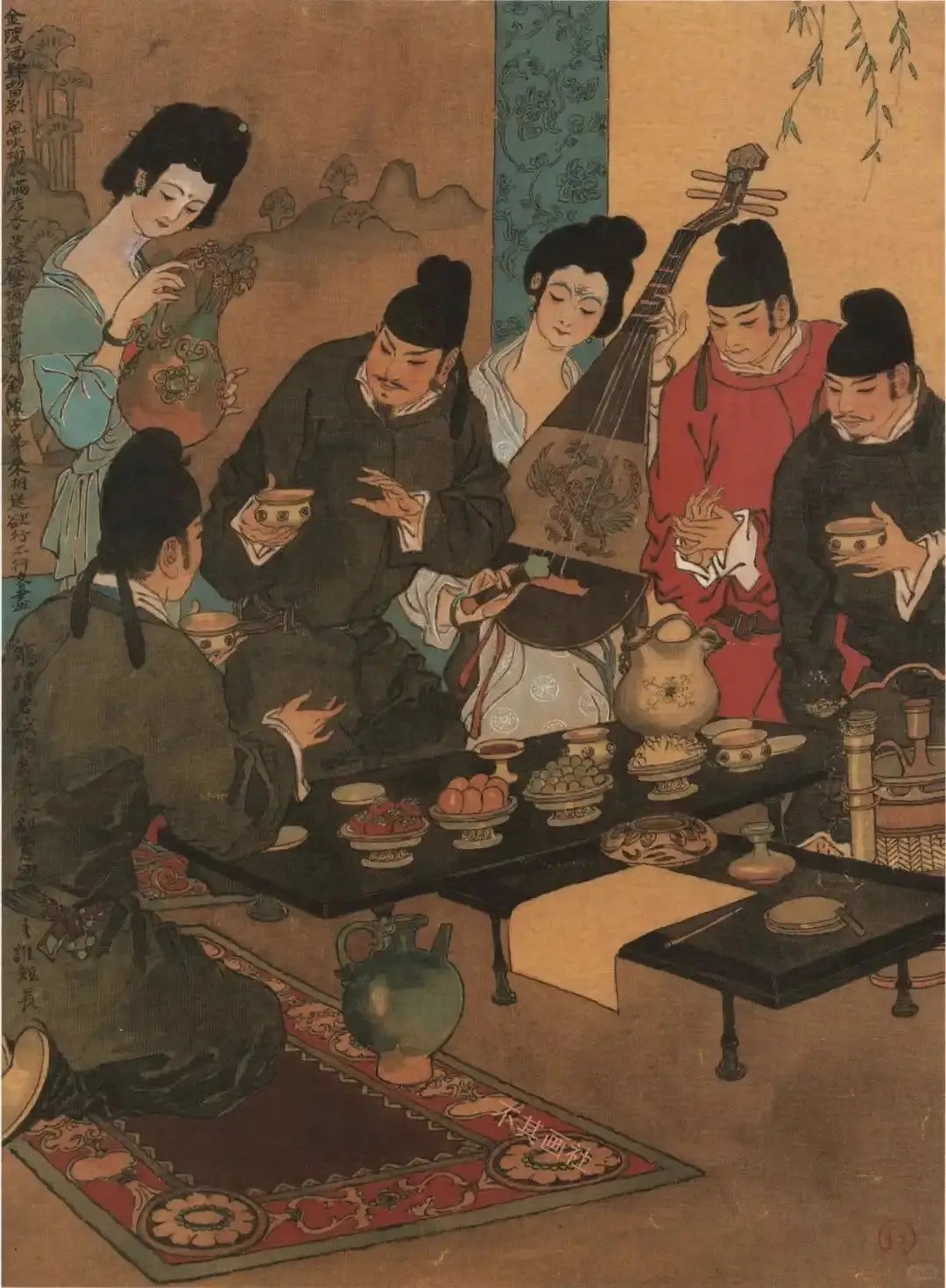
Over time, they became especially significant during the Lunar New Year, where their shape resembling ancient gold ingots came to represent prosperity and good fortune. From China, the concept of stuffed dough spread and diversified, carried along trade routes such as the Silk Road and adapted through migration and cultural exchange, and as dumplings traveled across Asia, they evolved into distinct regional expressions.
Sharing Culinary Languages
What makes the dumpling so remarkable is not just its diversity, but its universality. Whether shaped delicately by hand in a home kitchen or produced in bustling street markets, dumplings reflect migration, adaptation, and survival. They are deeply tied to memory and ritual, often appearing at celebrations, family gatherings, and moments of cultural significance.
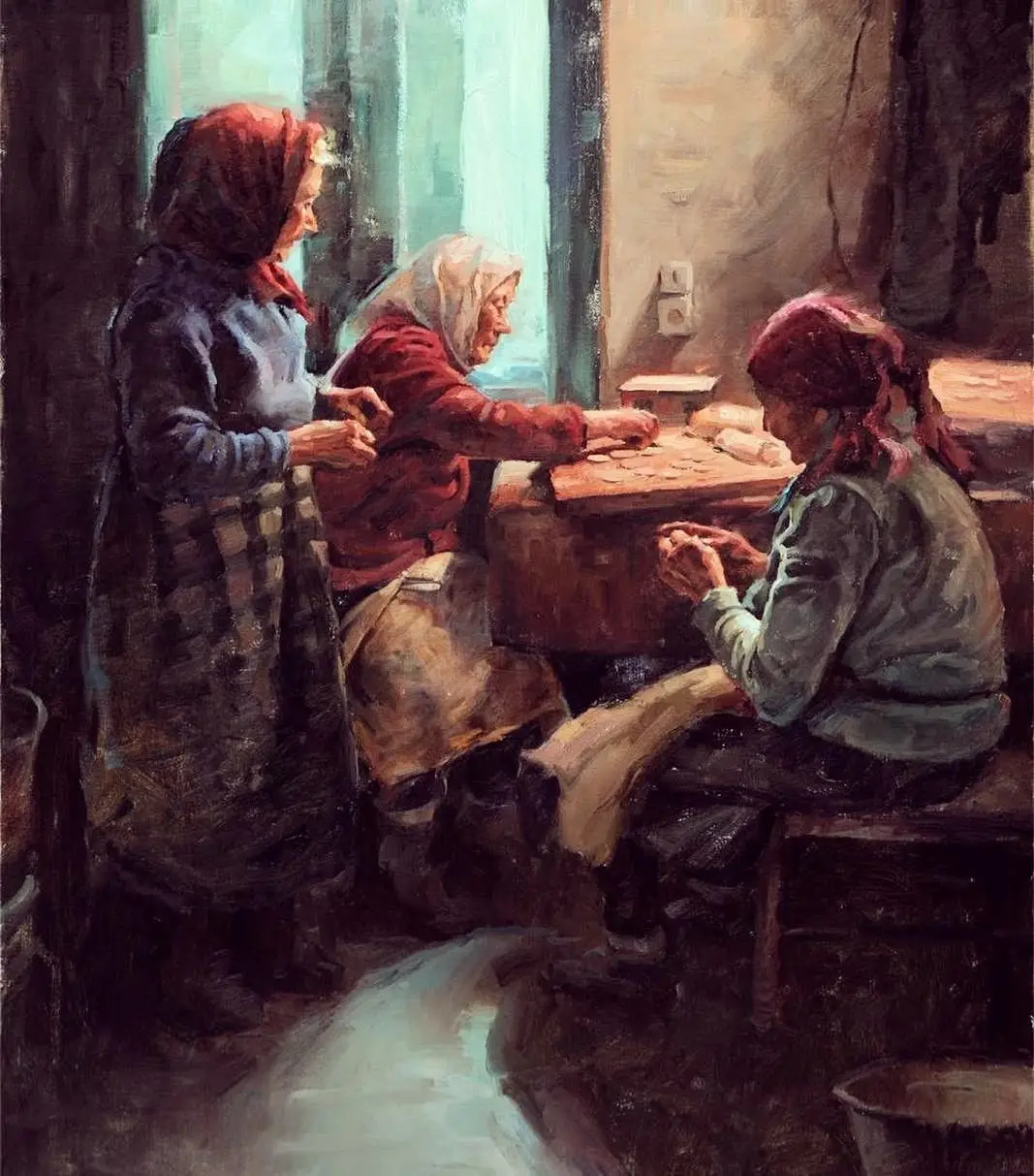
Ultimately, the dumpling is more than a dish – it is a living archive of human connection.
The Map
Russia
Pelmeni are classic Russian comfort dumplings made from thin, unleavened dough filled with a savoury mix of beef and onions, and other meats. They are traditionally boiled and served with butter or sour cream, often finished with fresh dill and black pepper.
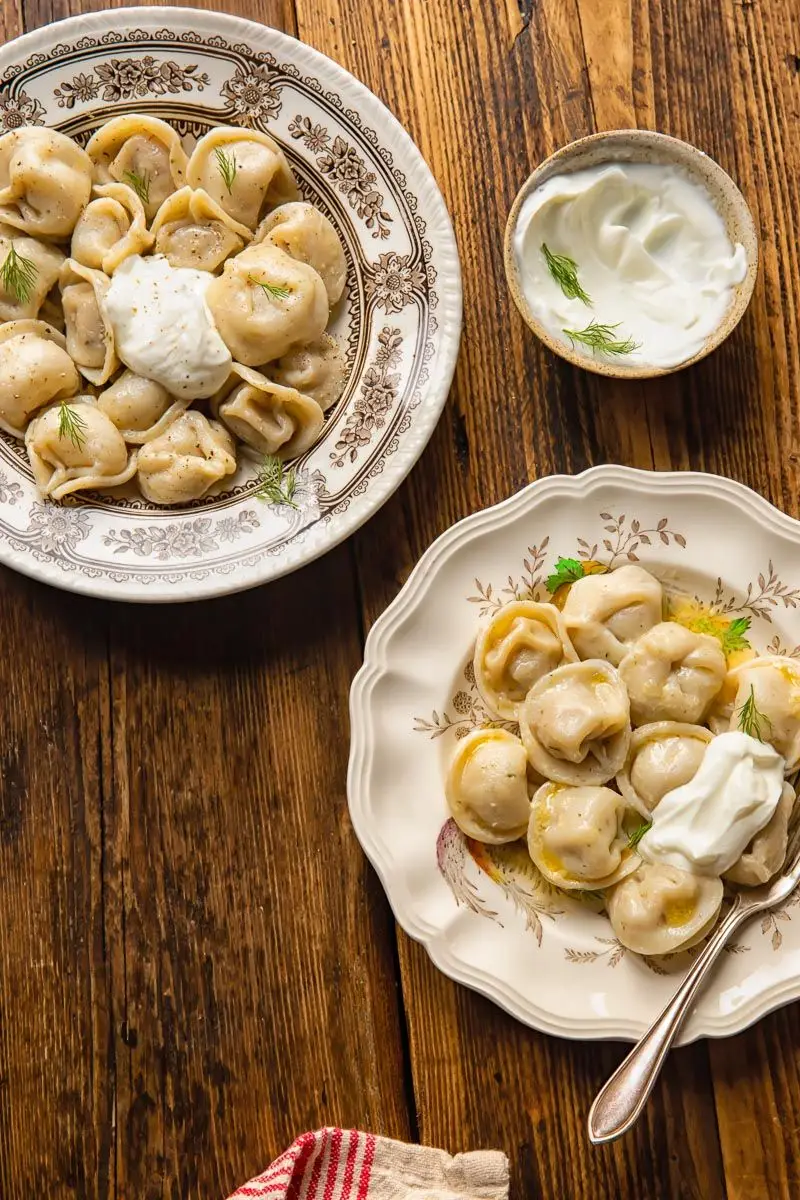
Originating in the Ural region and strongly tied to Siberian food culture, pelmeni were historically prepared in large batches during harsh winters. The freezing temperatures naturally preserved them outdoors, allowing families to store and cook them as needed. Making pelmeni is also a communal tradition, often shared among family and friends.
China
Xia Long Bao are perhaps the most famous soup dumplings originating from Nanxiang in Shanghai, China. This a delicate, steamed dumpling is traditionally filled with meat and rich broth encased in a thin wheat wrapper. The soup is created by adding gelatinised stock to the filling, which melts during steaming.
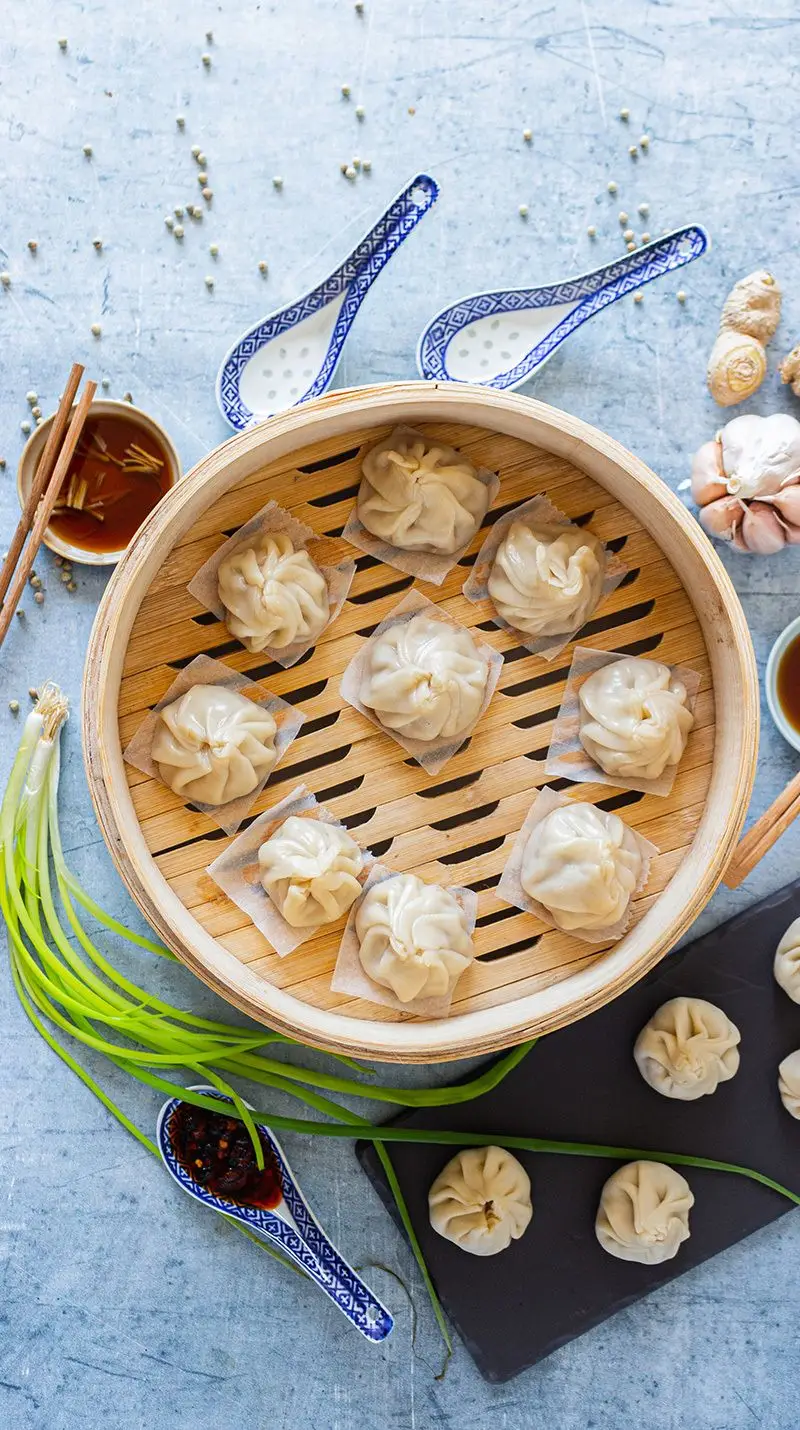
Served in bamboo steamers, xiao long bao is best enjoyed carefully to avoid spilling the hot broth. Diners typically lift the dumpling onto a spoon, nibble a small opening, sip the soup, then eat the rest with vinegar and ginger.
South Korea
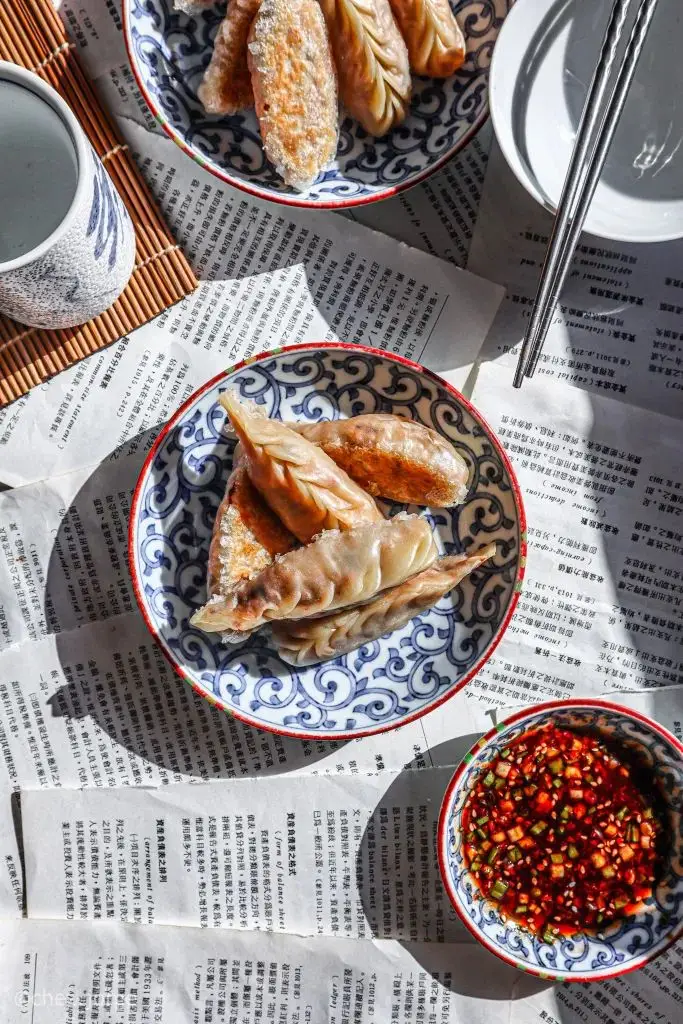
Kimchi Mandu are traditional Korean dumplings known for their savoury, flavourful filling. They are typically made with ground meat, kimchi, glass noodles, tofu, bean sprouts, chives, onion, garlic, ginger, and seasonings such as soy sauce, sesame oil, gochugaru, salt, and pepper. These dumplings can be steamed, boiled, pan-fried, or deep-fried, making them a popular comfort food enjoyed throughout South Korea.
Japan
Gyoza are one of Japan’s most popular dumplings, with Yaki-Gyoza (pan-fried gyoza) being the most common variety. They are first lightly fried in a pan, then steamed by adding water and covering the pan with a lid. Once the water evaporates, the dumplings are cooked further until the bottoms become golden and crispy.
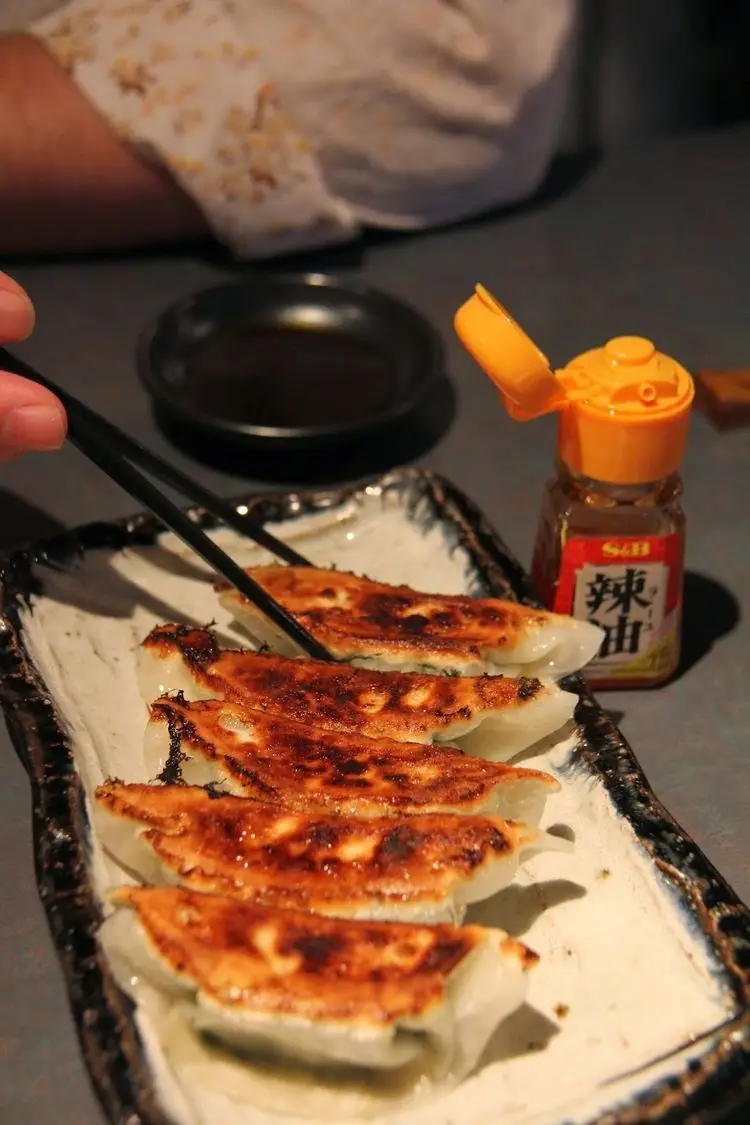
Traditional gyoza are typically filled with a mixture of minced meat, cabbage, and mushrooms, although variations may include seafood, lamb, tofu, or seasonal vegetables. They are often served with soy sauce, while ponzu sauce offers a refreshing citrus-flavored alternative for dipping.
India
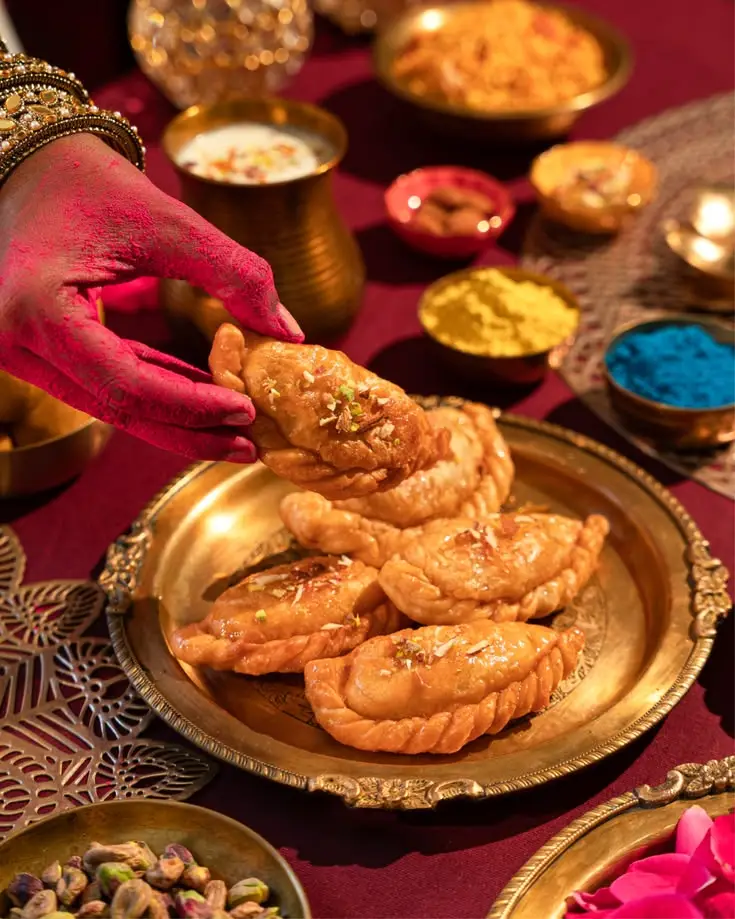
Gujiya is a traditional Indian sweet dumpling that is especially popular during the festivals of Holi and Diwali, symbolising festivity and indulgence. It features a crisp, flaky pastry shell made from all-purpose flour and is deep-fried until golden brown. The dumpling is filled with a rich mixture of sweetened khoya, nuts, and dried fruits, giving it a deliciously indulgent flavor.
Nepal
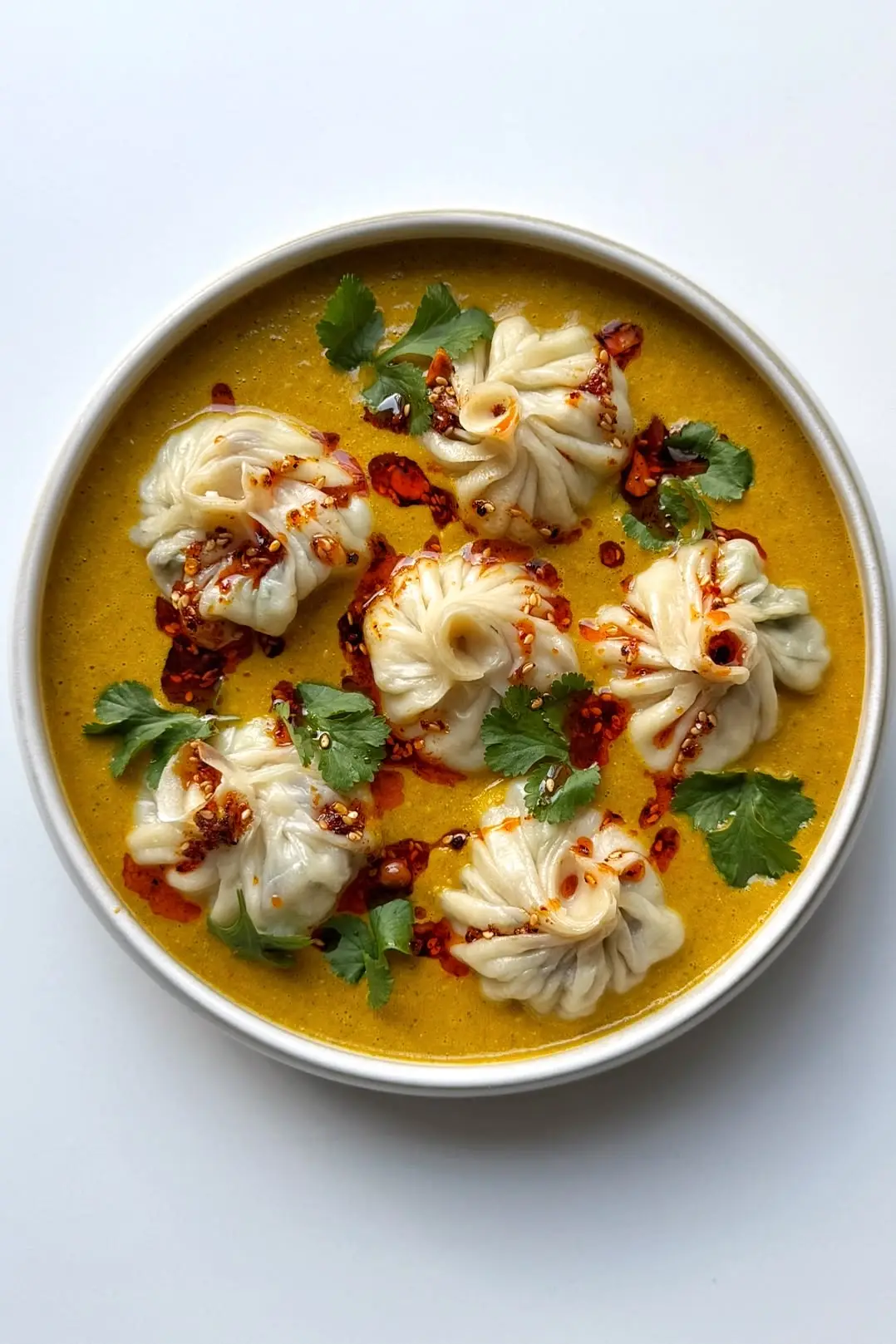
Momo are Nepalese steamed dumplings traditionally served with a fiery tomato chutney called Achaar. This handheld street food favourite is also consumed in Tibet and areas of India, with the specific recipe based on the traditional dish made in Nepal – served with chili garlic sauce, pickled daikon, or the jhol sauce, a tomato-based sauce with a load of aromatics.
Afghanistan
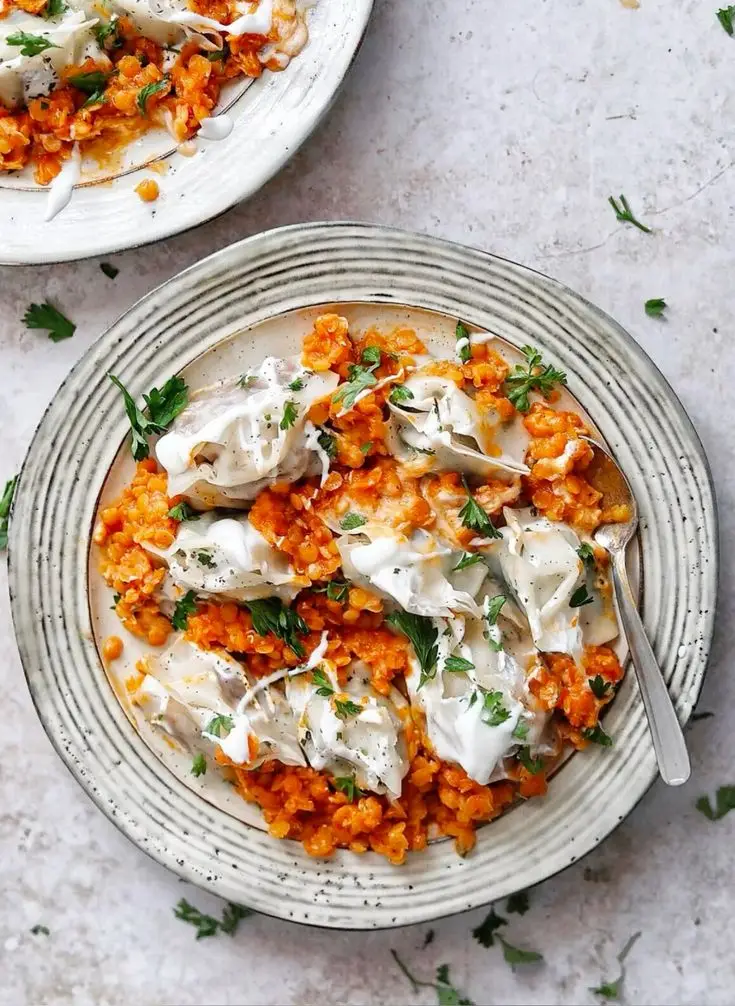
Mantu is a traditional Afghani dish that traces its origins to Central Asia’s ancient Silk Road. This beloved dish features meat-stuffed dumplings that are a highlight of communal celebrations, symbolising the warmth of Afghan hospitality.
Nigeria
The name Danwake literally translates to ‘Son of Beans,’ making Danwake a traditional dish from Northern Nigeria. On its own, Dan Wake has a mild, neutral taste, much like fufu-based meals, and depends on accompanying sauces or side dishes for flavour.
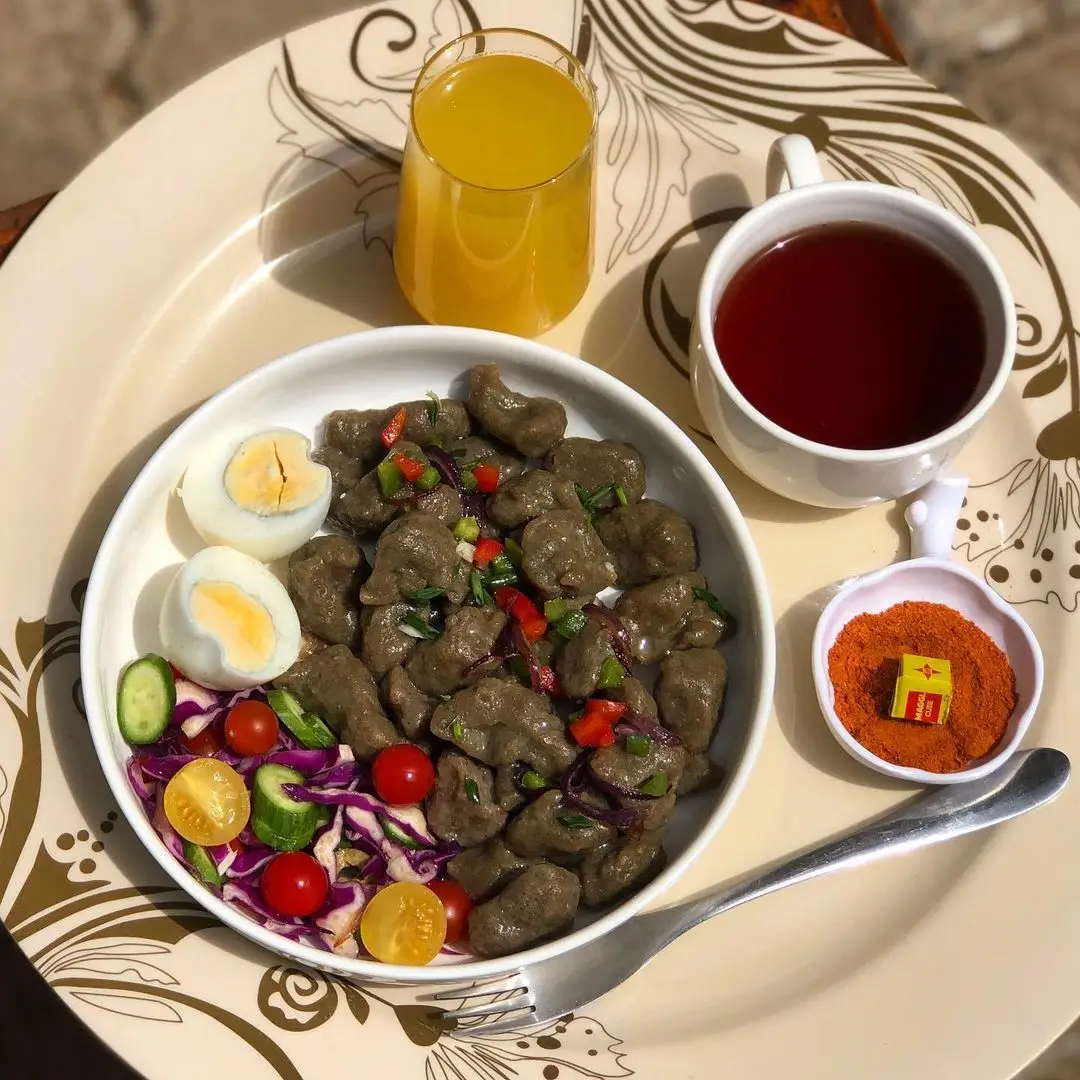
It is commonly paired with ground cayenne pepper (yaji) or suya spice. Other popular accompaniments include hard-boiled eggs and sautéed vegetables such as onions, cabbage, and tomatoes. Some people also enhance its flavour by sprinkling crushed stock cubes over the dish.
Italy
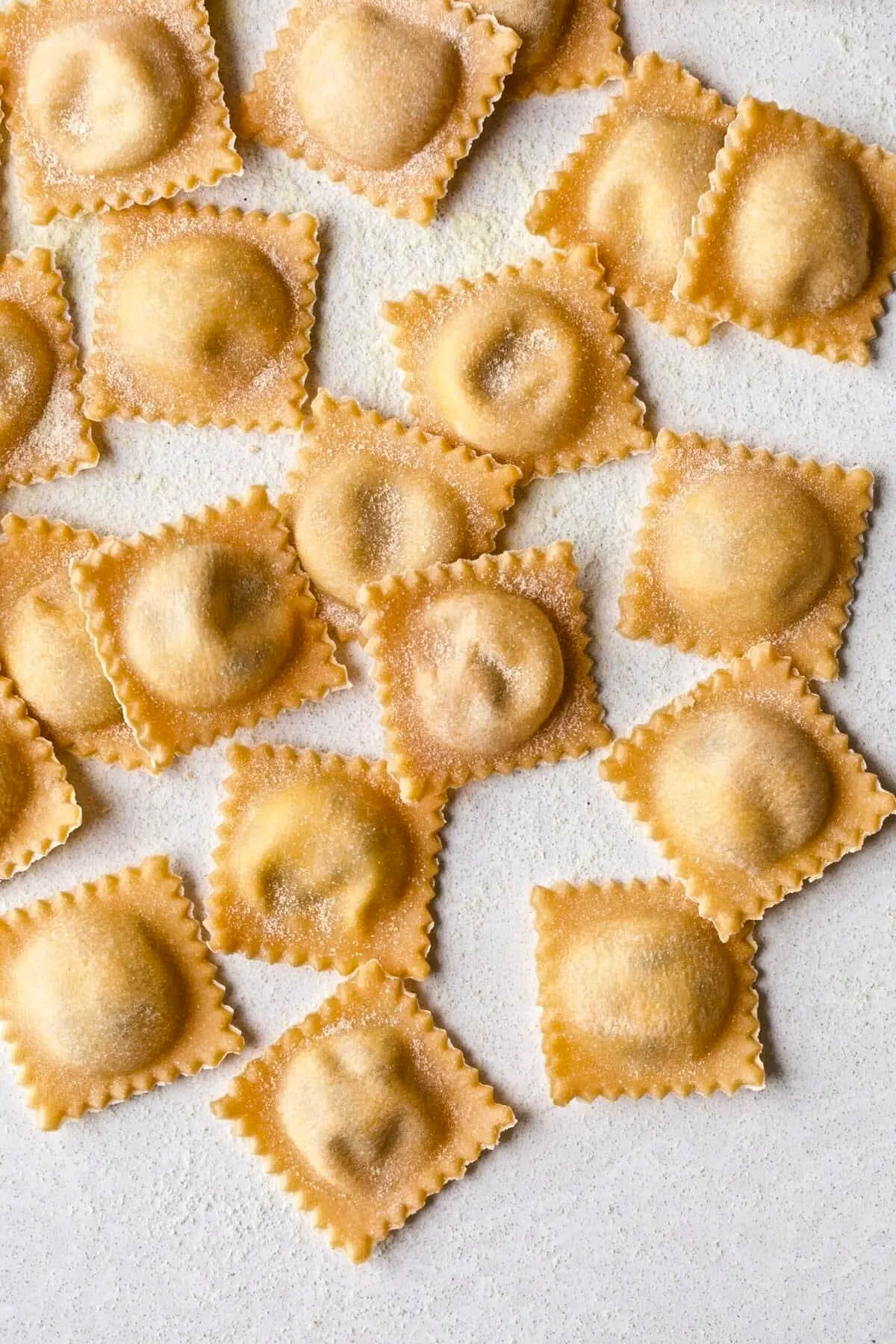
Ravioli and tortellini are two of Italy’s most popular stuffed pastas. Made from thin egg-based dough filled with meat, cheese, or vegetables, they highlight Italy’s rich culinary traditions. Ravioli are usually square or round and served with various sauces, while tortellini are ring-shaped and traditionally filled with meat and cheese. Both are beloved for their comforting taste and versatility.
Germany & Austria
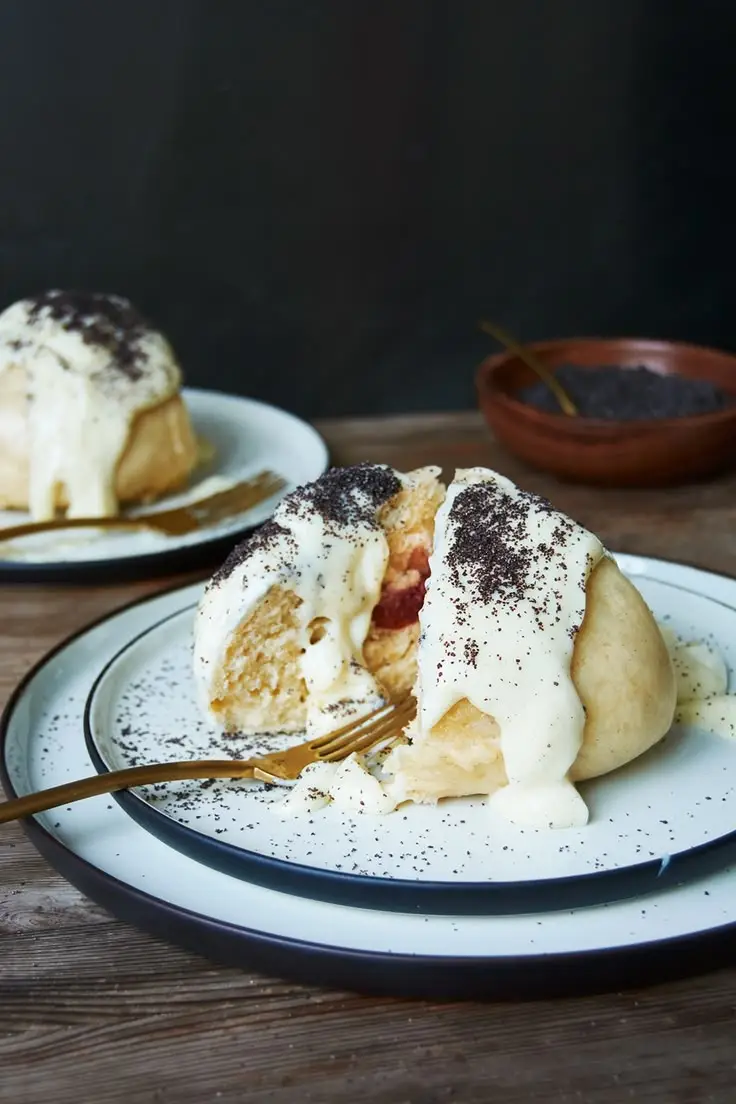
Germknödel is an Austrian filled sweet dumpling, eaten mostly at Christmas Markets in Germany and Austria. The dumpling texture is fluffy and soft, and served with vanilla sauce. The dumpling itself is filled with homemade plum jam (Powidl), often topped with a sprinkling of poppy seeds and sugar. It was originally invented to be eaten as a main dish during Lent, where Catholics are not permitted to eat meat.
Poland
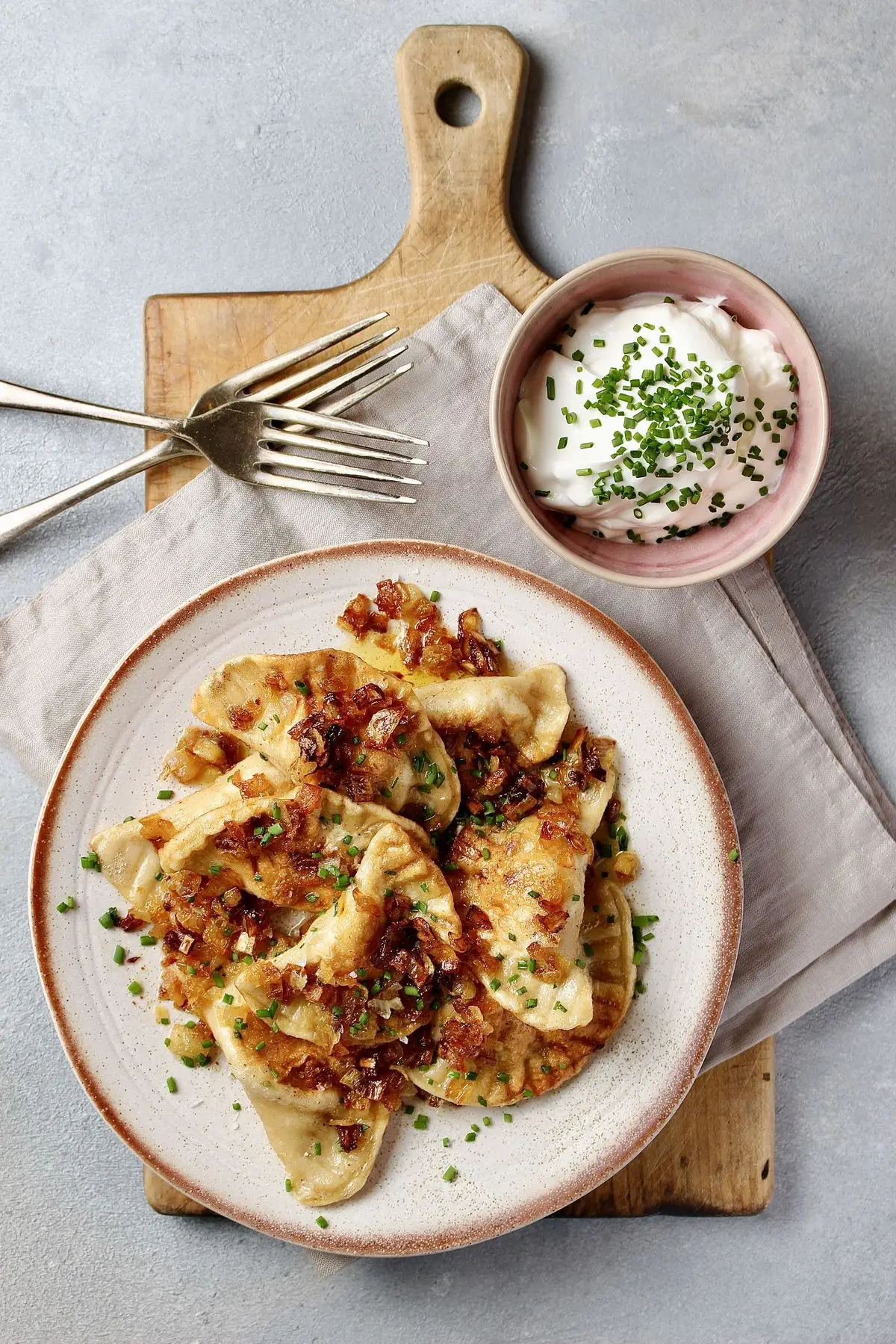
Traditional Polish pierogi are half-moon-shaped dumplings made from unleavened dough, typically boiled and sometimes pan-fried for a crispy finish. They are commonly filled with potato and cheese, minced meat, sauerkraut, or mushrooms, though sweet varieties filled with fruits are also popular. Pierogi are a staple of Polish cuisine and are often served with toppings like sour cream, fried onions, or bacon bits. They are especially popular during family gatherings, holidays, and festive celebrations.
Turkey
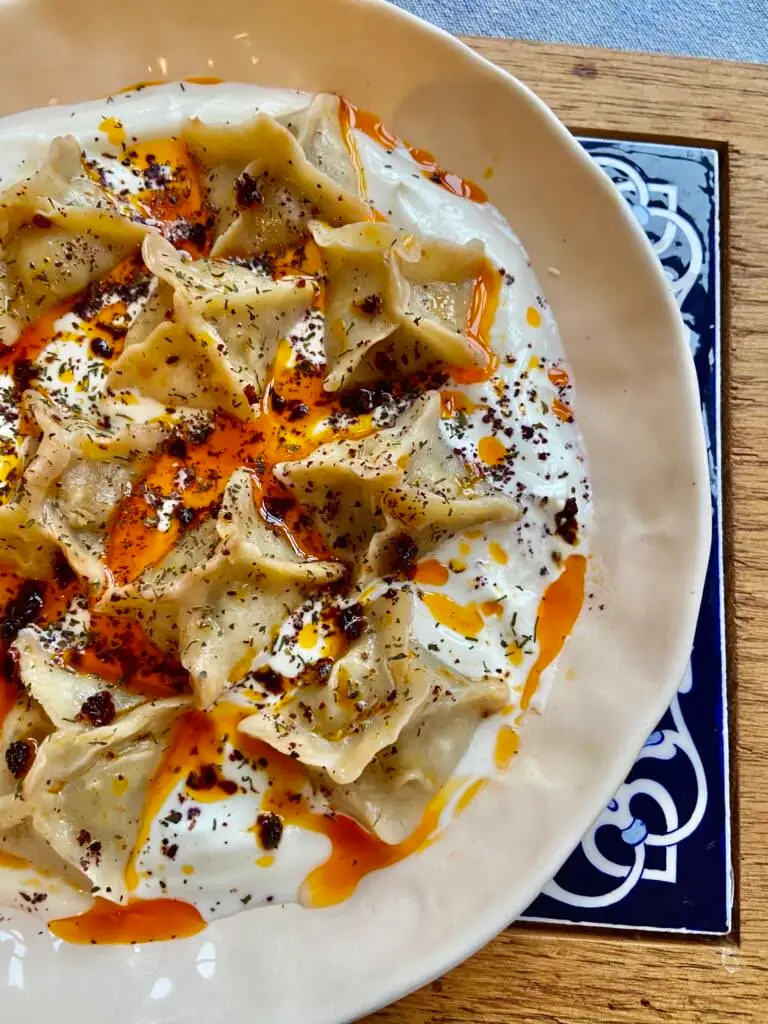
Manti are miniature, tender dumplings typically filled with spiced ground lamb or beef, boiled, and dressed in a cooling garlicky yogurt, rich browned-butter infused with Aleppo pepper, and a tangy tomato paste reduction.
The name ‘manti’ in Turkish comes from the Mongolic word ‘mantuu,’ which means ‘steamed bun’ or ‘dumpling.’
Georgia
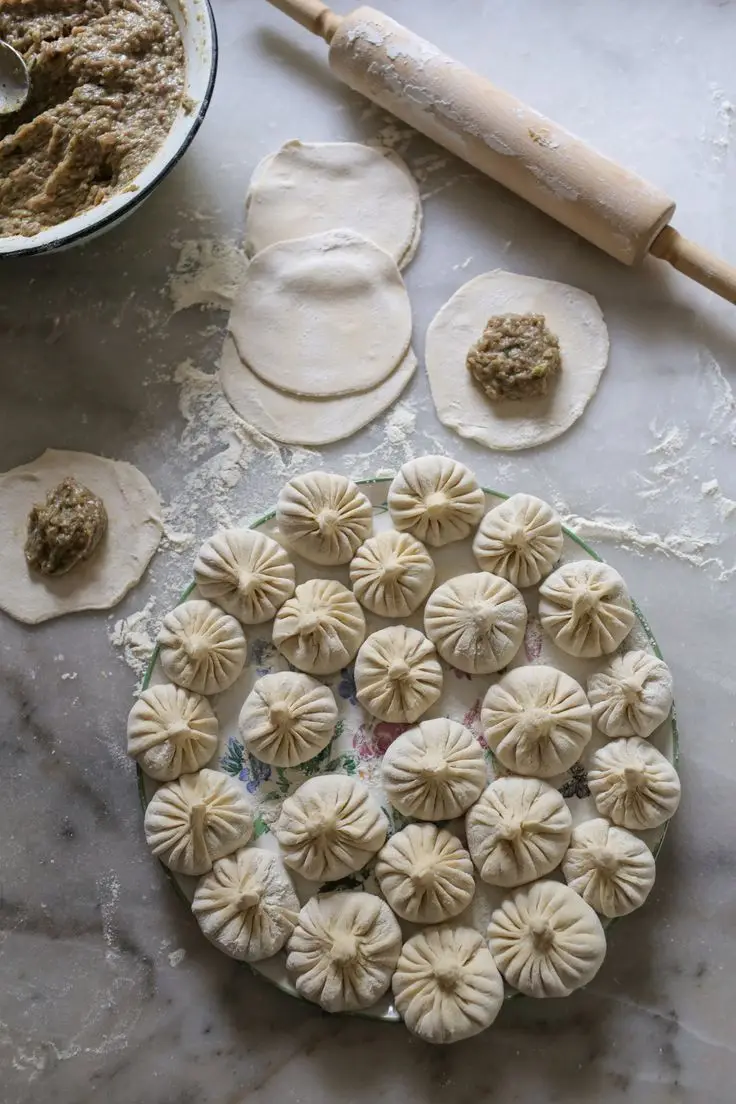
Khinkali are large, twisted dumplings that are considered one of Georgia’s most iconic dishes. They are traditionally filled with seasoned meat, such as beef or lamb, along with onions, herbs, and spices, which create a rich, flavourful broth inside during cooking. Eating khinkali is a unique experience – the dumpling is usually held by its top knot, and the broth is sipped before taking a bite. Popular throughout Georgia, they are often enjoyed at family gatherings, celebrations, and traditional feasts.
Brazil
Coxinha is one of Brazil’s most beloved snacks. Traditionally shaped like a teardrop or chicken drumstick, it is made from a soft dough filled with shredded chicken and a traditional cheese called katupiry, a popular Brazilian soft cheese known for its rich, smooth texture. The dumplings are coated in breadcrumbs and deep-fried until golden and crispy on the outside while remaining soft and flavourful inside.
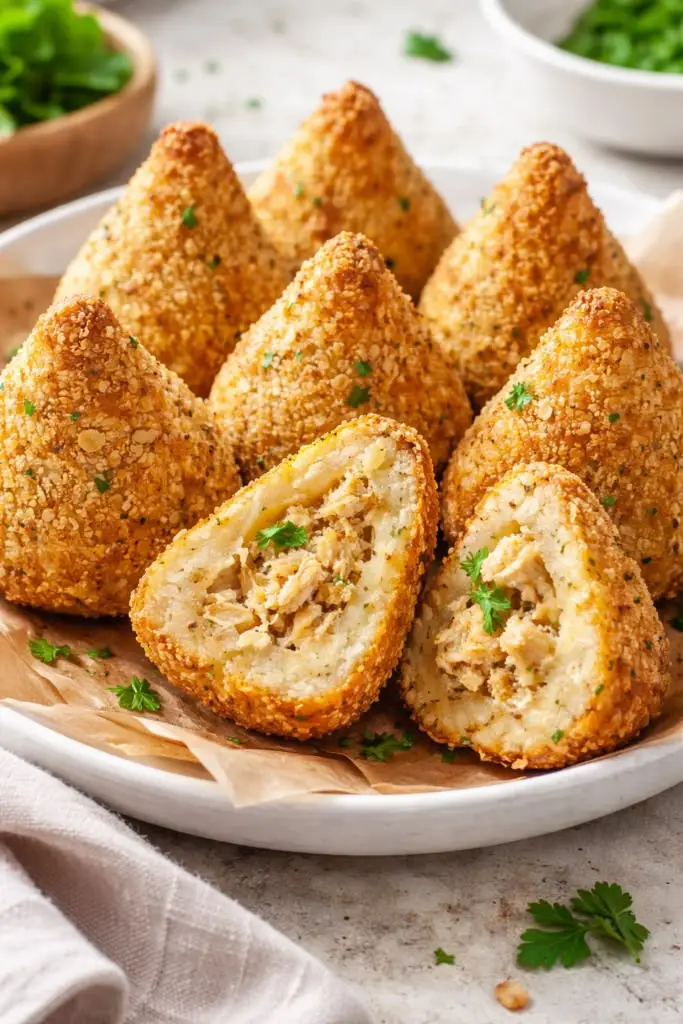
Image credit: Pinterest/ Lead Image by Cindy Niu

Afra Rehman is a writer whose work explores culture, travel, lifestyle, the arts, and the stories that shape everyday life. She is drawn to the people, places, and ideas that inspire connection, creativity, and self-expression. Through thoughtful storytelling and a curious perspective, she captures both meaningful experiences and the small moments in between, bringing readers engaging narratives that are honest, relatable, and insightful.