A tale as old as time
In many kitchens, spice is more than just, well, spice.
It is character. It is preserving identity. It is reclaiming power.
Sumac, a staple in the Middle Eastern pantry, is perhaps the best example of that. Belonging to a land that has fought for generations to protect it, this is not just flavour to be sprinkled over food. It is a tool of individuality, dating back millennia and used by ancient civilisations like the Babylonians, Greeks, and Romans for their citrusy tang.
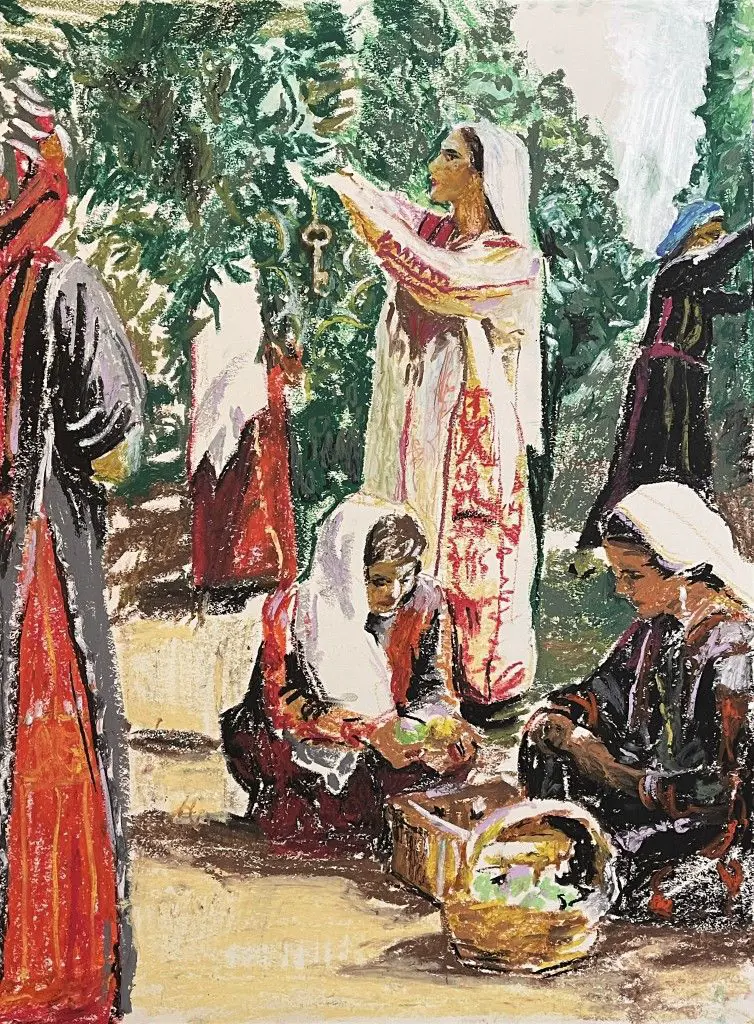
The name sumac comes from the Aramaic word summaq, meaning ‘dark red’, alluding to its rich shade. During the peak of the Ottoman Era, as the Empire expanded, sumac became a highly traded commodity across regional spice routes. It spread through the Middle East, and is used across the region.
Chef Salam Daqqaq of Bait Maryam and Sufret Maryam knows this story all too well. She has lived it growing up, and continues to live it through her culinary journey – this is what she has to say about it.
What is the importance of sumac in Middle Eastern cooking and culinary history?
Sumac is one of those ingredients that tells a much bigger story than its size would suggest. It has been part of Middle Eastern cooking for centuries, long before lemons became as widely available as they are today. Its natural acidity made it an important way to bring brightness and balance to food, but over time it became much more than that. It became part of the flavour language of the region.

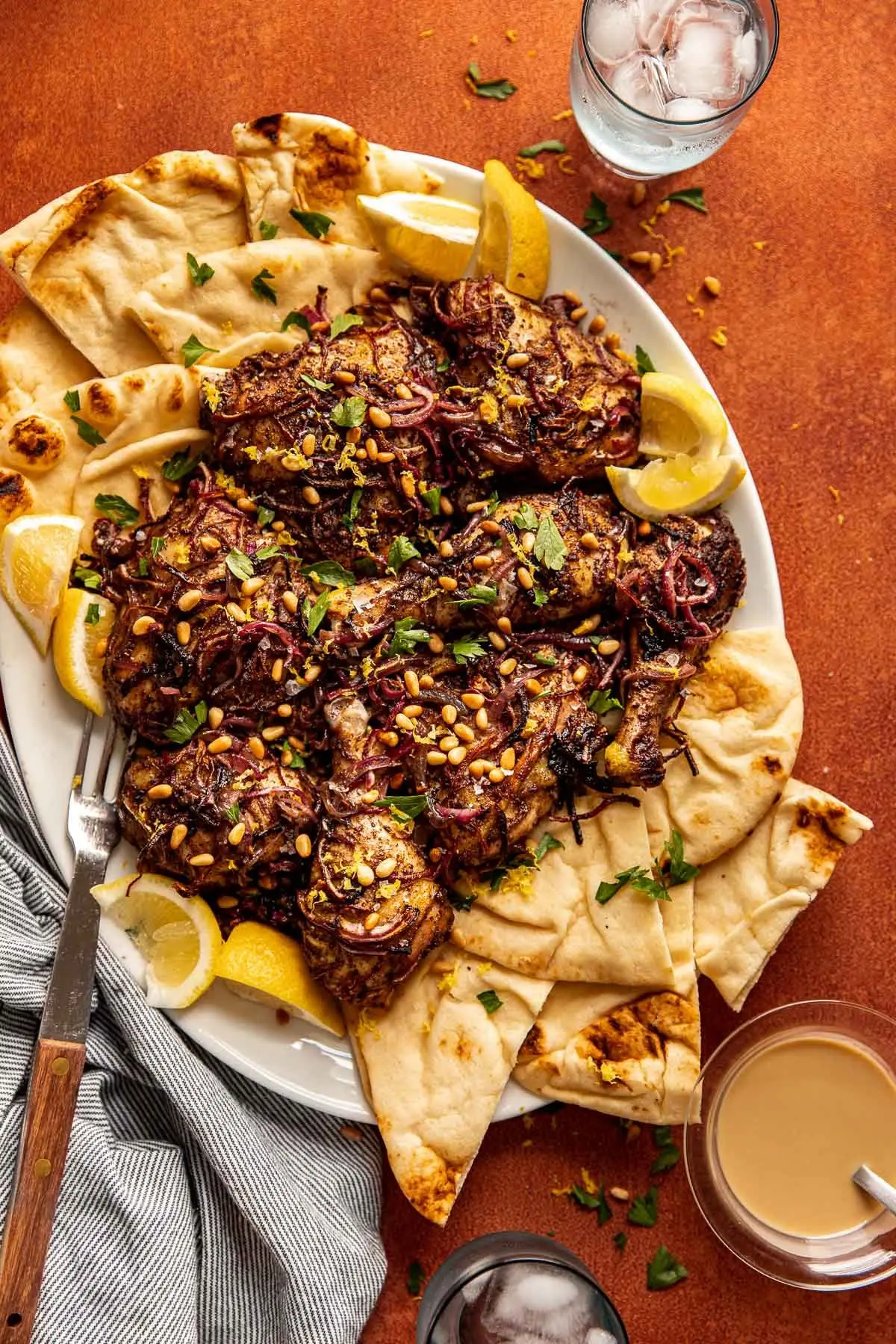
In Palestinian and Levantine cooking especially, sumac is deeply woven into dishes such as musakhan, where it is not simply a seasoning added at the end. It is one of the main flavours of the dish, mixed generously with onions and olive oil. For me, that is what makes sumac so important. It connects our food today to the way generations before us cooked, using what grew around them and creating dishes that were simple, intelligent and full of character.
What is the flavour profile of sumac, and what does it add to a dish?
Sumac has a beautiful tartness, almost lemon-y, but it is softer and more complex than simply adding lemon juice. There is a slight fruitiness to it and an earthy depth that gives food brightness without overpowering it.
What I love most is the way it wakes up a dish. It can cut through richness, lift grilled meats, brighten salads and bring a beautiful freshness to vegetables and grains. Even a small amount can change the whole character of a plate. It adds acidity, of course, but also colour, aroma and a certain warmth that is very distinctive to our cuisine.
How have you seen sumac being used in your own home growing up?
Growing up, sumac was never treated as something special or unusual. It was simply part of the kitchen, part of everyday life. I remember it most in musakhan, where sumac is used so generously that its aroma fills the kitchen. That flavour is one of those things that immediately takes me home.
But it was also used very naturally and instinctively. A little over a salad, with zaatar, alongside grilled food, or wherever something needed acidity and life. Our mothers and grandmothers did not always cook with measurements. They cooked by taste, by smell and by memory. Sumac was part of that instinct. You knew when a dish needed more because you understood what the flavour should feel like.
How have you taken inspiration from that to add to your own dishes?
My cooking has always been inspired by memory. I do not want to change an ingredient like sumac so much that it loses its identity. I want to respect where it comes from and then find ways to let people experience it, sometimes in a familiar form and sometimes in a way they may not expect.

I often think about the balance I grew up with, how sumac could bring life to something as simple as warm bread, grilled meats, fresh vegetables or a home cooked meal shared around the table. These combinations teach you a lot about cooking because they show how acidity can create harmony in a dish. In my own food, I use sumac to bring that same brightness and balance, but also to create an emotional connection. Sometimes one taste can bring back a whole table, a person, a place or a moment. That is always what I hope my food can do.
Besides culinary use, what is the cultural significance of the spice?
For me, sumac carries memory. It is connected to the land, to family kitchens and to recipes that have travelled from one generation to the next. Across the Levant, and particularly for Palestinians, ingredients are often more than ingredients. They become a way of preserving identity.
When people are separated from their homes or when families move across borders, food becomes one of the things they carry with them. A spice like sumac can bring back the smell of a kitchen, the taste of a family meal or the memory of someone who used to cook for you. This is why I believe preserving these ingredients and the stories around them matters.
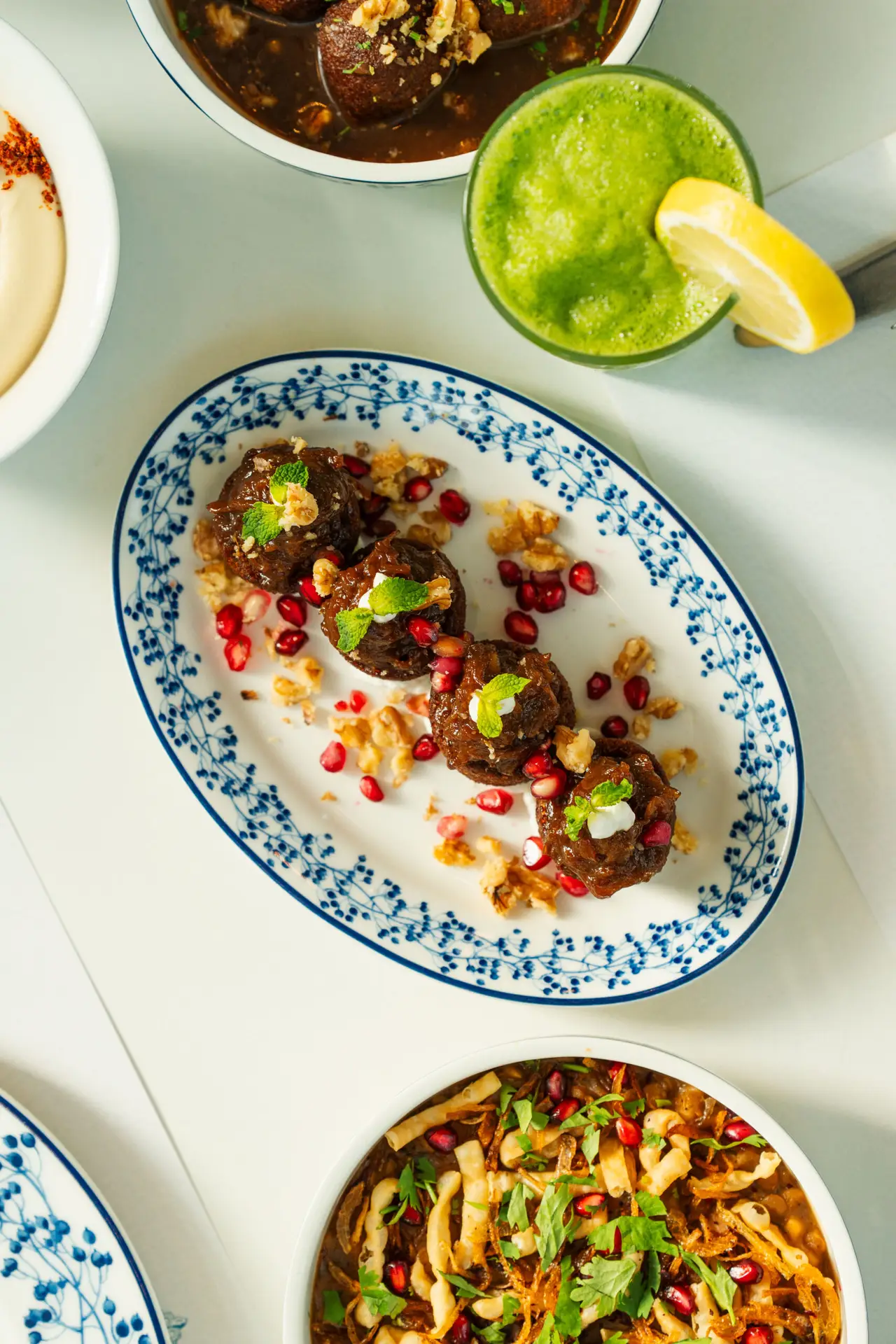
Sumac is also a reminder of how closely our cuisine is tied to the land and to seasonality. It reflects generations of knowledge about what grows locally and how to use it. So when I cook with sumac today, I am not only adding flavour. I am continuing a story, and I feel a responsibility to tell that story with honesty and respect.
Image credit: Supplied/Pinterest

Deeply passionate about food, culture and community, Manaal loves telling extraordinary stories of ordinary people. Besides sniffing out a tale to tell, her favourite things to do include binging true crime documentaries, chasing cats on the streets and curating a good outfit.