The cake artist talks feeling, flavour and going back to the basics
Few truly understand the joy of good cake like Nadia Parekh does.
The pastry chef lives, breathes and dreams luscious layers, and if you’ve spent any amount of time on Dubai-gram, you may have come across one of her stunning creations – works of art, brought to life with love and labour to celebrate someone’s special moment.
Parekh has been whipping up artisanal sweet treats for the if-you-know-you-know crowd for almost a decade. After switching to culinary from clinical psychology, she made her way through some of the world’s most acclaimed pastry kitchens, working with masters of the craft, and eventually established Mélange, a name with legend and legacy of its own that served the city for many years with memorable slices.
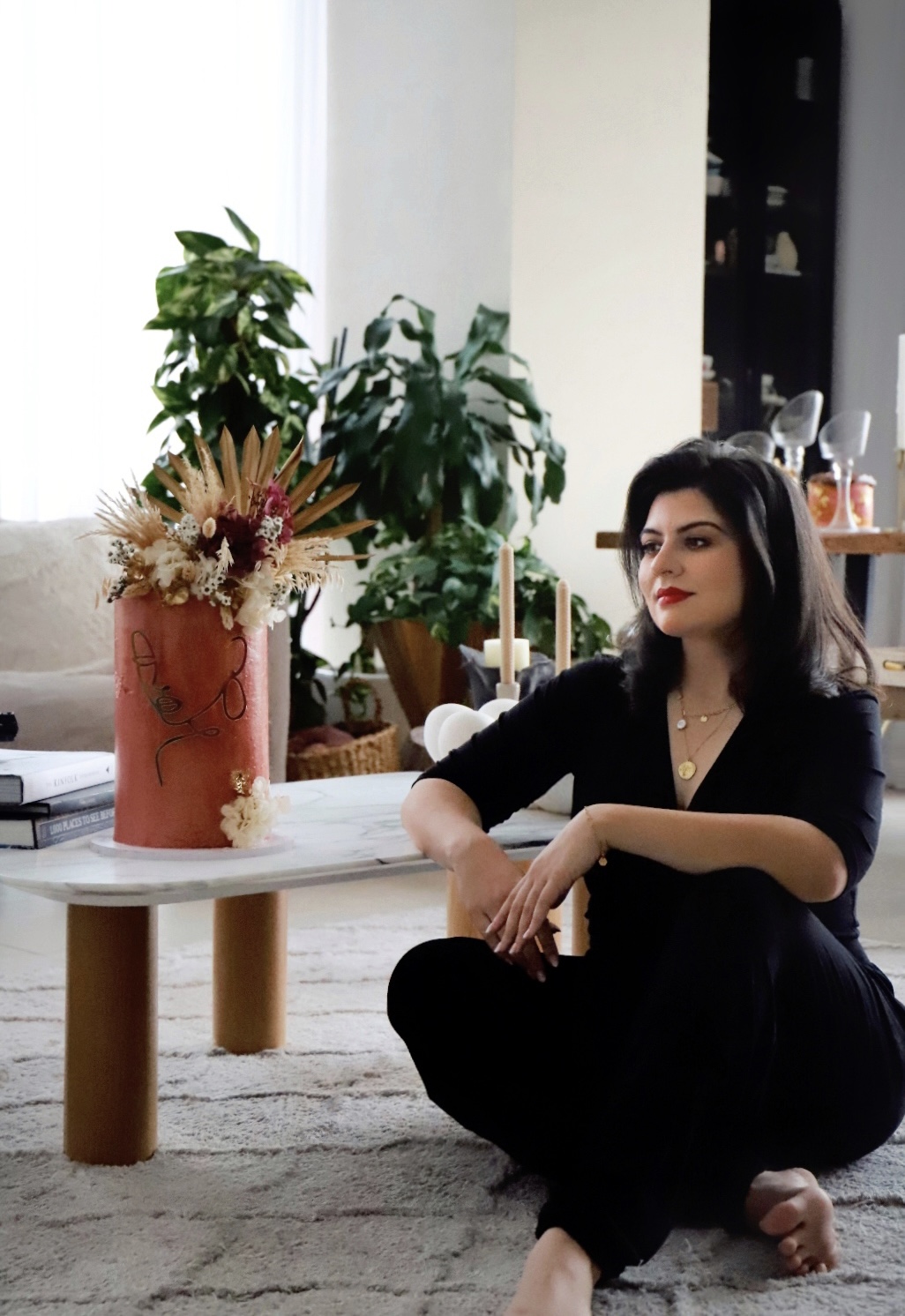
Now, FAIM is her newest butter-laden venture, and we sat down with her to talk about this fashionable, flavour-forward story, the anatomy of cake making and just how good a simple slice of chocolate cake is.
Tell us a little bit about your journey into pastry.
I started baking very young, initially just out of curiosity and comfort more than ambition. I’ve always been drawn to things that felt expressive and tactile, art, design, fashion, texture, and pastry became the medium where all of those things could coexist. What began as baking at home slowly turned into something much more serious.
I eventually trained professionally and spent years deep in the technical side of pastry, which gave me a strong classical foundation. But I think what really shaped my style was learning how to balance precision with emotion. I was never interested in making desserts that were just beautiful to look at. I wanted them to make people feel something.
That eventually led to Mélange, which I started from my home kitchen in 2015, and now to FAIM, which feels like a more evolved, more honest version of my creative voice.
What was the idea behind FAIM? How is it different from your previous concept, Mélange?
FAIM came from wanting to build something more instinctive, more emotionally driven, and creatively freer. ‘Faim’ means hunger in French, but the brand isn’t really about appetite. It’s about wanting more. More feeling, more flavour, more honesty.
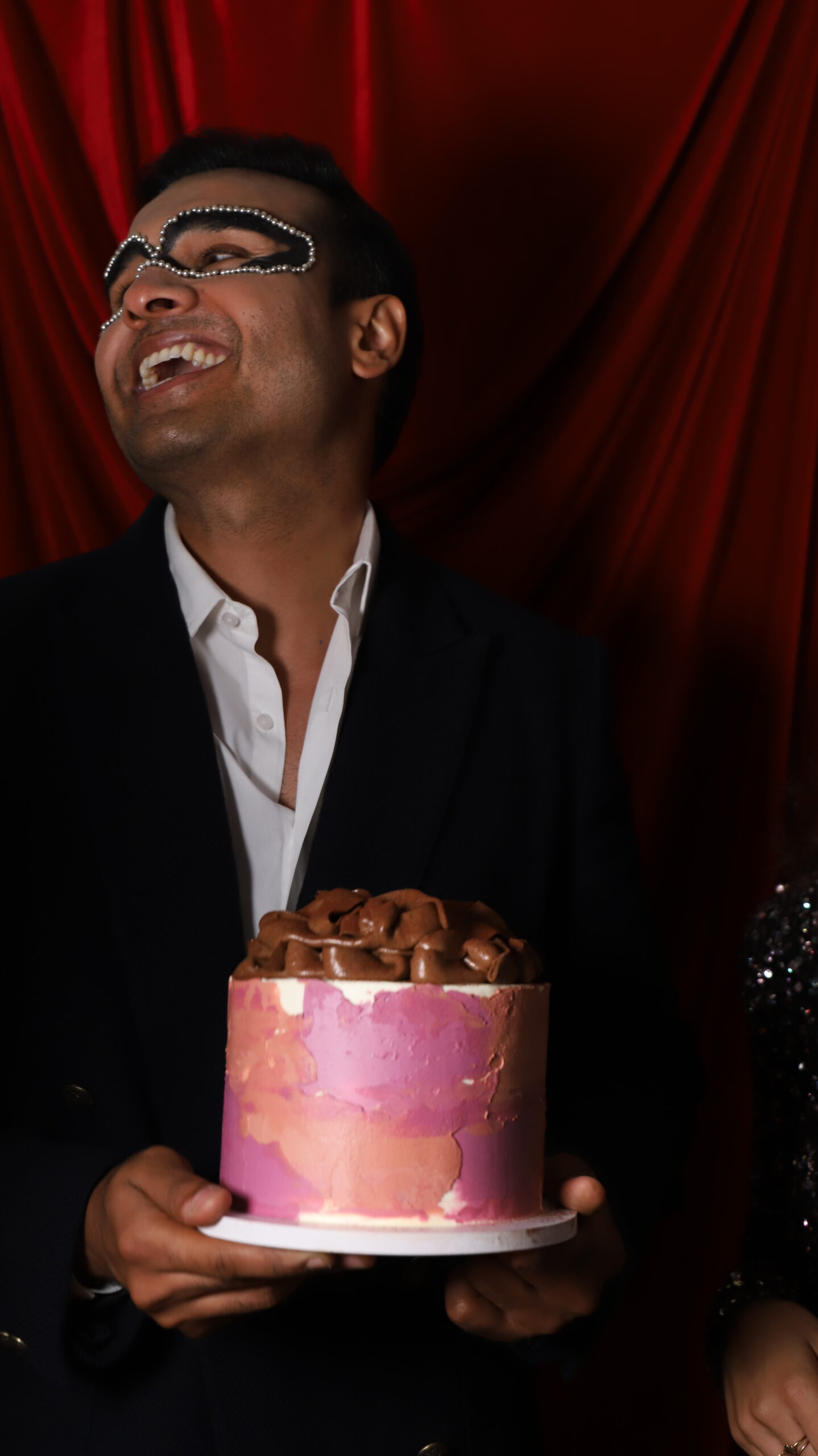
Mélange was incredibly formative for me. It grew alongside me for almost a decade and taught me everything about building a brand, leading creatively, and understanding what people emotionally connect to when it comes to food. But FAIM feels bolder and more self aware. It’s less polished in the performative sense and more intentional in the emotional sense.
The aesthetic is more fashion influenced, the storytelling is sharper, and the products are designed to feel almost conversational, which is why we use phrases like ‘cake confessionals.’
How do you approach conceptualising a new cake flavour or pastry?
Usually it starts with a feeling before it starts with an ingredient. I think a lot about memory, nostalgia, texture, and mood. Sometimes a flavour combination comes from something very personal, a drink, a city, a fabric, a film, a scent, even lighting or music.
I’m very inspired by fashion and visual culture, so I often approach cakes almost the way a designer approaches a collection. There’s structure, silhouette, balance, contrast, tension.
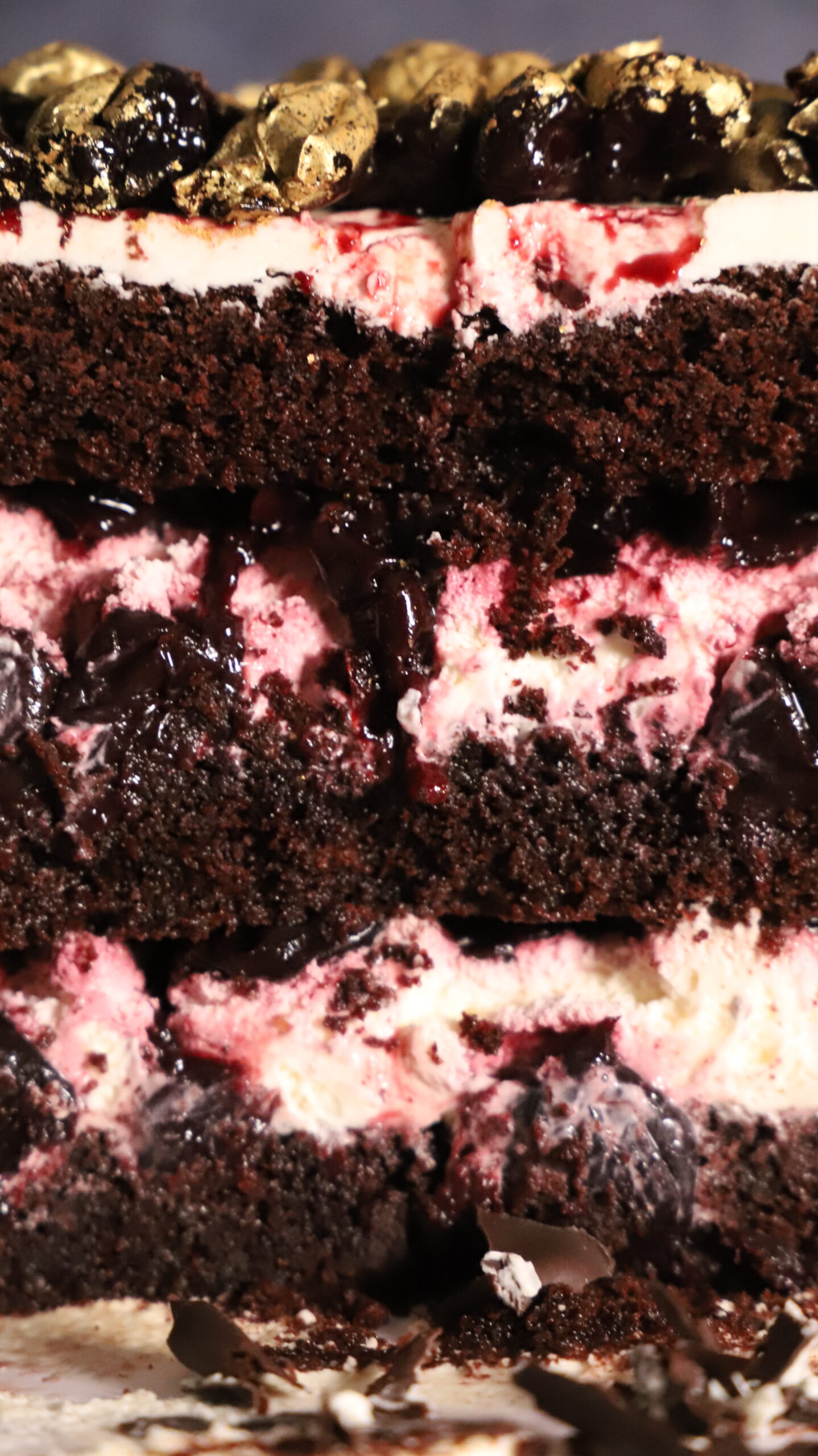
But flavour is always the priority. I’m not interested in creating something visually interesting if it doesn’t taste incredible. In fact, lately I’ve been moving away from overcomplicated desserts. I’m much more interested in elevated but familiar flavours, things people emotionally recognize immediately. A really good chocolate cake will always beat a technically impressive dessert that nobody actually wants a second bite of.
Texture also plays a huge role for me. I think people underestimate how emotional texture is in food. Softness, crunch, creaminess, warmth. Those things trigger memory very quickly.
In recent times there has been a huge surge of trend based baking, flavours like Dubai Chocolate, Pistachio Kunafa, dream cakes and so on. As someone who comes from a more classical pastry background, how do you feel about trends?
I think trends are interesting because they reflect what people are emotionally craving at a particular moment. Food trends are rarely just about flavour. They’re about culture, comfort, escapism, identity, nostalgia, social media, all of it.
As someone with a classical background, I don’t necessarily see trends as something negative. I think the important thing is intention. There’s a difference between chasing virality and interpreting a trend through your own creative lens.
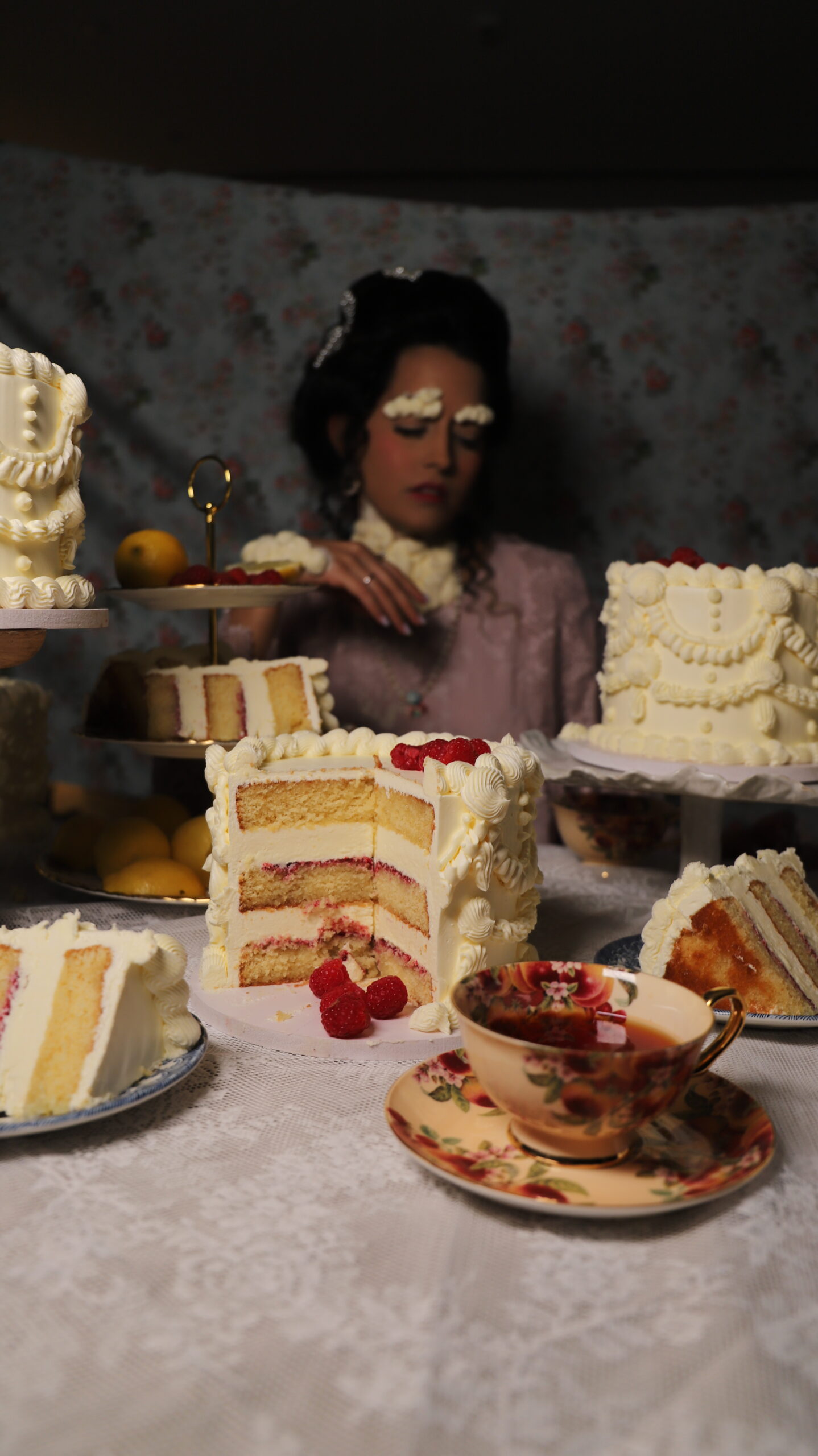
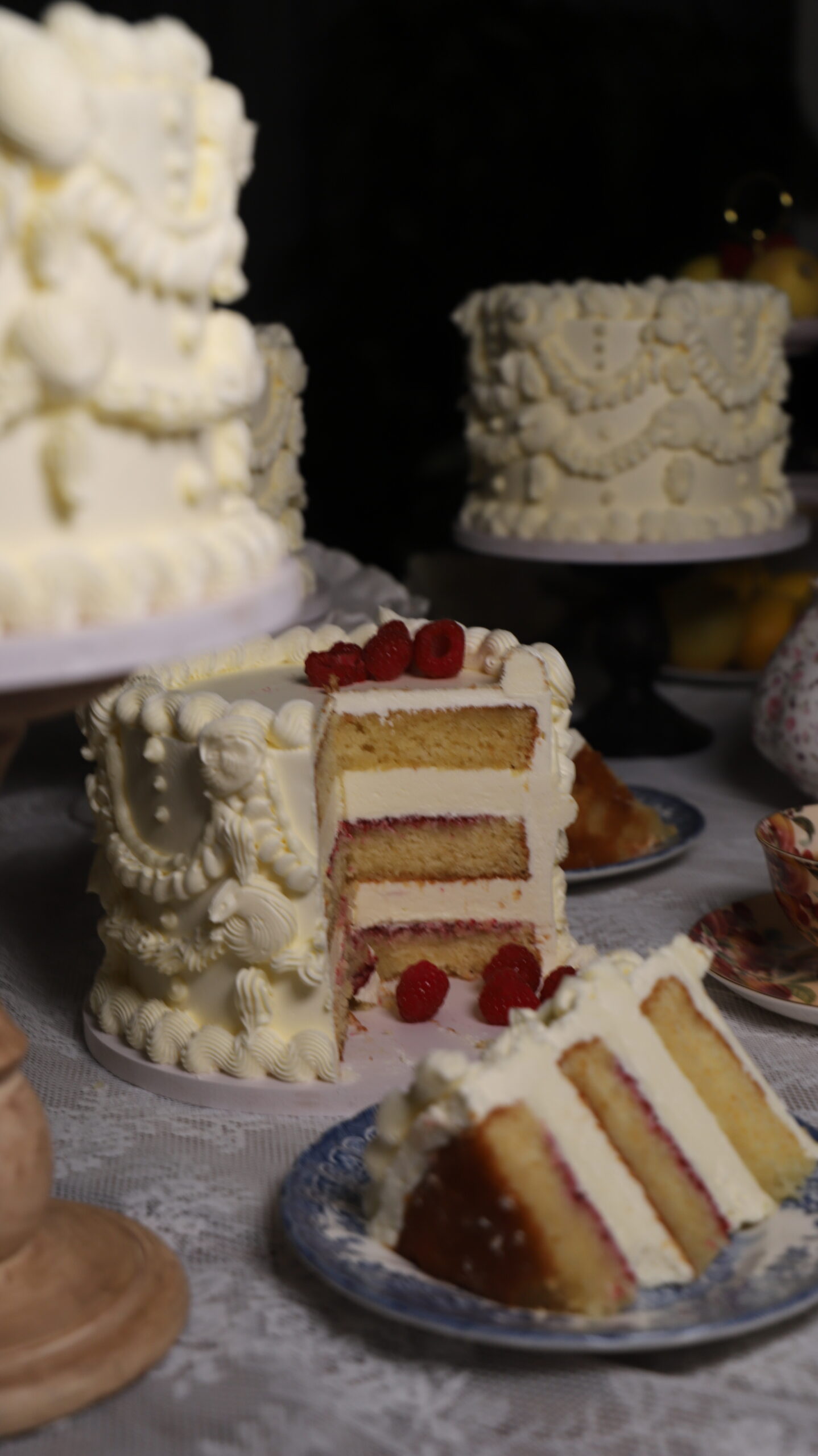
For me personally, I’m less interested in novelty for the sake of novelty. I gravitate toward desserts that feel timeless, even when they’re trend aware. I think people are slowly moving toward desserts that are less formal, less intimidating, and more emotionally satisfying.
At the end of the day, trends come and go, but flavour memory stays. That’s what I care about most.
You create complex, artistic cakes – what are some of the toughest parts of the process?
The hardest part is balancing artistry with functionality. A cake still has to travel, hold structure, survive Dubai weather, slice properly, and taste good, all while looking effortless. People often only see the final product, but there’s a huge amount of engineering and problem solving behind artistic cakes.
Another challenge is that custom cakes are incredibly emotional purchases. People order them for weddings, birthdays, milestones, heartbreaks, reunions, very personal moments. So there’s a responsibility attached to them beyond just aesthetics.
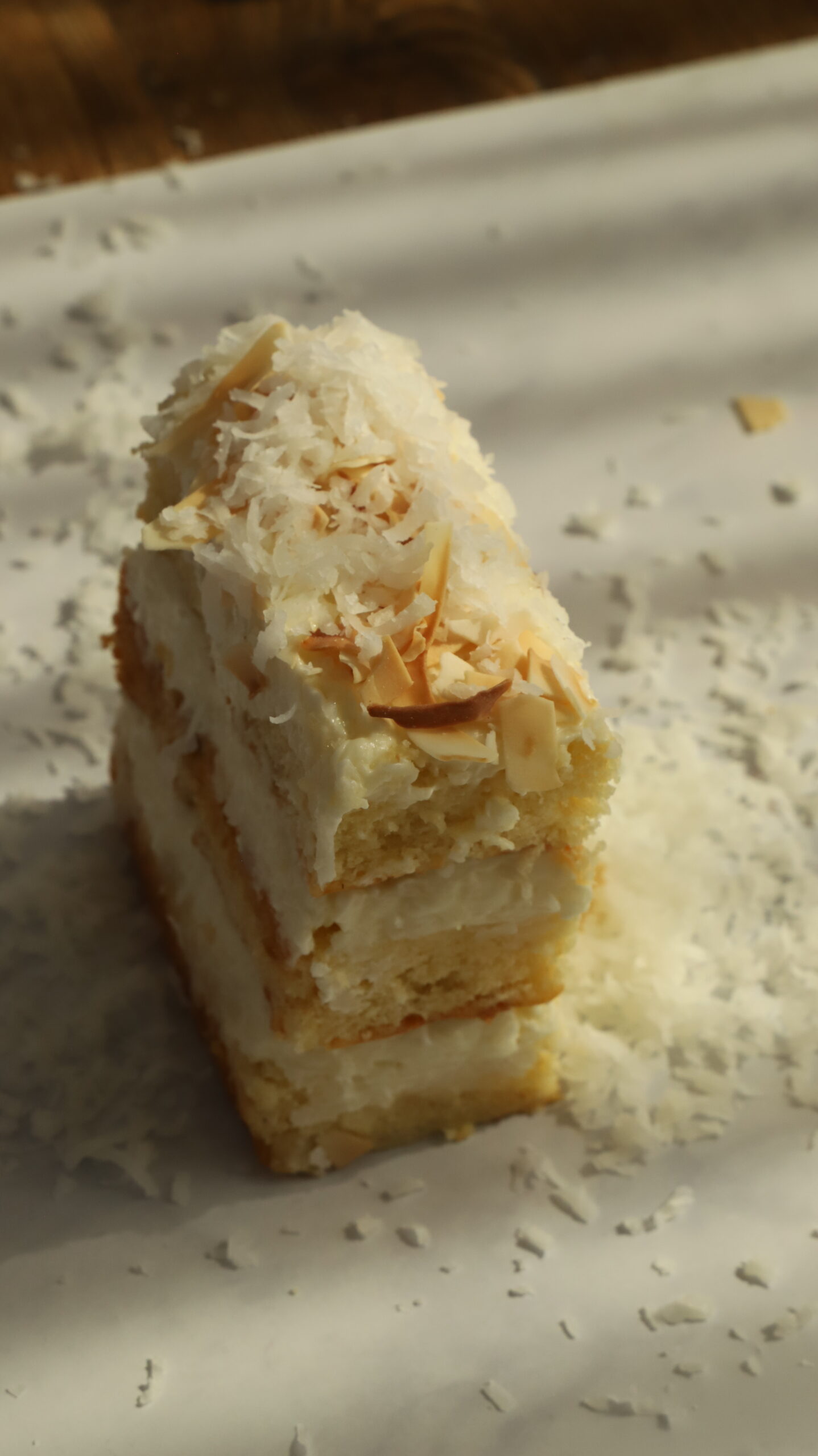
I also think social media has changed expectations significantly. There’s pressure for cakes to constantly become bigger, stranger, more elaborate. But personally, I’m becoming more interested in restraint, creating cakes that still feel artistic and impactful without losing warmth or humanity.
Cake has become a natural centrepiece of celebration – where there is something to celebrate, there is a cake. What do you think is the cultural significance here?
Cake is one of the few foods that exists almost entirely for emotion. It’s rarely essential in a practical sense. It’s symbolic. It marks moments. It gathers people around a table. It becomes part of memory.
I think culturally, cake has evolved into this shared ritual of celebration because it creates pause. Everyone stops for the cake moment. Candles, singing, slicing, serving. It’s participatory and emotional.
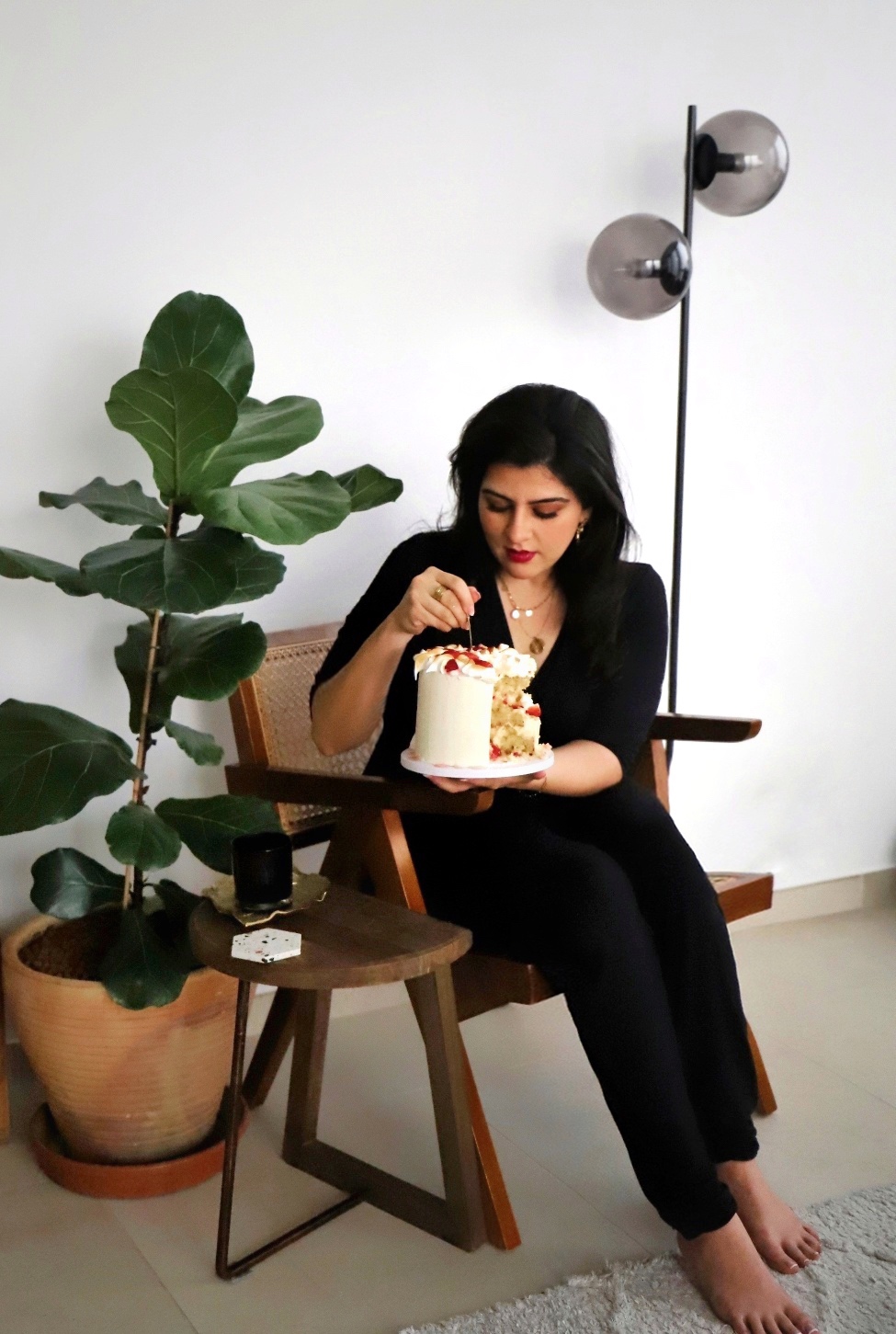
What’s interesting now is that cakes have also become a form of personal expression. People use them to communicate humour, aesthetics, relationships, internet culture, personality. They’ve become almost conversational objects.
Especially in Dubai, where food culture is so visual and multicultural, cakes have become an extension of identity and storytelling.
What is your personal favourite cake flavour or way to eat cake?
Honestly, a really good chocolate cake.
Not overly complicated. Just deeply satisfying, soft sponge, good cocoa, rich frosting, eaten slightly messily straight from the fridge or standing in the kitchen late at night, or for breakfast with a tall glass of milk
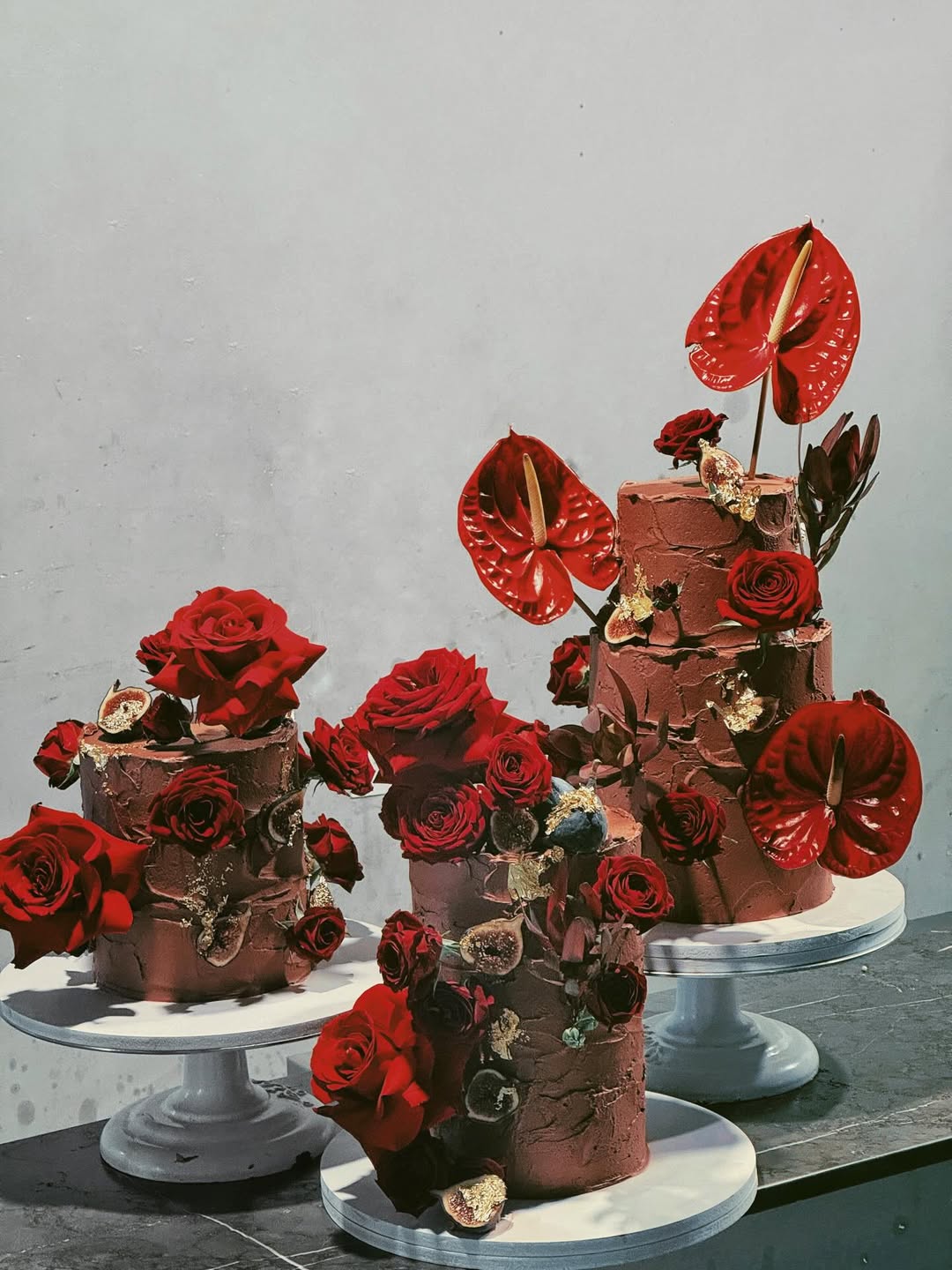
I think the older I get, the more I appreciate simplicity done properly. The emotional response people have to nostalgic flavours is incredibly powerful. Sometimes the best desserts are the ones that remind you of something before you can even explain why.
Image credit: Supplied
Deeply passionate about food, culture and community, Manaal loves telling extraordinary stories of ordinary people. Besides sniffing out a tale to tell, her favourite things to do include binging true crime documentaries, chasing cats on the streets and curating a good outfit.