What does Dubai get right about this seemingly elusive concept?
The best izakaya in the world don’t announce themselves. When it comes to izakaya dining, who better to speak with than a renowned chef that has lived and worked in Japan for eighteen years? Paul Gajewski – formerly Park Hyatt Tokyo, Vue de monde Melbourne, Noma Copenhagen, The Guild Dubai – speaks with passionate knowledge about izakaya.
“Izakaya is not a format but a cultural rhythm. An extension of daily life shaped by centuries of social habit,” says Gajewski.
A Bit of History
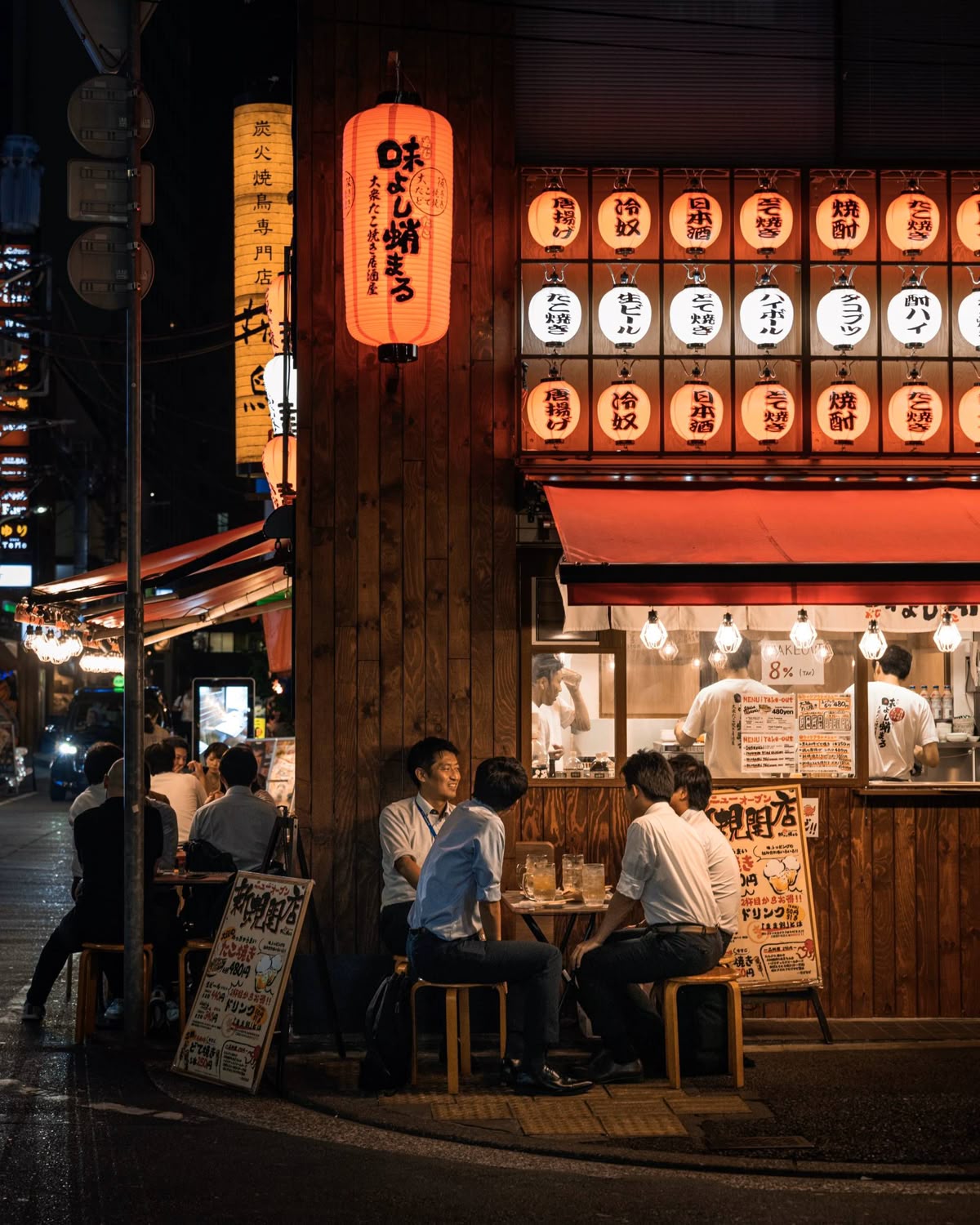
It is hard to pinpoint an exact period in time when the izakaya was born, but reportedly, the formulation of what it looks like today began sometime in the Edo Period (1603-1868), when sake merchants began to serve small plates of nibbles and bites with their drinks. This coincided with a gradual change in the format as well – instead of taking measured ware home, patrons began consuming on sight.
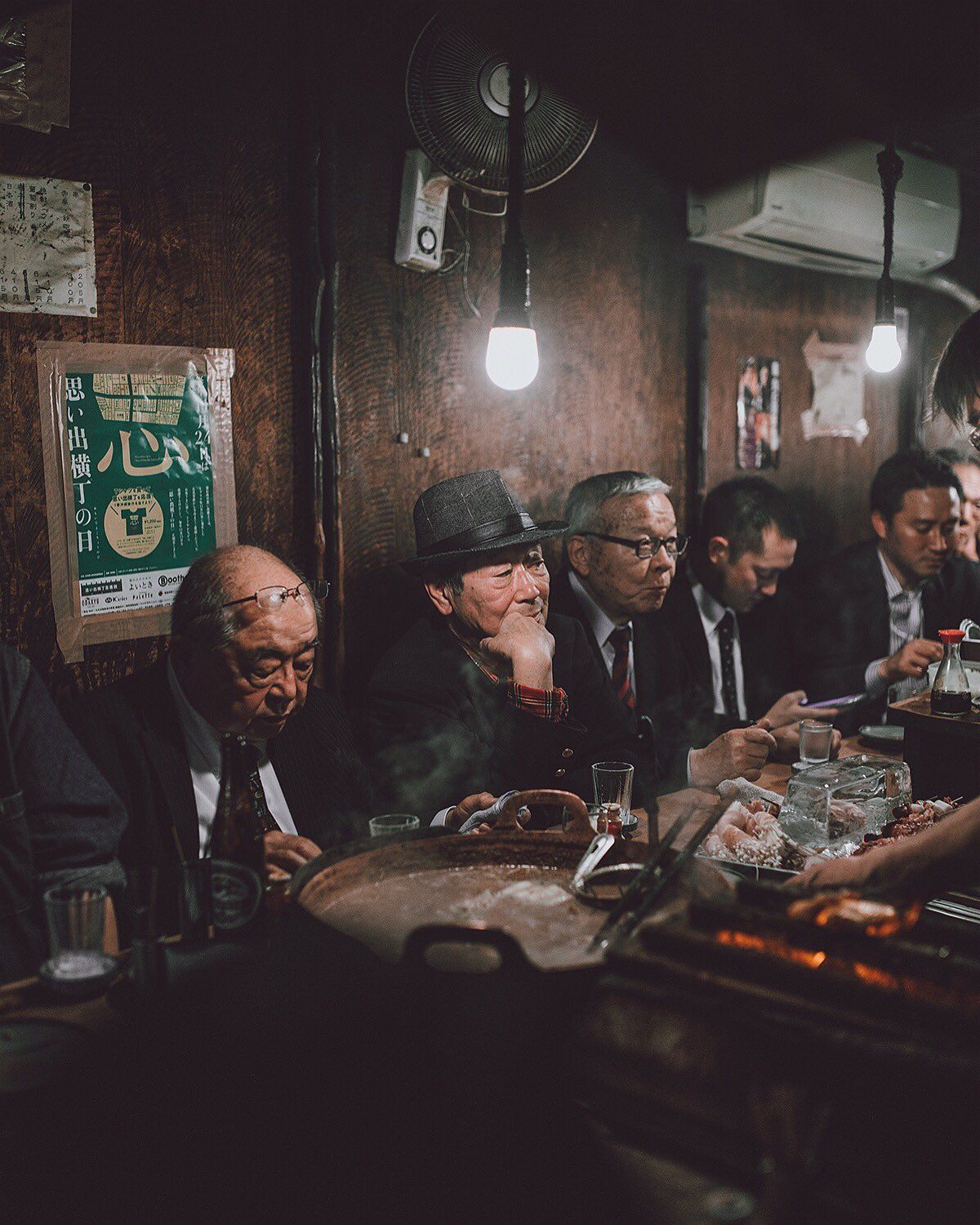
The evolution from standing bars to family-run gastropubs was only natural, and the true izakaya of today would be a small, simple establishment, with the charming comfort of familiarity – such eateries have their rotating crowd of regulars, who come back again and again in pursuit of precious social capital.
So, how can a relatively ‘new’ city like Dubai replicate such historical foundations? What are the centuries of cultural habit and how are these inspiring the new wave of dining in Dubai?
The food itself is sometimes secondary to the foundation, and depth of communal, casual neighbourhood dining. Guests typically do not follow an expected flow of dishes and courses, but an organic flow of spontaneity and informality, guided by the restaurant. We have seen this with authentic replicas such as Soon, Kima, and Kinoya. These venues live in neighbourhoods that allow for the izakaya spirit to thrive. Kinoya, especially, has demonstrated that it can perform well with its casual, counter-top dining.
View this post on Instagram
The Dubai Blueprint
Reif Othman – purveyor of unconventional Japanese at Reif Kushiyaki – suggests that Dubai is yet to move towards true smoky, unstructured izakaya. Reif speaks passionately about the izakaya he has enjoyed in Japan:
“A true izakaya is a very old, authentic, easy-going, casual, after work kind of hangout place where you have a quick bite, quick drinks, a couple of nice kushiyaki, some small bites, small salads, small tataki, maybe a maki roll, and you know, standing by the counter and chatting around with your friends or colleagues.”
Traditionally, Dubai has had a habit of taking the intimate izakaya concept, scaling it up, adding interior design and cocktails, and delivering popular social venues. Think: Zuma, Clap, Roka for high-energy izakaya style lounges and vibes. These concepts provide the language of izakaya but reshape the format to suit the market. Reif likes the direction of Honeycomb Hi-Fi for beverages and food, alongside smoky vibes and buzzing beats. If the Dubai izakaya of the future looks like Honeycomb, you’ll find me at the counter, for sure.
View this post on Instagram
Like most cuisines, Dubai’s transient, modern personality often flirts with authenticity. The organic conditions for true izakaya do not exist. However, authenticity can still underpin intention. Or, as Paul succinctly puts it: “translation with integrity”, to preserve discipline, seasonality, and the guest interaction that defines the experience. Where izakaya concepts struggle is in over-polishing the experience, and the control or the curation becomes too tight. Sometimes, the aesthetic screams ‘casual dining’ but in reality, the structure is fine dining in disguise.
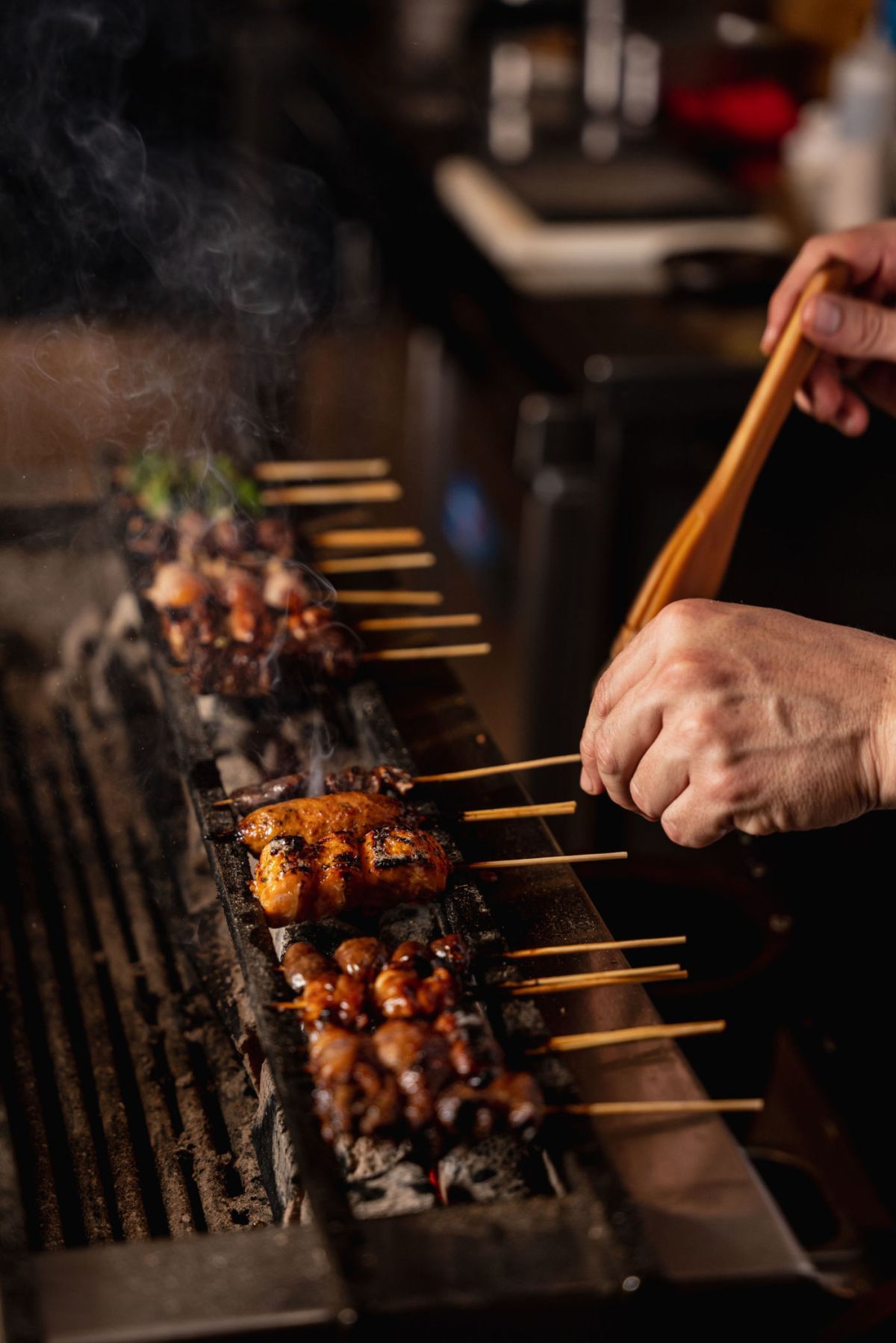
Japanese Tapas?
So, a series of small dishes arrive around the table. That is “Japanese tapas,” right? I’m hoping the potential pedants have read this far before sending us angry DMs. The answer is “no,” even if swathes of diners mistakenly think that’s what the concept is. A loose survey of 230 diners showed that many people aligned izakaya with tapas; approximately 35 per cent. This completely misses the cultural depth of izakaya, a progression without structure, the relationship between guests and the venue, and the environment.
View this post on Instagram
What are the barriers to Dubai izakaya? The same as all F+B outlets: high rents, commercial realities, demanding expectations, and a highly competitive landscape. However, the maturing market of Dubai – war not withstanding – is leaning towards the confident delivery of unscripted hospitality – away from rigid tasting menus and towards friendly, casual dining. The love of Japanese food is already present (at least 400 different Japanese-inspired operators exist). The yakitori, sake, and mixology prevail at Soon. The strong neighbourhood bond resonates strongly at Kinoya. These places do not mirror Tokyo, nor should they. The most successful interpretations will respect the spirit of izakaya but embrace the realities of Dubai.
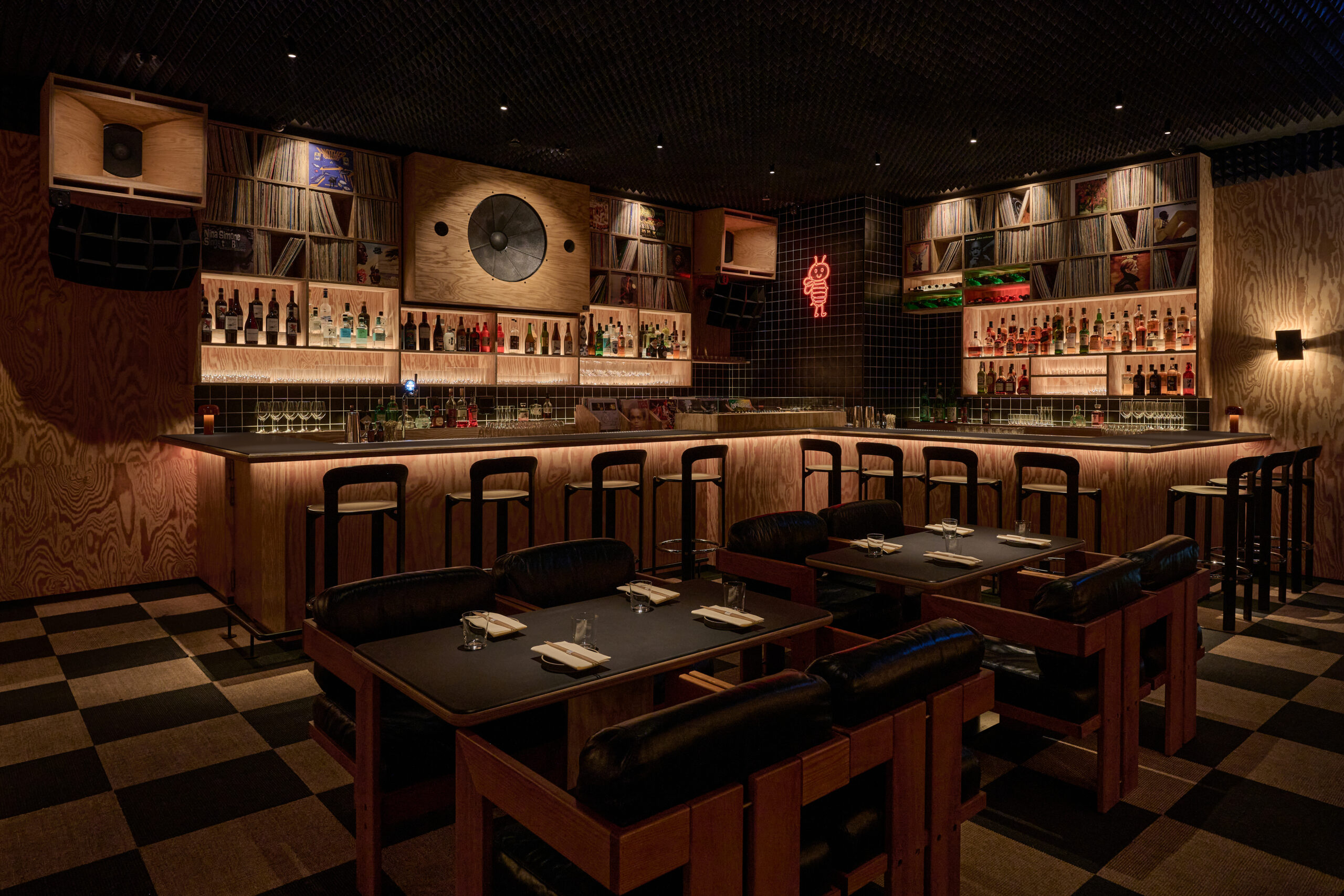
At the end of the day, izakaya will not be defined by skewers or small plates. It is how the room feels in a city that creates moments. Someone asked me recently for the next F+B trend in Dubai. A genuine izakaya concept that is allowed space to breathe may be the catalyst for such a movement. Call it what you like; just don’t call it Japanese tapas.
Image credit: Pinterest/Supplied

With over two decades of experience in food writing and hospitality consultancy, Matthew has chronicled the evolution of the Middle East’s dining scene for international titles and regional platforms alike. A Key Opinion Leader and occasional judge, as well as the founder of APEX Mystery Shoppers, he brings a unique perspective shaped by thousands of restaurant visits across Europe and the GCC.