Navigating the highs and lows of the digital age of dining
In Dubai, restaurants no longer simply open – they launch. Weeks before the first reservation is served, teaser campaigns begin circulating online. Influencers receive invitations to preview dinners, cinematic videos flood Instagram feeds and diners rush to secure bookings at the city’s latest ‘must-visit’ address.
In a market where attention moves at extraordinary speed, hype has become an essential part of hospitality economics. Visibility can turn a restaurant into an overnight success, generating queues, waiting lists and months of conversation. But in Dubai’s relentlessly competitive dining scene, virality is only the beginning. The harder task is translating attention into longevity.
“Dubai loves a new opening and people like to feel like they are in the right place before everyone else,” says Sahil Anand, restaurateur and founder of RARE Brasserie & Bar. “But hype is only useful if there is something behind it.”
The Age of the Algorithm
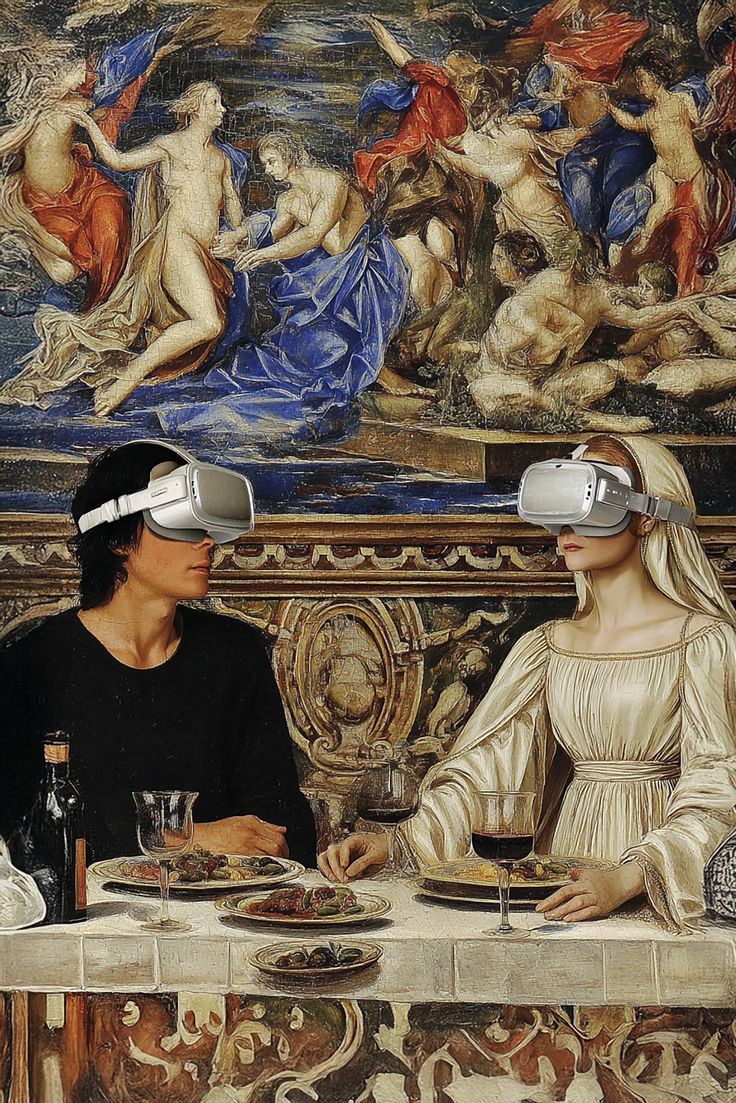
Social media has fundamentally altered the way restaurants are discovered, discussed and evaluated. Today, a restaurant’s digital identity often arrives before the physical experience itself.
“Good restaurants will have a cohesive message that extends past what’s inside the restaurant,” says Courtney Brandt, journalist, author and media professional. “Diners can understand what to expect before they even arrive.”
Menus are increasingly designed with visual impact in mind, interiors are engineered for shareability and chefs themselves are becoming part of the brand ecosystem. According to Brandt, the industry is also moving towards greater visibility for hospitality professionals beyond the restaurant name alone.
View this post on Instagram
At the same time, not every diner is participating in the algorithm-driven frenzy. Veteran food critic Samantha Wood points out that a large portion of diners still engage with restaurants in a far more traditional way.
“Many of my readers who are slightly older are not on social media,” Wood says. “They prefer email communication and are blissfully unaware of any social media hype.”
This creates an interesting divide within Dubai’s restaurant economy: one audience driven by online visibility and another guided by trust, familiarity and long-form critique.
View this post on Instagram
The Spike
For restaurants, the immediate impact of hype can be transformative. A single viral reel or celebrity endorsement can fill reservation books overnight. But industry insiders repeatedly caution against confusing visibility with sustainability.
“Going viral is not a business model,” says Anand. “It gives you a spike, not a foundation.”
Dubai’s dining scene moves quickly, and diners move with it. What dominates conversations one month can disappear from relevance the next. In this environment, hype functions less as stability and more as acceleration – it creates urgency, but rarely permanence.
Brandt sees hype as a useful entry point rather than a guarantee of success. “You can have hype, and you can have vibes, and you can have social media moments,” she says. “However, if you’re not going to deliver on those, then I just don’t think you’re going to go the distance.”
When Hype Works Against You
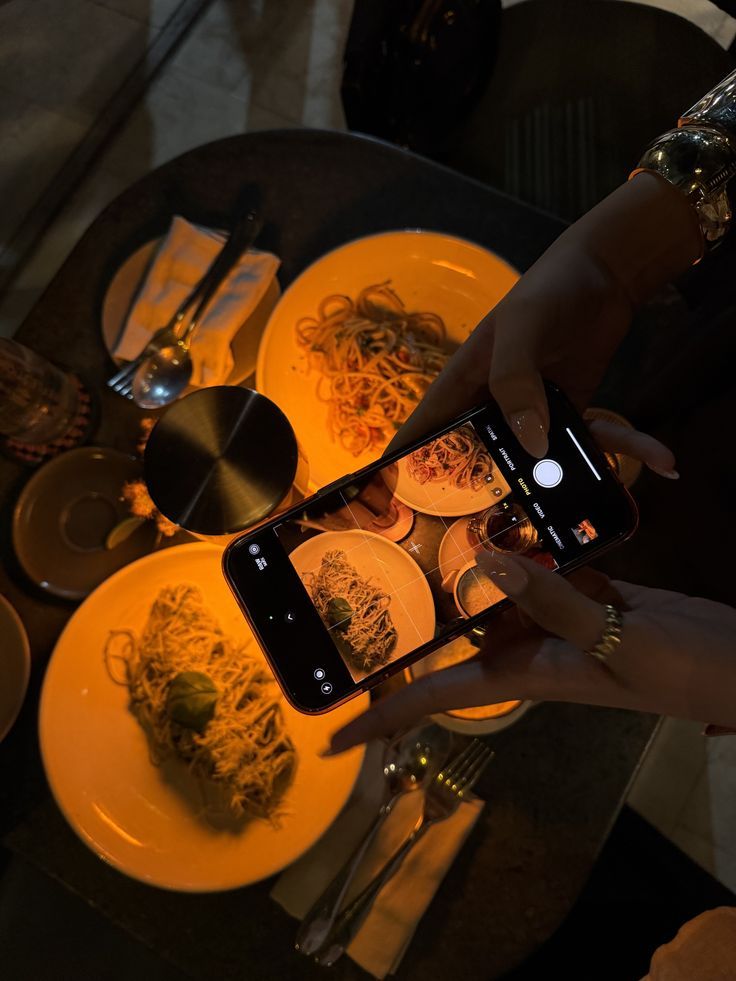
The paradox of visibility is that it also intensifies scrutiny. The more a restaurant is discussed online, the greater the expectations become – and the harder they are to meet consistently.
“Hype is a double-edged sword,” Wood explains. “It elevates expectations, therefore making it harder for a restaurant to impress.”
Wood has spent more than a decade reviewing Dubai’s dining scene and has seen countless restaurants rise rapidly before fading just as quickly. In many cases, the issue is not creativity or ambition, but consistency across food, service and the overall experience.
The irony is that some of Dubai’s most commercially successful restaurants operate relatively quietly. They are not necessarily dominating social feeds or collecting awards, but they are delivering dependable experiences repeatedly and refining operations over time.
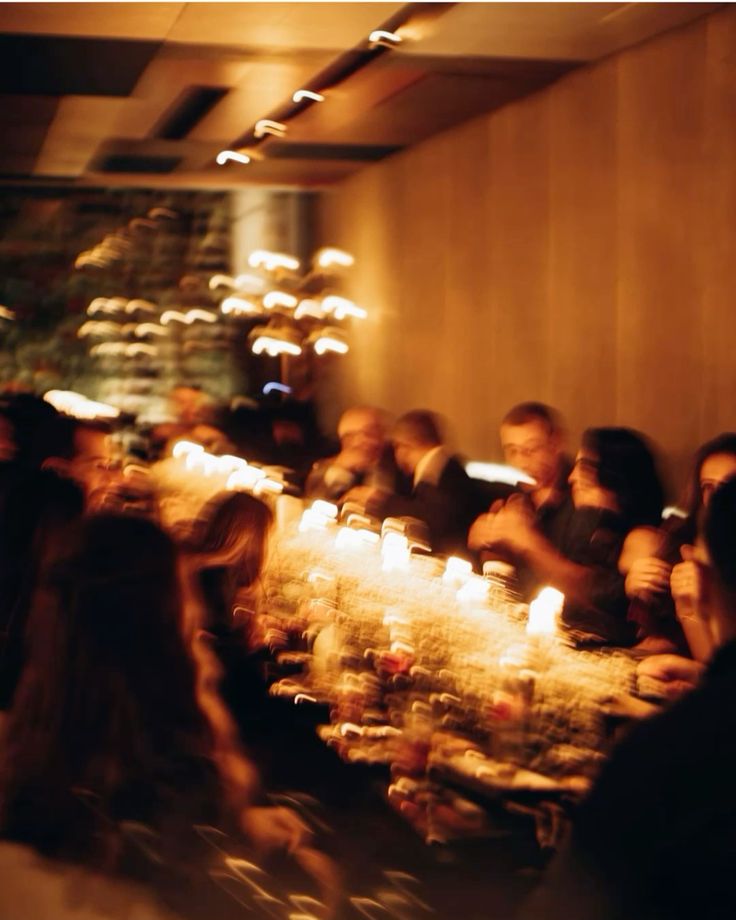
Dubai’s diners have also become more selective. As the market matures and dining costs rise, consumers are increasingly questioning whether the experience justifies the investment.
That choice has become more calculated. Dining out now carries not only financial cost, but also what Brandt describes as “opportunity cost of time.” Diners are becoming less willing to spend on experiences that prioritise aesthetics over quality.
Brandt also points to growing fatigue around exaggerated online praise. “If everything is the most amazing,” she says, laughing, “it can’t all be the most amazing.”
At its core, hospitality still depends on emotional connection – the intangible sense that a place understands itself and its audience.
View this post on Instagram
The Bottom Line
Hype will always be part of Dubai’s dining landscape. It drives discovery, energises the market and keeps the city in constant motion. In many ways, it reflects Dubai itself: ambitious, fast-moving and unapologetically visible.
But that alone rarely survives.
The restaurants that endure are not necessarily the loudest or most viral. They are the ones that quietly transform attention into loyalty, refining the experience long after the opening buzz fades.
Image credit: Pinterest

Curious, expressive, and always chasing new ideas, Zainab sees creativity as a way of life. She thrives on discovering new perspectives, connecting with people, and turning inspiration into something tangible. Her work and her world reflect a balance of intuition, imagination, and authenticity.
Contact me: zainab@nommemag.com