For the chef and founder, memory is the first ingredient
For Chef Kelvin Cheung, food has never fitted neatly into a single box. Born in Canada, shaped by Chinese, Hong Kong and Singaporean heritage, trained in European kitchens and later building restaurants in India, his cooking is the product of a life spent moving between cultures, communities and kitchens.
It is this layered identity that sits at the heart of what he calls Third Culture cuisine – a style of cooking that has become closely associated with his work in Dubai, particularly at Jun’s.
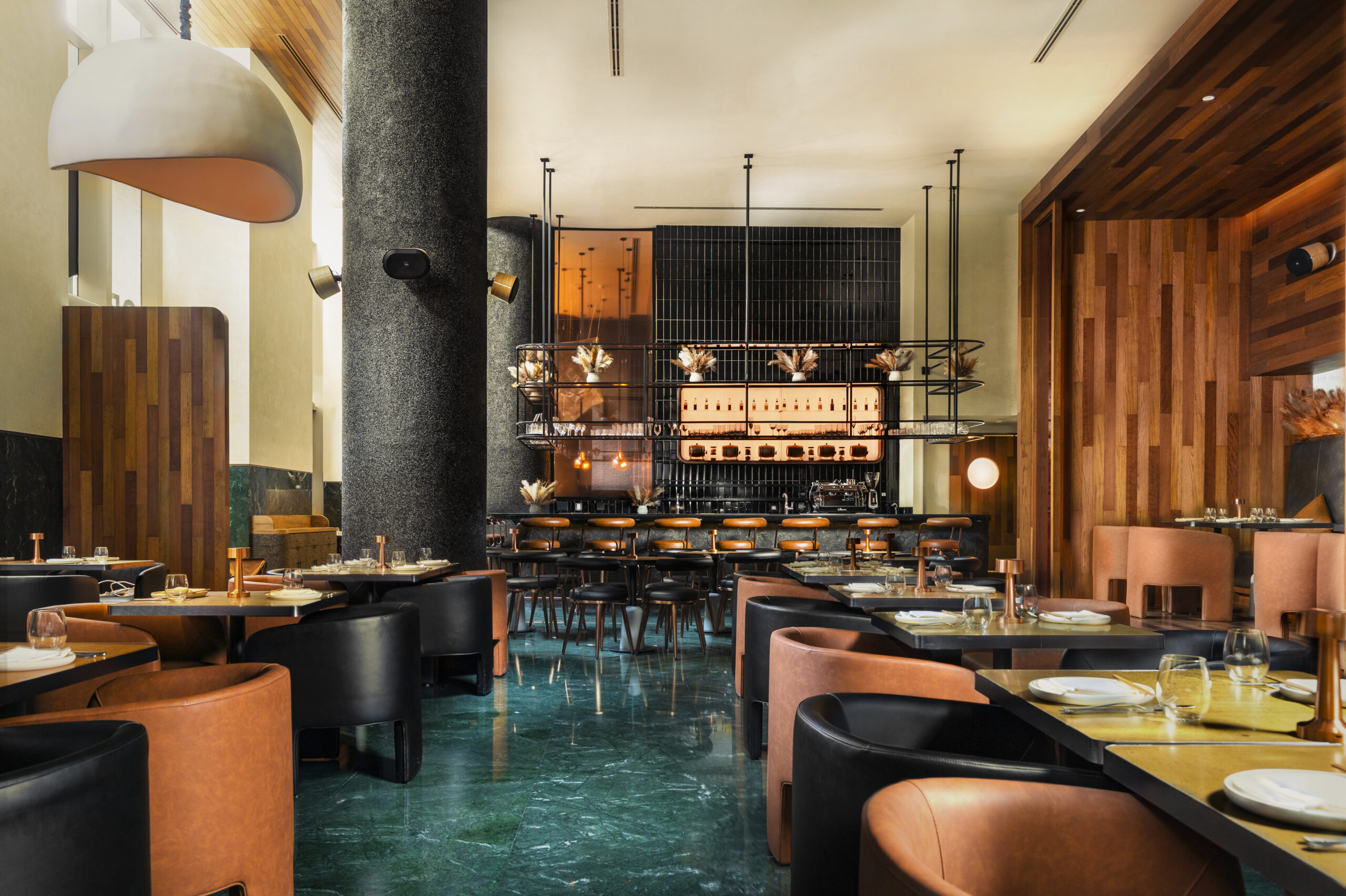
Rather than seeing his multicultural background as something that needs to be reconciled, Cheung sees it as the foundation of his culinary identity. “Third culture cooking simply is an honest reflection of where I was in my life, my career and the evolution of my cooking,” he explains.
What is Third Culture Dining?
The term third culture is more than another label for fusion food. For Cheung, it represents the freedom to cook without being restricted by conventional definitions of what a cuisine should be.
Growing up as a Chinese, Hong Kong, Singaporean and Canadian kid, he describes feeling caught between identities – “not Chinese enough” for the Chinese community, yet not Western enough while working in European kitchens.
Instead of choosing one side, third culture cuisine allows him to embrace all of them.
“It allowed me to move beyond traditional names, norms and labels that can place chefs and cuisines into rigid boxes,” he says.
That distinction is important. While fusion can sometimes suggest the deliberate collision of two cuisines, Cheung believes third culture cooking is less about combining flavours for the sake of novelty and more about allowing different influences to exist naturally on the same plate.
For him, it is about accepting every part of who you are and bringing those influences together “naturally, harmoniously, and beautifully.”
A Menu Shaped by Memories
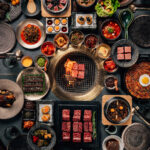
There is no rigid formula behind Cheung’s cooking. New dishes often begin with a food memory – something he ate growing up, discovered while travelling or experienced somewhere along the way.
From there, he considers the feeling or flavour he wants to recreate before looking to the best seasonal and local ingredients available.
It is a philosophy that makes his food deeply personal. His Chinese roots and North American upbringing are not themes he consciously adds to a dish; they are simply part of who he is.
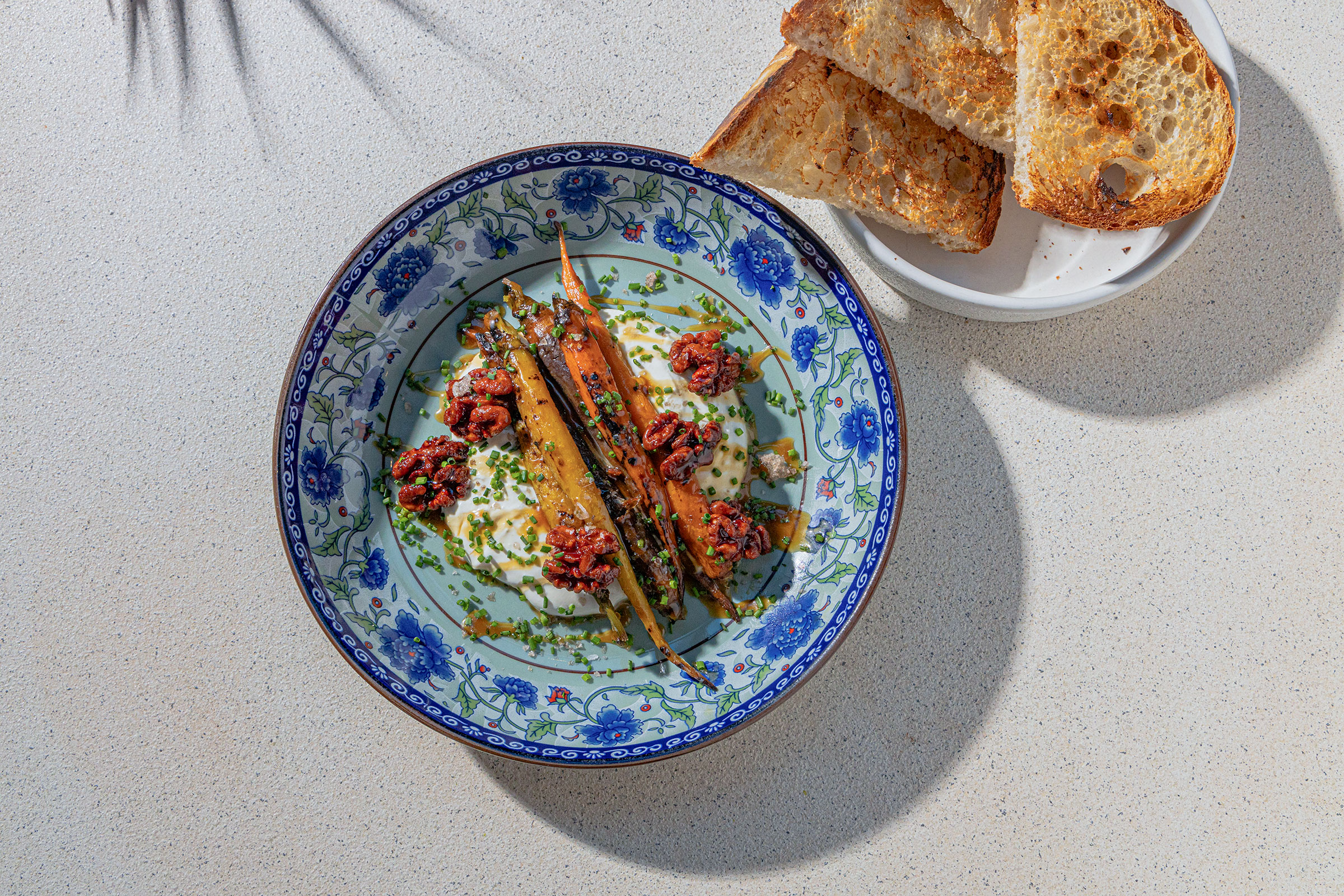
“There’s a piece of me on every plate and in every bite,” he says, describing his cooking as a balance between cultures, ideas, inspirations and flavours.
That sense of personal history extends across his career. His time in Europe, restaurants in India and experiences across different countries and cities have all influenced the way he seasons food, builds flavour and approaches a dish. At Jun’s, he says, every place he has lived, worked, travelled and eaten has left its mark.
Why Dubai?
In many ways, Dubai feels like a natural home for Cheung’s approach.
The city is built around multiculturalism, with people from across the world bringing their own traditions, memories and identities with them. For Cheung, that creates an audience that understands the idea of layered identity instinctively.
“Because so many people in Dubai have similarly layered identities and experiences, they understand and embrace that journey,” he says.
This is where his food becomes more than simply a meal. A familiar flavour, ingredient or cultural reference can trigger a memory for a diner, even if that memory comes from an entirely different part of the world.
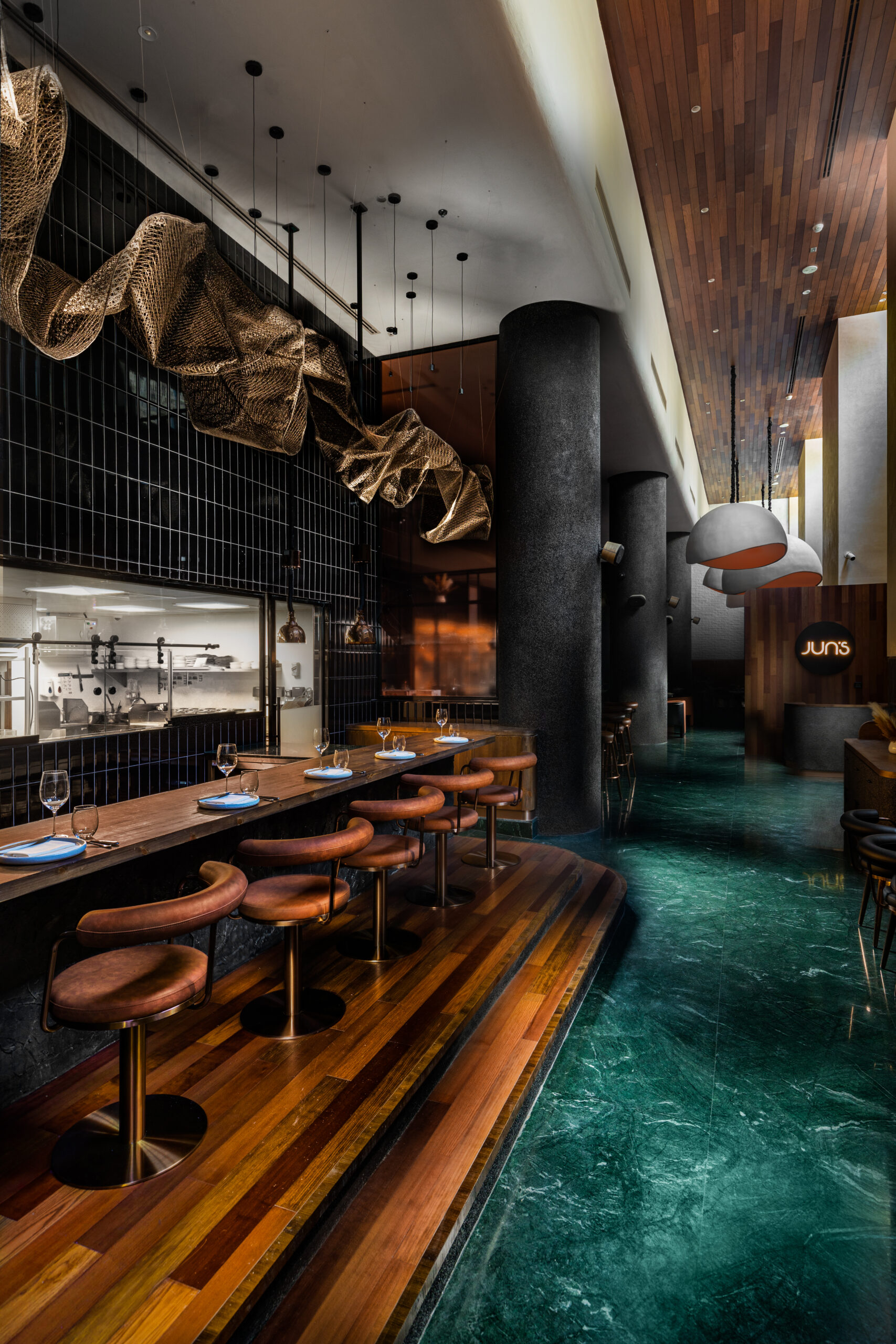
The result is a kind of culinary conversation – Cheung’s journey meeting the stories of the people sitting around the table. That connection was not immediate. When Jun’s first opened, Cheung says there was some confusion around what the restaurant was trying to do.
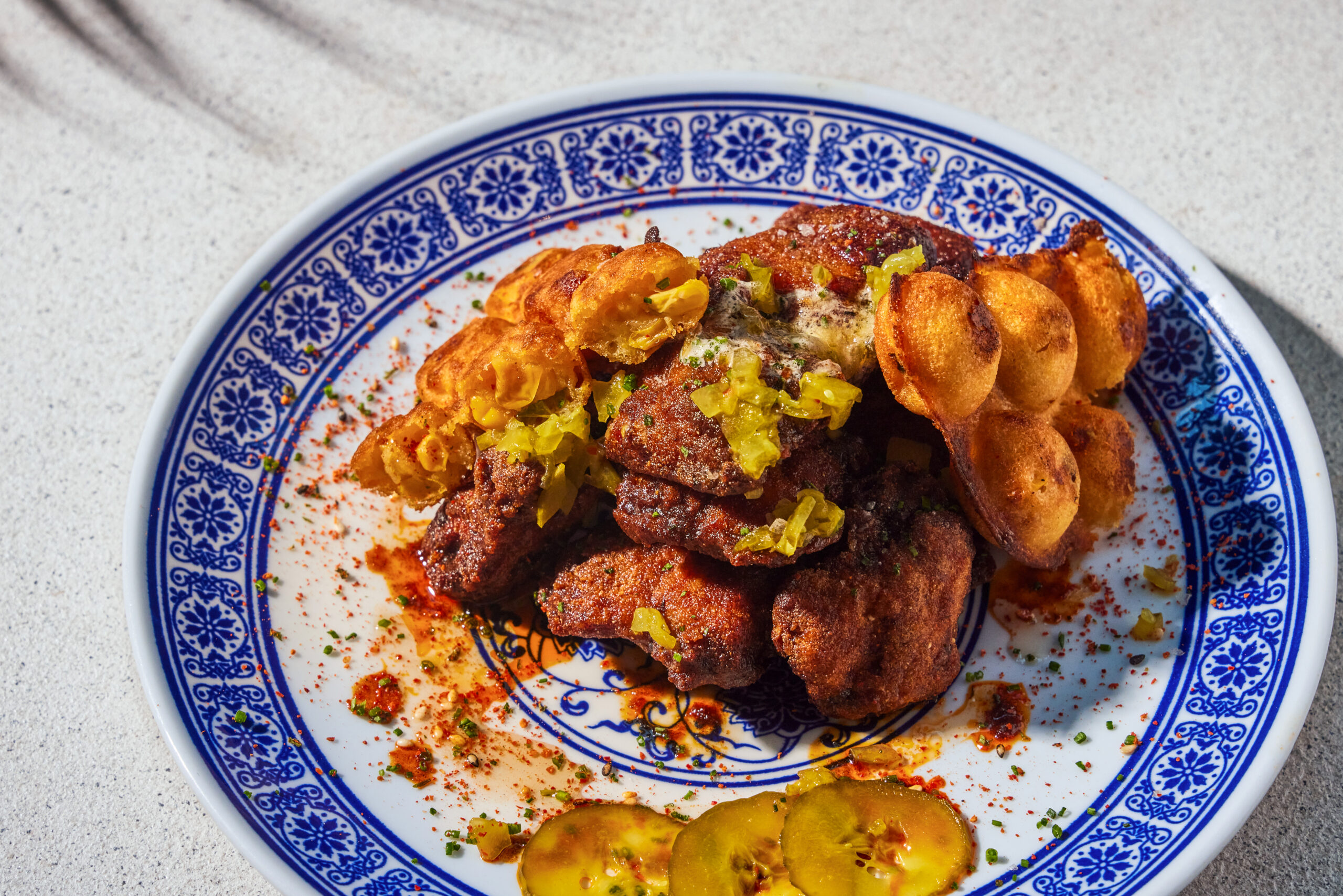
As a Chinese chef, diners naturally assumed the restaurant would serve traditional Chinese food or another Pan-Asian concept, both familiar categories in Dubai.
It took time for guests to understand that Jun’s was offering something different. Once they experienced the stories behind the dishes, however, Cheung says the response changed.
That acceptance speaks to a wider shift in the way diners understand authenticity. For Cheung, authenticity does not necessarily mean recreating the food of the past exactly as it was. It can also mean honestly expressing the person you have become.
He sees this as increasingly relevant in a world where migration, travel and global cities are creating increasingly layered identities. “Authenticity is not always about replicating the past,” he says. “Sometimes, it is about truthfully expressing who we have become today.”
Different Concepts, Same DNA
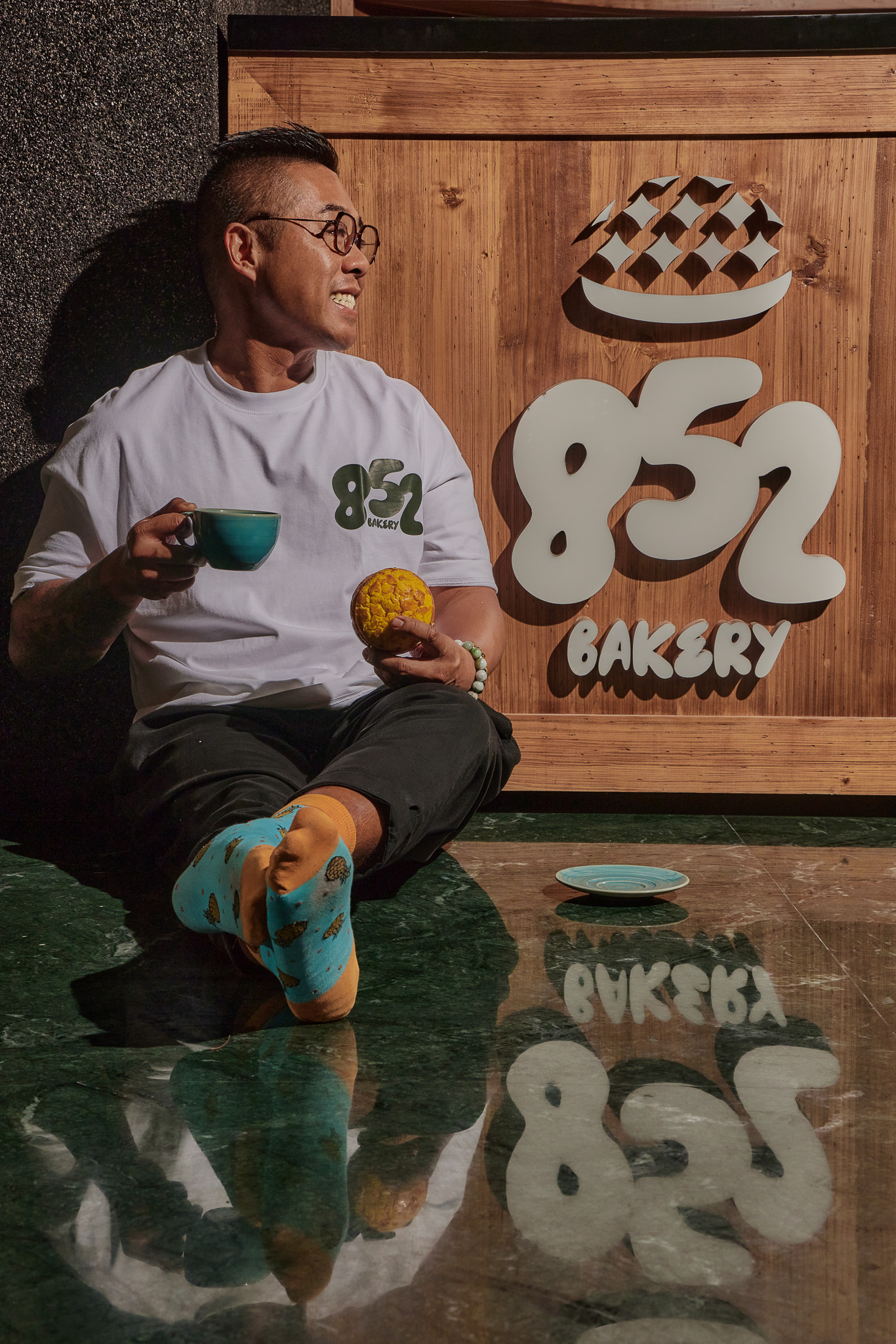
Cheung’s third culture philosophy stretches beyond Jun’s. His other concepts, including Jooksing and 852 Bakery, each have their own personality, but share the same underlying DNA.
“From Jun’s to Jooksing to 852, it’s all me – just different facets and dimensions of who I am,” he says.
That consistency comes from the foundations of his cooking: flavours, standards and techniques gathered throughout his career, beginning with his earliest years working in his father’s kitchens.
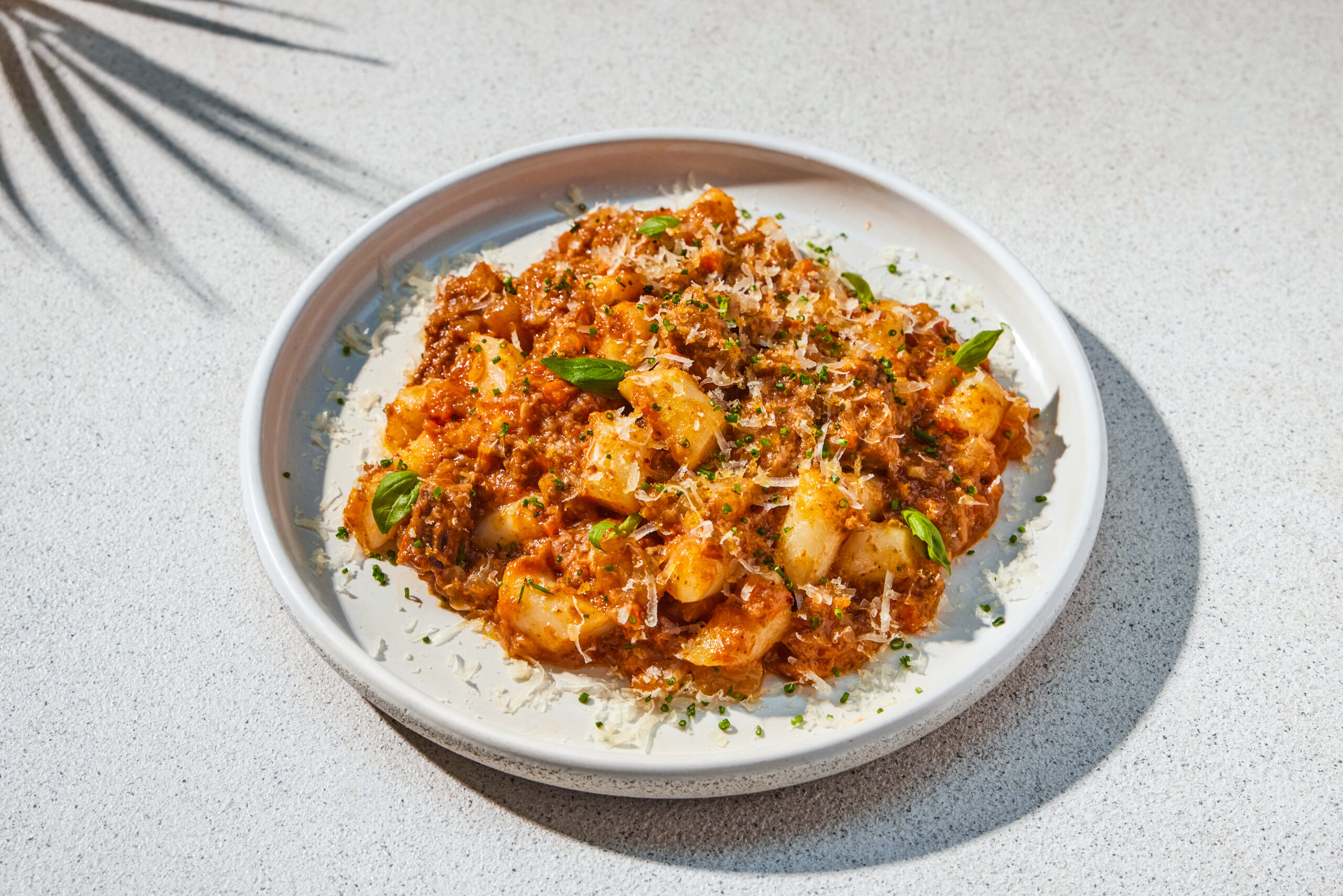
For Cheung, then, third culture dining is not a trend or a marketing category. It is a way of making sense of a life lived across borders.
And perhaps that is why it resonates so strongly in Dubai. In a city where identities are rarely as straightforward as the passport they carry, Cheung’s food offers a familiar idea: you do not have to choose one culture, one cuisine or one version of yourself.
Sometimes, the most authentic thing you can put on a plate is everything that made you who you are.
Image credit: Supplied

Curious, expressive, and always chasing new ideas, Zainab sees creativity as a way of life. She thrives on discovering new perspectives, connecting with people, and turning inspiration into something tangible. Her work and her world reflect a balance of intuition, imagination, and authenticity.
Contact me: zainab@nommemag.com