The founder and beverage connoisseur believes zero per cent drinks deserve a league of their own
Could you tell us a little bit about Drink Dry and how it came about?
Around 2014, shortly after I got married, my husband and I wanted to start a family, and for health and family-planning reasons, I gave up alcohol.
I was a very early adopter of the category, around 2014–15. Supermarkets in the UK weren’t really stocking anything, and many products weren’t even available online. You had to find the people behind the brands, contact them directly and buy from them. Some were still making products in their mum’s kitchens and shipping them directly to consumers.
Then we moved to Dubai in 2019. My husband is also in the drinks industry, so we often talked about distribution, manufacturing and suppliers. I kept thinking: surely we live in a place with a fantastic F&B scene and strong disposable income, where people go out more than almost anywhere else, yet as a non-drinker my options were incredibly limited.
I don’t drink soft drinks or fizzy drinks, and while I’ll have juice at breakfast, I didn’t want to spend an evening drinking lemonade or Coke. I always felt like I was missing out.
View this post on Instagram
From a hospitality perspective, I also felt venues were leaving money on the table. I would happily spend another couple of hundred dirhams on a night out if there were better options. I also wanted to have the same experience as everyone else at the table or at the bar.
Eventually, I established Drink Dry in February 2020. I wanted a place where I could go and buy non-alcoholic drinks, and I was convinced there were other people who wanted the same thing. That’s really where Drink Dry started. My initial idea was much less sophisticated than what it has become.
If I could travel back in time and tell myself six years ago how much bigger the demand would become than even my best-case scenario, I don’t think I would have believed it.
View this post on Instagram
Why do you think consumer behaviour around alcohol and non-alcoholic drinks is changing now?
If you look at the West, Gen Z is definitely driving the rise of non-alcoholic drinks. But if I look at the data and shopping behaviour we see through Drink Dry Store, our biggest consumer group is actually 35 to 45-year-olds. The second biggest group is 45 to 55, and only after that comes the 21 to 35 age group.
We’ve done our fair share of partying. We’ve done our fair share of not caring about our bodies. Then COVID was a huge wake-up call for everyone. The conversation has also moved beyond health. It’s now about longevity, biohacking and how we stay as fit and healthy as possible. We all have things like Oura rings and Ultrahuman rings. We want to know how we feel, how we recover and what affects our bodies.
So I think non-alcoholic drinks are part of a much wider conversation around longevity and “un-ageing” ourselves. It’s not simply about alcohol being bad and non-alcohol being good. It’s part of a much broader lifestyle shift towards wanting to live longer and live better.
How far has Dubai come when it comes to non-alcoholic drinks, and how much further do we have to go?
I think we’re in a great place, but we absolutely have a long way to go.
I’ll give a lot of credit to the Drink Dry team because they’ve done a phenomenal job bringing brands to life. Take Corona Zero, for example. They’ve been a lead sponsor of Burj to Burj for two years and have another year to go. The UAE was recognised in September 2025 as one of the key growth markets for ABI, the company that owns Corona globally.
We’re getting a lot of attention, visibility and marketing investment because of the work being done in this region. The same applies to Guinness 0.0 and other major global brands. They love this market because we have so many major global events — marathons, Formula 1, culinary events and so on.
View this post on Instagram
From a distribution perspective, we’ve come an incredibly long way. You can now buy non-alcoholic beers across supermarkets throughout the UAE — from ENOC and ADNOC to Nesto, Spinneys and Waitrose, as well as petrol stations.
From an e-commerce perspective, Drink Dry Store is leading globally because we offer chilled delivery within two hours. You wouldn’t dream of that in London or New York. Hospitality has also come a long way. Our products are available across more than 1,500 venues, hotels and restaurants in the UAE.
From an R&D perspective, how has food technology changed the way non-alcoholic drinks are made?
Over the last 12 to 18 months, we’ve seen larger companies challenge previously established processes for making non-alcoholic spirits. They’re increasingly relying on food technology and food science. They’re working at a molecular level, building flavour notes and flavour profiles to replicate the characteristics of an alcoholic product.
Tanqueray 0.0 is a great example. It does a fantastic job of capturing the notes, essence and taste profile of the original Tanqueray gin. We’re seeing the same thing with non-alcoholic wines. New-generation producers are blending different ingredients — perhaps vinegar, juices and non-alcoholic wine — to create something completely new.
View this post on Instagram
When the non-alcoholic category started several years ago, alcohol was essentially the launching pad. The question was: “How do we make alcohol? Let’s replicate that without the alcohol.” But we’ve reached a point where producers are saying: “Actually, we don’t have to do that.”
We recently met a fantastic Scottish producer making a sparkling product. Instead of starting with wine and removing the alcohol, they build the flavour profile from the ground up using specific apple juice, vinegars and other ingredients. They’re building the flavour upwards rather than stripping it backwards, and the result is a really fantastic product.
Are sommeliers and mixologists beginning to treat non-alcoholic drinks as their own category?
Absolutely.
I think it comes down to what makes a great hospitality professional. Whether you’re a hotelier, sommelier or mixologist, what makes you the best is your ability to provide the best experience for your guests. It’s less about what you personally like or what you think should be happening, and much more about understanding what your customers and guests want.
Sommeliers are acknowledging that many people don’t drink alcohol but still want the same ritual and experience. They want something served in a wine glass or champagne flute, chilled, something that pairs well with food and feels celebratory and special.
Good sommeliers are becoming more open to finding products that stand out in their own right. They aren’t necessarily looking for a like-for-like replacement for wine. They’re looking for something that provides their guests with a great beverage experience.
View this post on Instagram
There’s also a commercial element to it. Hospitality is about providing a great experience, but it’s also about maximising the value of every guest. You want guests to enjoy everything — the bread, starters, mains, desserts, drinks and everything around the meal. If you provide a complete experience, they’re happy with the final bill because they had a great experience.
Does the complexity of producing these drinks affect their pricing?
Absolutely.
Some of the biggest global brands we buy from are products we purchase directly from the source, so there’s no middleman. Their alcoholic versions can actually be around 30 per cent cheaper to buy than their non-alcoholic versions. That’s because there’s an additional manufacturing process involved in making the non-alcoholic version.
With beer, for example, you have to remove the alcohol and then make sure the product remains delicious without it. The manufacturing process is longer, more time-consuming and more resource-intensive, so the prices reflect that. One of our biggest challenges when we started was justifying the price point because people assumed that, simply because there was no alcohol, the product should somehow be cheaper.
We’ve tried to change that conversation.
We don’t compare non-alcoholic drinks to alcoholic drinks. We focus on the occasion, the lifestyle and the experience. If you’re a non-drinker, it doesn’t really matter to you what a bottle of house champagne costs because you’re not going to buy it. You’re looking for a good experience.
What innovations are you seeing emerge in the non-alcoholic category?
Functional beverages are something I think will become increasingly important.
It’s no longer simply about having less alcohol or removing alcohol. Products are beginning to have something added to them — potentially ingredients associated with things like mood, energy or other functions. Globally, we’re seeing ingredients such as ashwagandha and lion’s mane being incorporated into beverages.
We’ll probably be more limited in this region in terms of what we can bring in because certain ingredients can technically cause a beverage to be classified as a supplement, which isn’t necessarily the category we want it to sit in. But globally, there’s definitely a shift towards non-alcoholic drinks having an additional function.
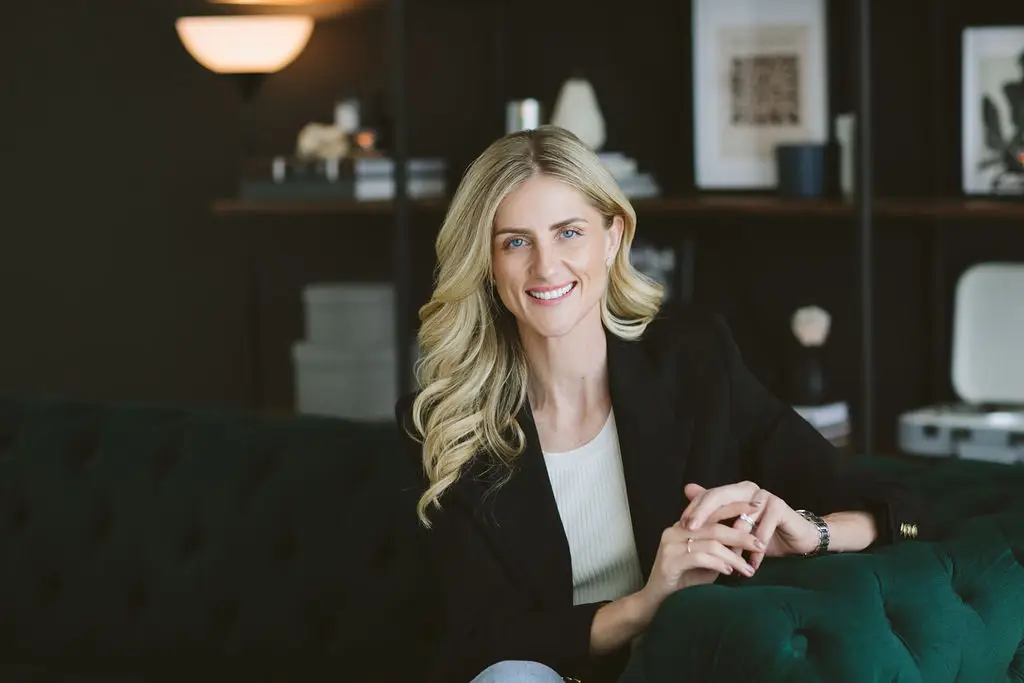
@erika_drinkdry, @drinkdrystore
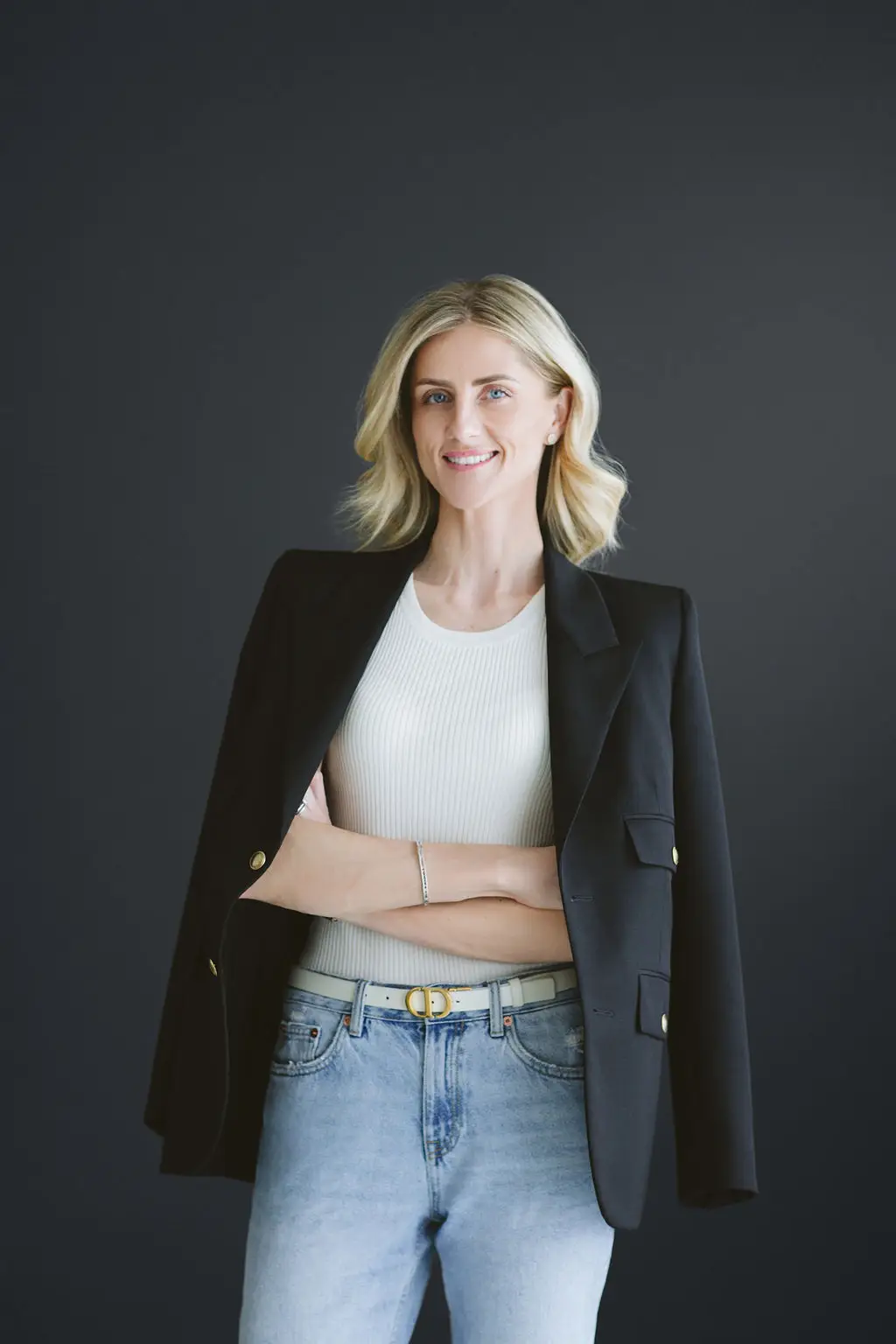
Image credit: Supplied
Deeply passionate about food, culture and community, Manaal loves telling extraordinary stories of ordinary people. Besides sniffing out a tale to tell, her favourite things to do include binging true crime documentaries, chasing cats on the streets and curating a good outfit.