Culinary innovation takes centre stage
Expect a masterclass in bold flavours, cross-cultural techniques, and artful presentation as the World Gourmet Festival descends upon Bangkok from September 29 to October 4, 2026. Here, culinary giants will throw themselves into the chaos of unfamiliar kitchens, grappling with language barriers, differing techniques, and the pressure to deliver MICHELIN-level cuisine.
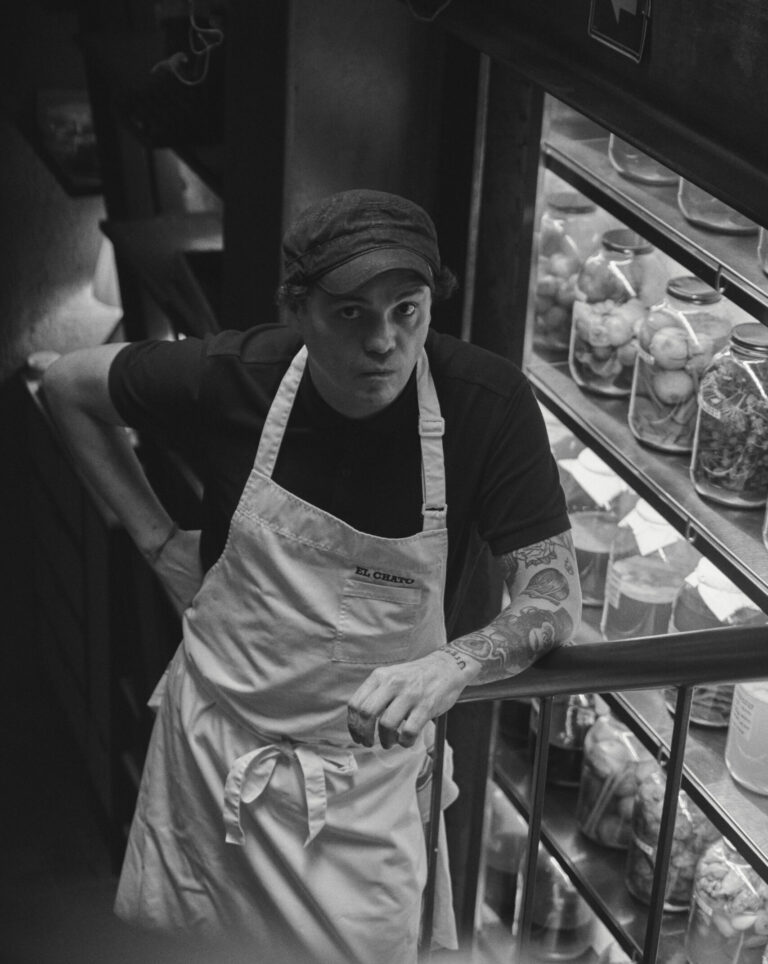
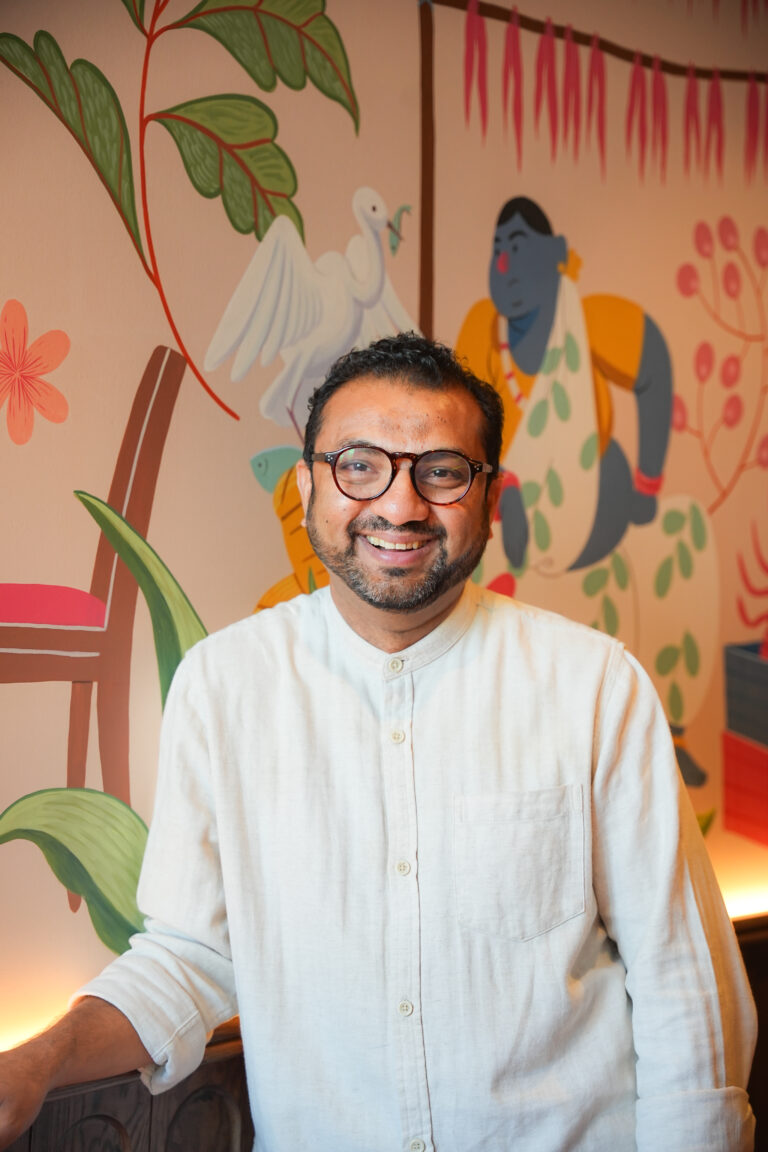
In this high-stakes environment, chefs like Álvaro Clavijo of El Chato in Bogotá, Zee Zheng of Fabula in Shanghai, Thanh Vuong Vo of CoCo Dining in Ho Chi Minh City, and Julien Royer of Odette in Singapore will tackle the difficult task of merging their culinary philosophies. The festival serves as both a celebration of global flavours and an arena where the clash of culinary identities can lead to innovative breakthroughs – or potential culinary missteps. In this dynamic setting, the question looms: can these chefs truly unite their diverse backgrounds to create a cohesive, and more importantly delicious, dining experience?
The Art of Collaboration
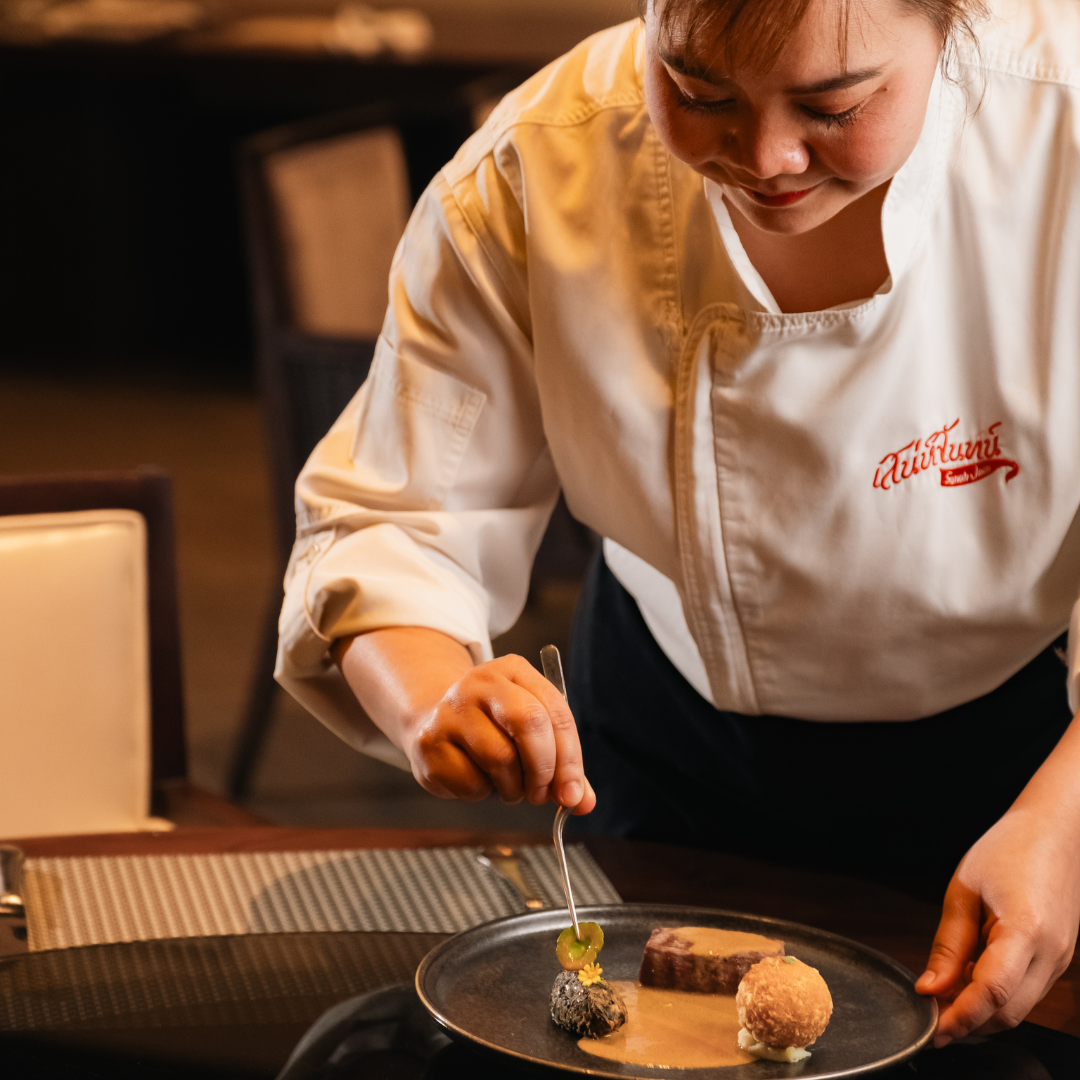
The festival acts as a platform for chefs to merge their food ethos while facing the challenges of working in others’ kitchens. Chefs from various corners of the globe will showcase their skills in a collaborative environment. Hosting chef Pilaiporn “Toi” Kamnag of Bangkok’s Saneh Jaan explains, “Through this event, we hope to introduce visiting chefs to the depth and diversity of Thai ingredients, including local herbs, spices, seasonal produce, and traditional preparation and preservation methods.”
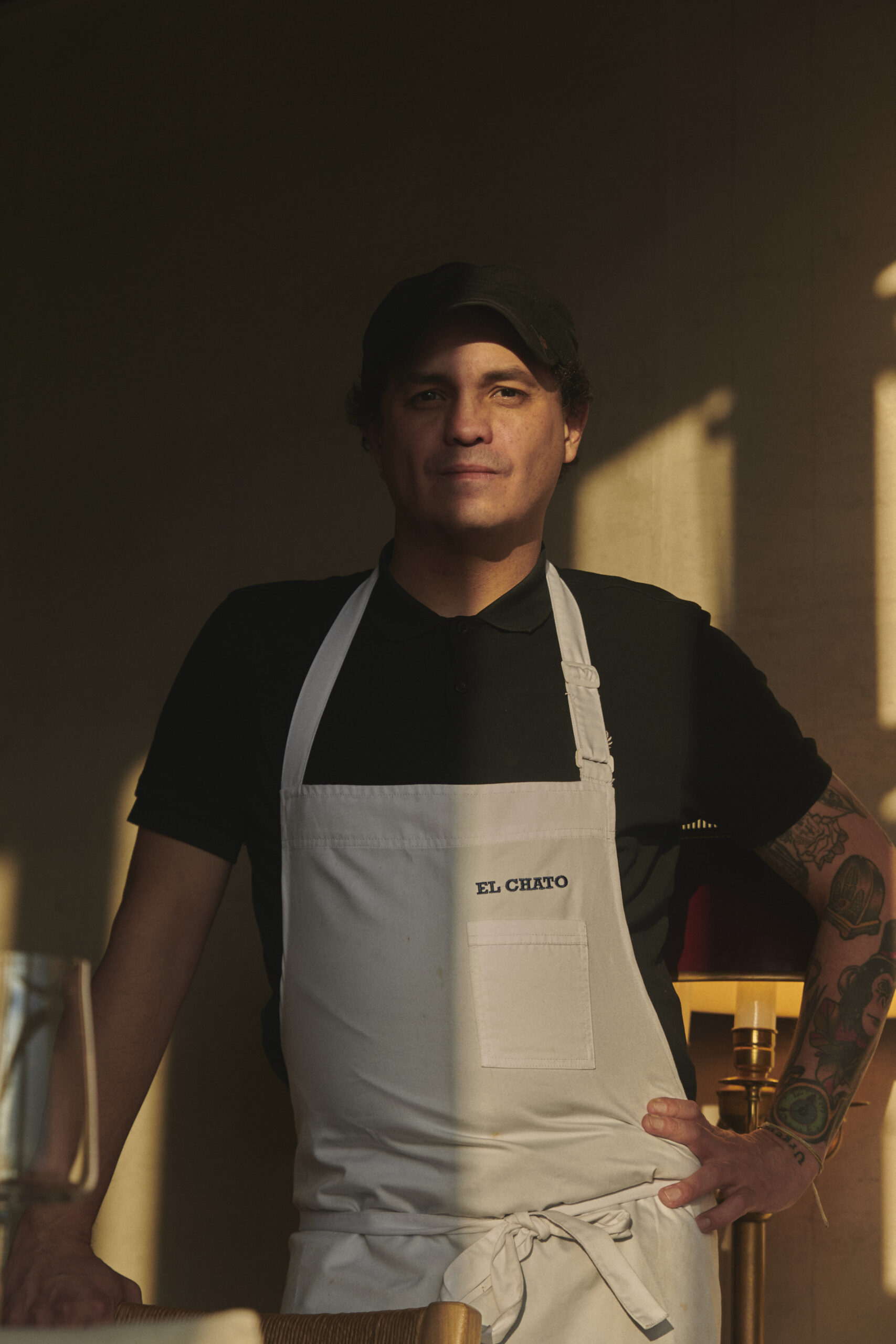
Clavijo describes his approach for the event. “In the kitchen, respect, curiosity, and a sense of humour can overcome most language barriers,” he says, highlighting the shared vernacular of food. “I don’t want to simply reproduce El Chato in Bangkok. I want people to understand something about Colombia through the way I cook, while allowing Thailand and its ingredients to influence what happens on the plate.” As the most meaningful collaboration occurs when different cultures are able to exchange ideas and complement one another without losing their individual character, the goal for all participating chefs is to create a dinner as one complete experience, rather than a collection of individual dishes.
A Universal Language
Language barriers can pose challenges in a new kitchen, but chefs often find ways to communicate through food. “I think the kitchen has its own universal language. Even when we don’t speak the same language, the techniques and processes are easy to understand, and a lot can be communicated simply through actions and observation,” Royer notes. As cooking is a hands-on endeavor, chefs coming together for the event resourcefully seek out workarounds to understand each other beyond spoken word.
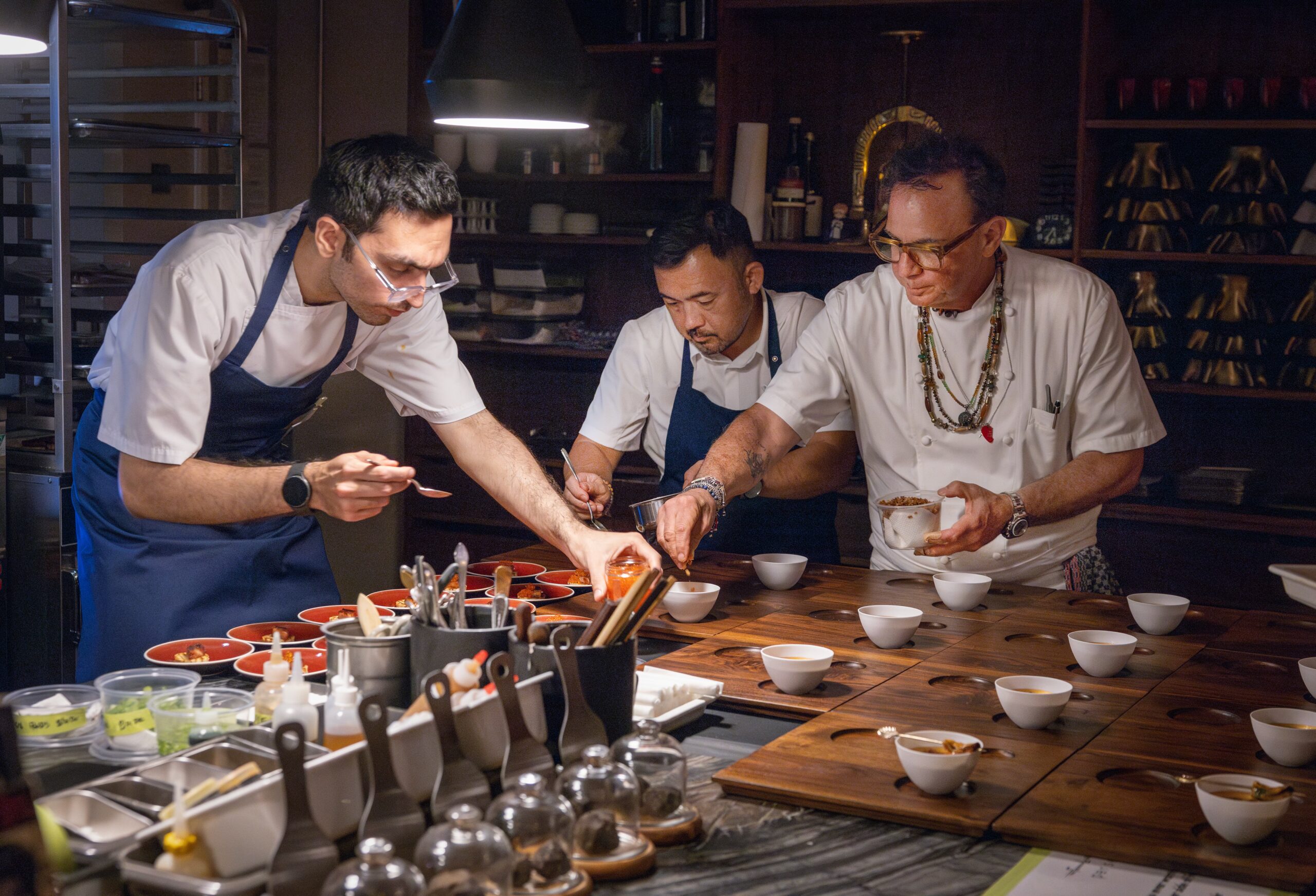
Chef Vo elaborates on this concept. “Communication goes beyond speaking. You listen carefully and use food as the communal language,” he explains. This spirit of partnership goes beyond verbalization, fostering an environment where originality flourishes, even amidst potential hurdles.
Embracing Local Ingredients
One of the most exciting aspects of the festival is the opportunity for chefs to experiment with local Thai ingredients. Chef Zee finds inspiration in Thailand’s abundant seafood, a shared thread between Thai and the Ningbo cuisine of his hometown. “My partner and I both grew up in coastal regions of China and have a deep-rooted love for seafood. I want to explore the parallels and historical exchange between these two seemingly disparate cuisines through the lens of the oceans’s bounty,” he shares. “Since ingredients are like paintings, everyone sees them differently. I want to know how Thai people see them and learn from that new perspective.” This exploration is essential for creating dishes that resonate with both culinary traditions.
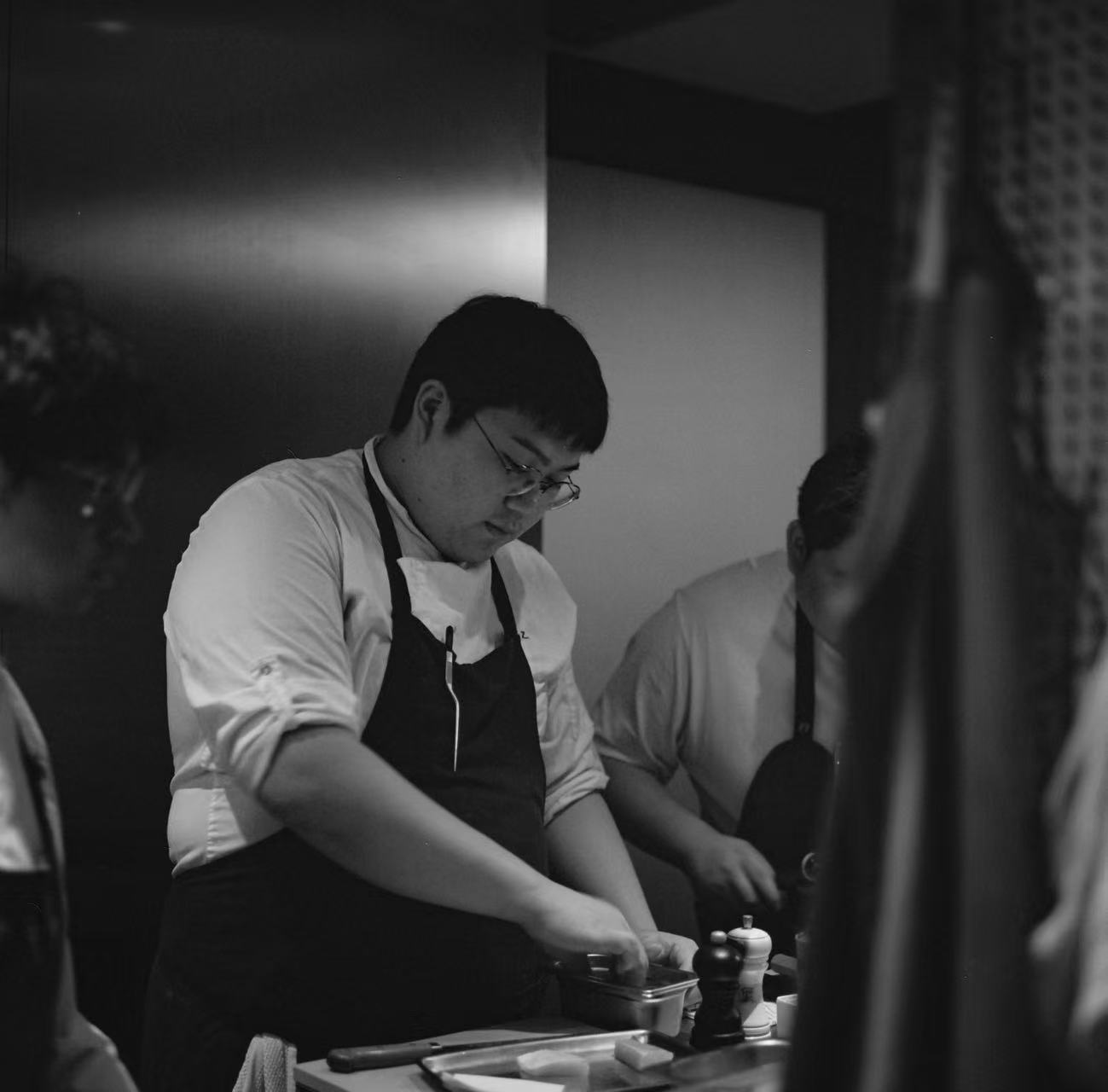
Chef Vo weighs in: “A major challenge with cooking abroad is that an ingredient you know conceptually can behave very differently in another environment. Produce may have a different season, seafood may have a different size or fat content, and even the kitchen equipment can change how a technique behaves. The answer is preparation and adaptability.” A good chef has a plan, but also knows when the ingredient is telling you to change it.
Overcoming Challenges
The high-pressure environment of the World Gourmet Festival tests chefs’ abilities to modify, tailor, and innovate. “The biggest challenge when cooking abroad is always altering what you imagined to what actually exists when you arrive. An ingredient can taste different from what you expected, the humidity can affect a preparation, something you planned to use might not be available, or the kitchen equipment can be completely different,” Clavijo adds. “I always tell my team that the dish we planned is less important than the dish we are actually serving.” For many, this means finding a balance between creativity and discipline.
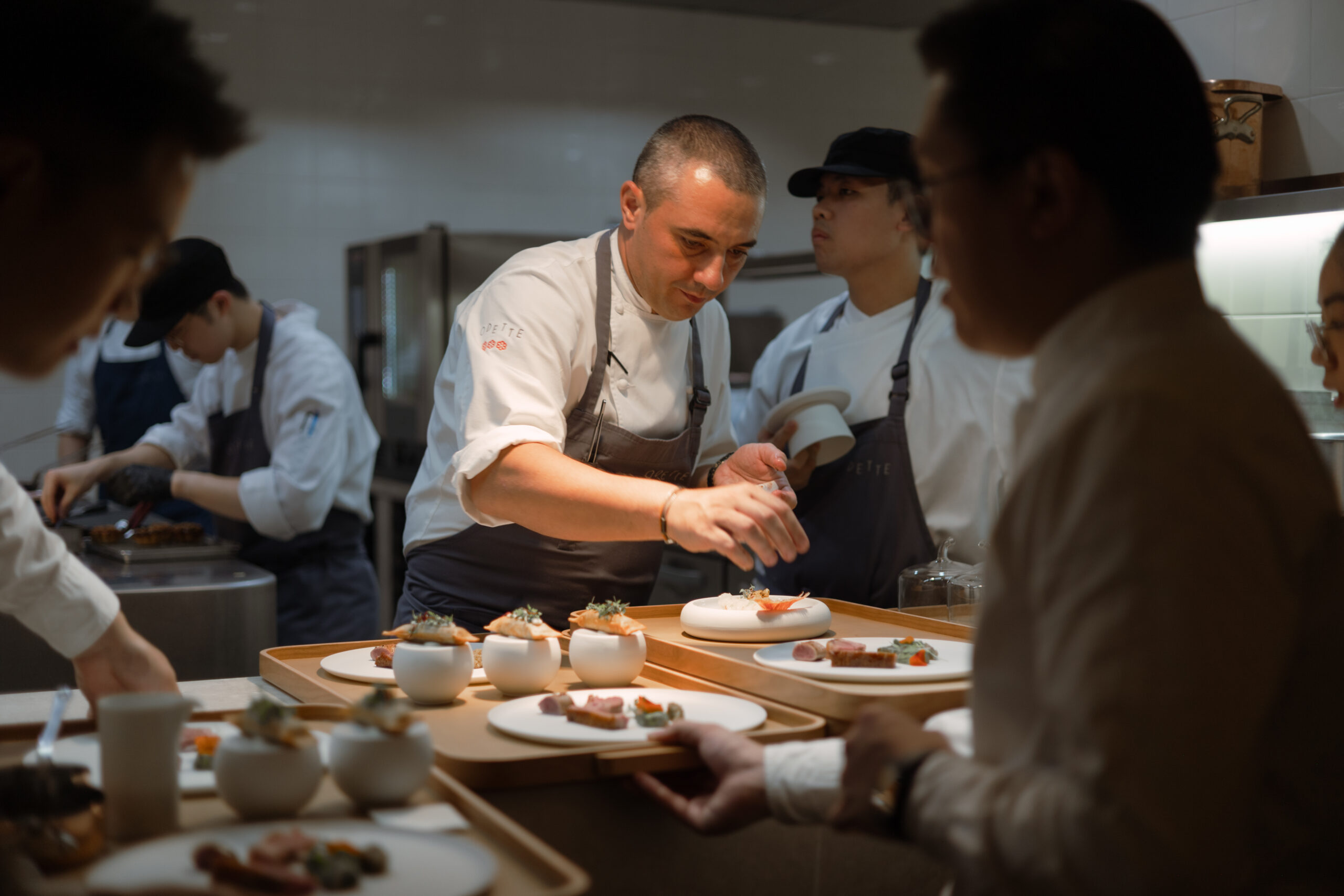
Josiah Citrin, chef-owner of Mélisse and Citrin in Los Angeles, mentions how he navigates these challenges. “I’ve learned to adapt to unfamiliar kitchens, ingredients, and surroundings,” he states. “The goal is to stay true to my style while being inspired by local ingredients.” This philosophy reflects the broader approach many chefs take when participating in the festival.
Crafting a Cohesive Menu
Developing a unified menu is a critical part of the cooperation process. Chefs must find a way to honor their individual styles while ensuring continuity across courses. “I don’t think every course needs to be an equal combination of both cuisines. Sometimes one chef should lead a course while the other contributes a technique, ingredient or perspective. That allows each dish to have a clear character while still belonging to the same menu,” Vo lends. “The important thing is to find harmony rather than compromise for the sake of compromise. If the idea is strong and the flavors make sense together, the cultural exchange becomes visible naturally.”
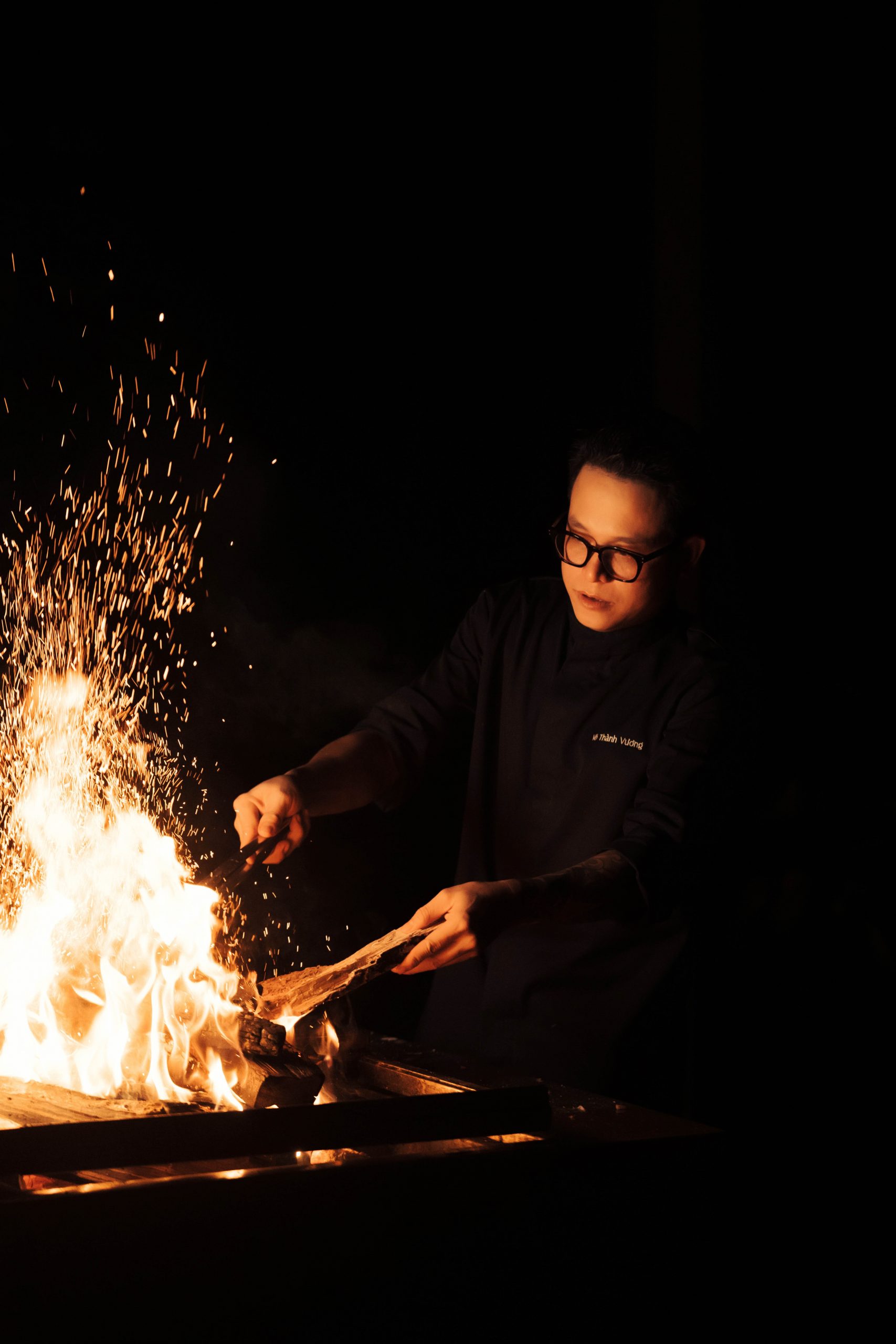
Royer remarks, “I think a collaboration is about being open to new ideas while still knowing what defines you. This way, we can adapt while still staying true to our culinary ideology.”
A Snapshot of Bangkok’s Culinary Scene
The World Gourmet Festival exemplifies Bangkok and greater Asia’s progressing culinary landscape. Vo feels the festival spotlights Bangkok’s growing confidence and diversity. “Today’s diners are interested in authenticity, cultural context, and sustainability,” he says. “The festival reflects this evolution by bringing different culinary cultures together.”
As the World Gourmet Festival approaches, excitement builds around the unique experiences awaiting guests. Attendees are invited to peruse the curated programme of chef-hosted dinners and collaborative events and purchase tickets at www.worldgourmetfestival.asia.
Image credit: Supplied
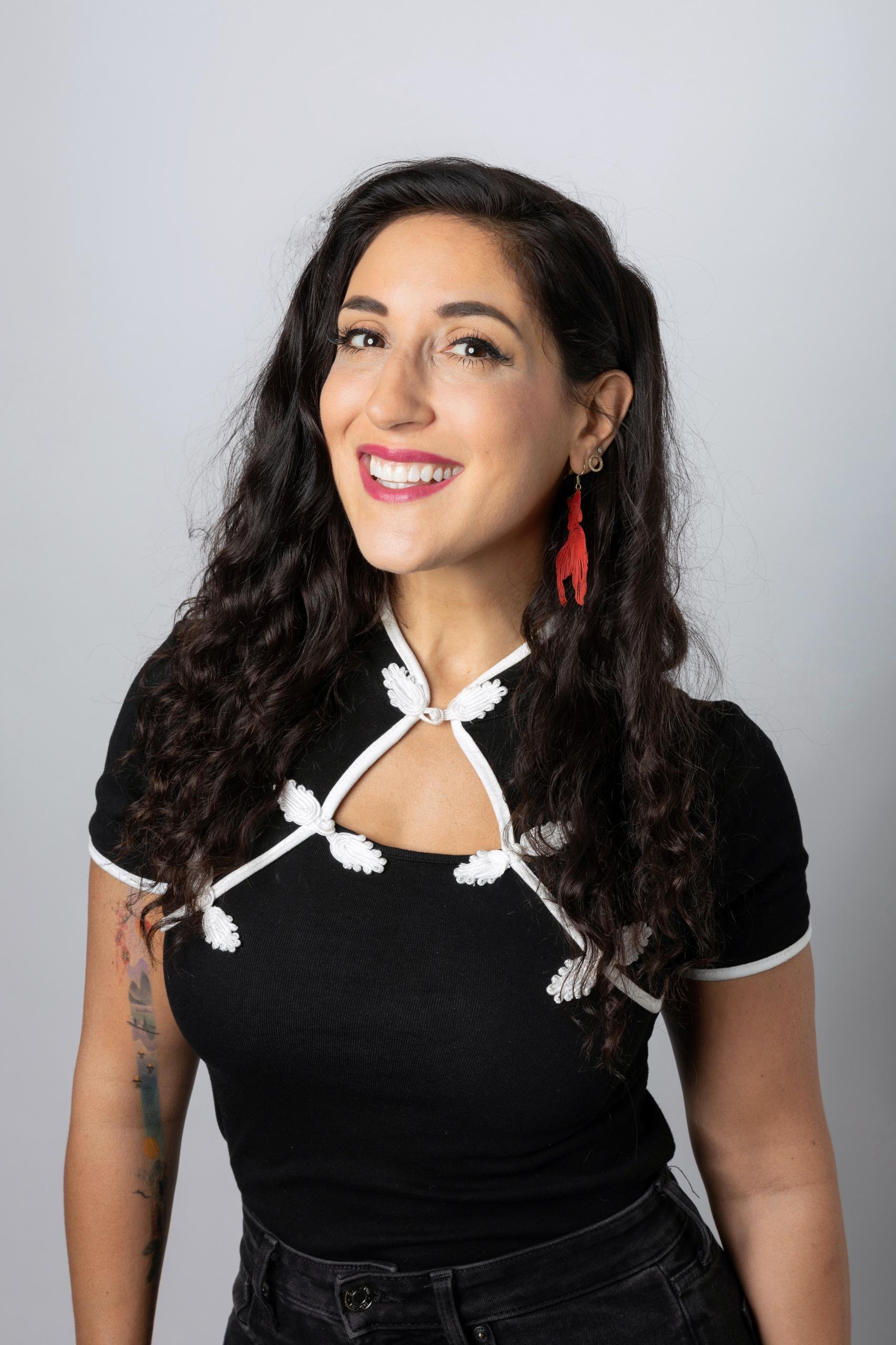
Sophie Steiner is a food & beverage, travel, and lifestyle journalist and photographer, based in Shanghai for the last 10+ years. She loves exploring culinary culture, from local to luxe, across Asia and beyond. Her works have been featured in publications like Travel + Leisure, World’s 50 Best, Business Insider, Michelin, and LUXE City Guides.