Take a look under the canvas
From the lavish banquet tables of Dutch Golden Age paintings to the solitary apple in a still life by Paul Cézanne, food has served as far more than decorative subject matter in Western art.
For centuries, artists have wielded fruits, meats, bread, and wine as potent symbols, vehicles for commentary on mortality, morality, wealth, spirituality, and the fragility of human existence. To look at food in art is to read a visual language that speaks across centuries.
In earlier periods, particularly during the Renaissance and Baroque eras, food carried meanings that audiences would have immediately recognized. A lemon could suggest both luxury and the passage of time, grapes could point to abundance or sacrifice, and bread often symbolized nourishment as well as sacred ritual.
Basket of Fruit (c.1599) — Caravaggio
Michelangelo Merisi da Caravaggio’s Basket of Fruit may appear deceptively simple at first glance: a wicker basket overflowing with apples, grapes, figs, and quince set against a plain, neutral background. Yet beneath its quiet realism lies a work that fundamentally shifted the direction of art history.
At a time when grand religious scenes and mythological subjects dominated European painting, Caravaggio directed the full attention of a master artist to something remarkably ordinary, a fruit captured at the height of its ripeness.
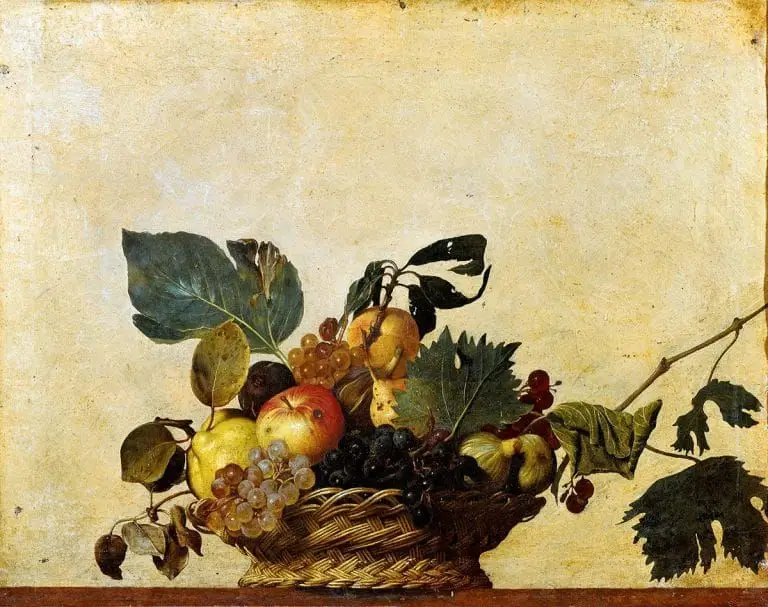
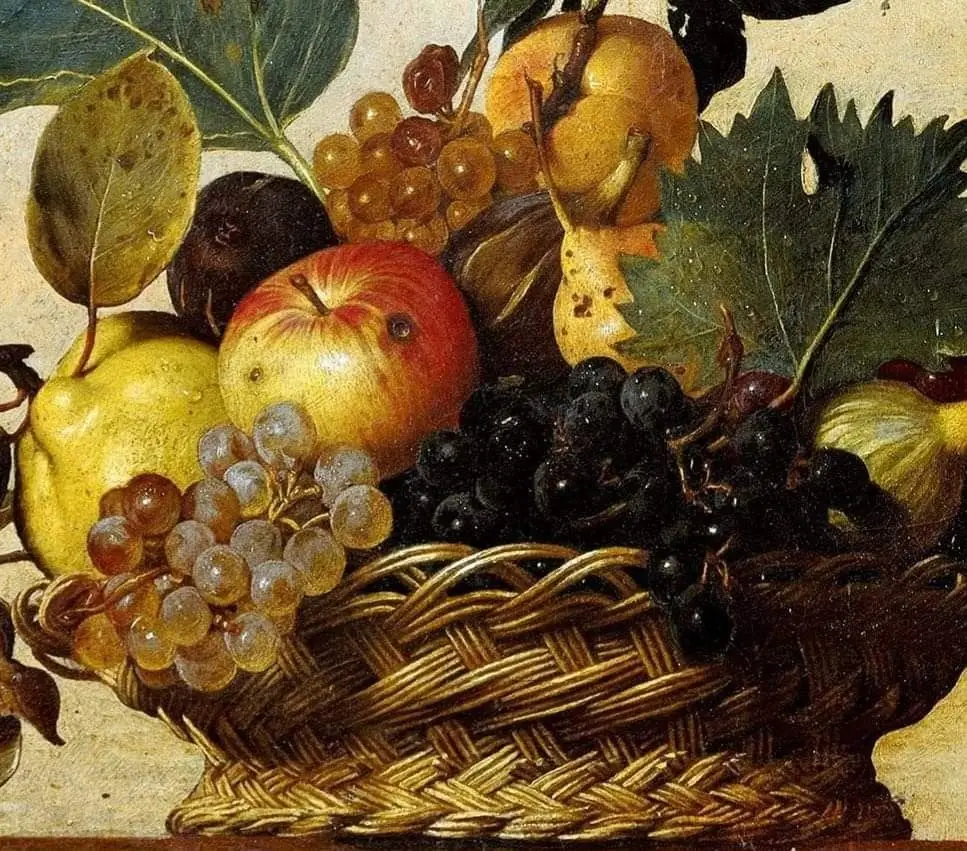
The longer one studies the painting, the less perfect the arrangement becomes. The leaves curl and brown at the edges, spotted with disease and decay. One apple is punctured with a worm hole, while the quince appears bruised and overripe. Rather than idealizing nature, Caravaggio painted it with startling honesty. Beauty exists here, but it is already beginning to disappear.
The fruit hangs delicately at the edge of the ledge, almost threatening to tumble forward, creating a subtle sense of instability and impermanence. Caravaggio transforms a basket of fruit into a meditation on mortality, using everyday objects to confront viewers with the passage of time.
The painting also reflects the artist’s own worldview and turbulent life. Known for his violent temper, street fights, and eventual exile, Caravaggio understood instability intimately. That tension seems embedded within the work itself. Nothing feels eternal or untouched.
The piece demonstrates Caravaggio’s revolutionary mastery of light and shadow. His dramatic use of chiaroscuro, the contrast between illumination and darkness gives the fruit an almost sculptural presence, heightening both its realism and emotional intensity. Every blemish, wrinkle, and dying leaf is rendered with extraordinary precision.
Still Life with Lobster (1643) — Jan Davidsz de Heem
The Dutch Golden Age produced an explosion of still life painting, and Jan Davidsz de Heem was among its most accomplished practitioners. His Still Life with Lobster exemplifies the pronkstilleven: the ‘ostentatious still life’, a genre that displayed expensive objects in elaborate arrangements.
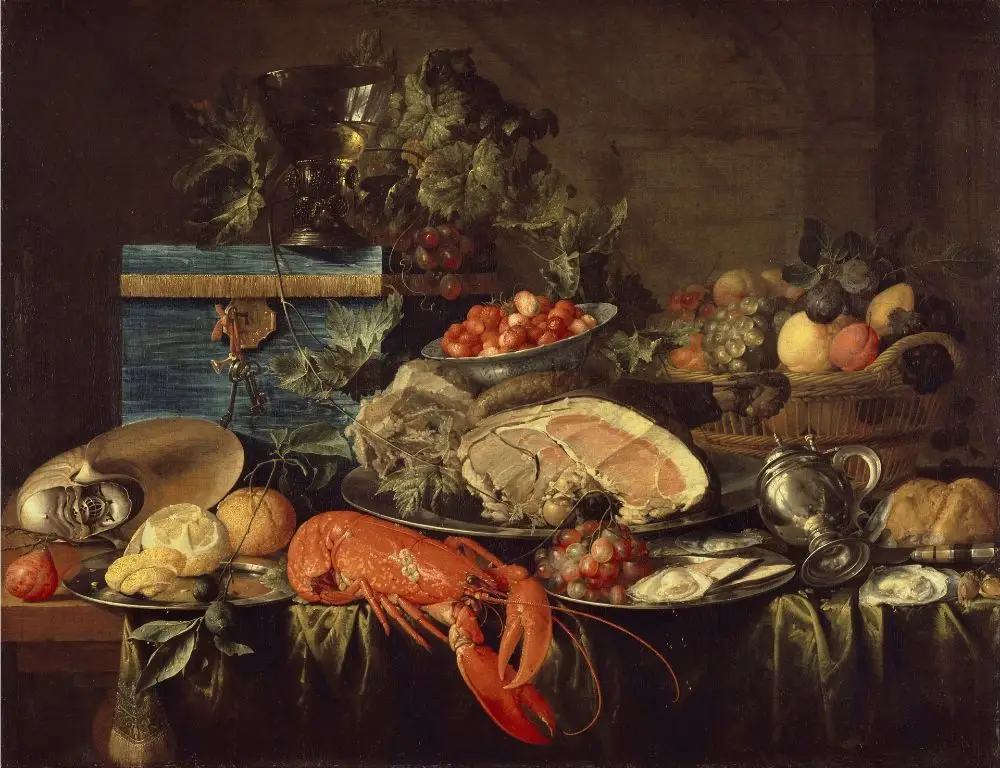
At the center of the painting sits a lobster, in the seventeenth-century Dutch society that signified wealth and aristocratic dining. Surrounding it are lemons imported, costly, and thus a status marker, oysters which are linked to aphrodisiac properties, grapes and wine invoking both abundance and Christian references to the Eucharist. A nautilus shell cup, meanwhile, reflects the era’s fascination with rare and exotic collector’s objects.
De Heem’s painting also operates within the vanitas tradition. A peeled lemon with its rind spiraling downward suggests the passage of time; the half-empty glass implies consumption and ephemerality. The very richness of the display suggests a deeper meaning: everything, no matter how lavish, is ultimately temporary.
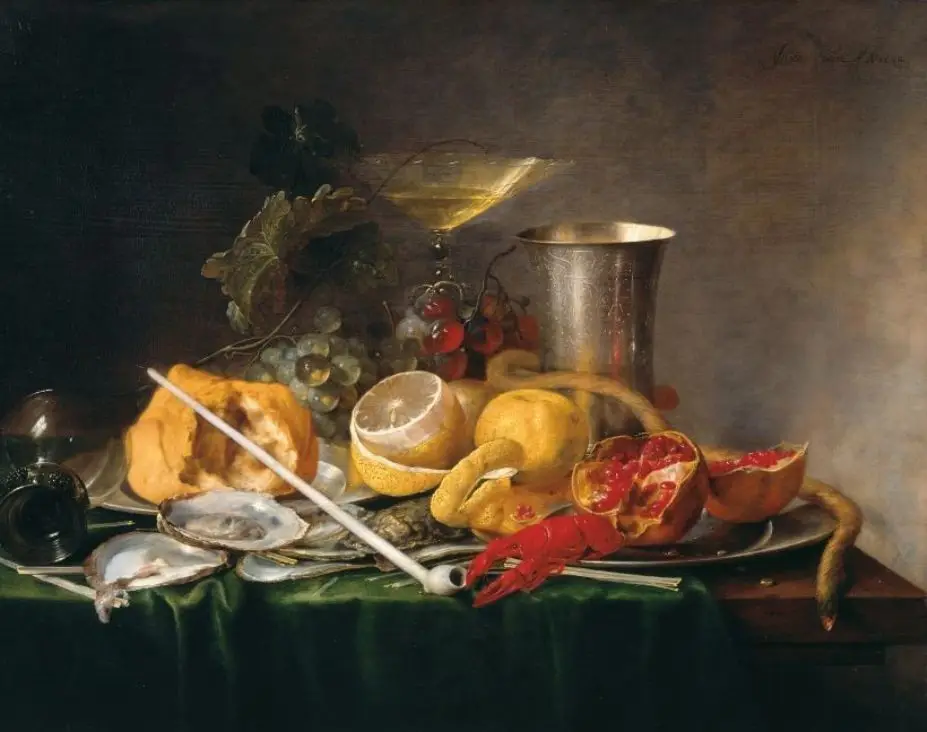
Dutch Golden Age still life pieces emerged from a society experiencing unprecedented commercial wealth through global trade, yet rooted in Calvinist theology that viewed worldly attachment with suspicion. These paintings allowed their owners to have it both ways, displaying prosperity while ostensibly moralizing about its dangers.
The Persistence of Meaning
Food in art is never merely food. Across centuries, artists have instinctively turned to the language of the table when exploring life’s deepest themes such as faith, desire, wealth, power, beauty, and the inevitability of death.
What makes these symbols so enduring is their familiarity. Food is universal, intimate, and deeply human. We gather around meals to celebrate, grieve, worship, and connect, which is precisely why artists have used everyday objects to communicate ideas far greater than themselves.
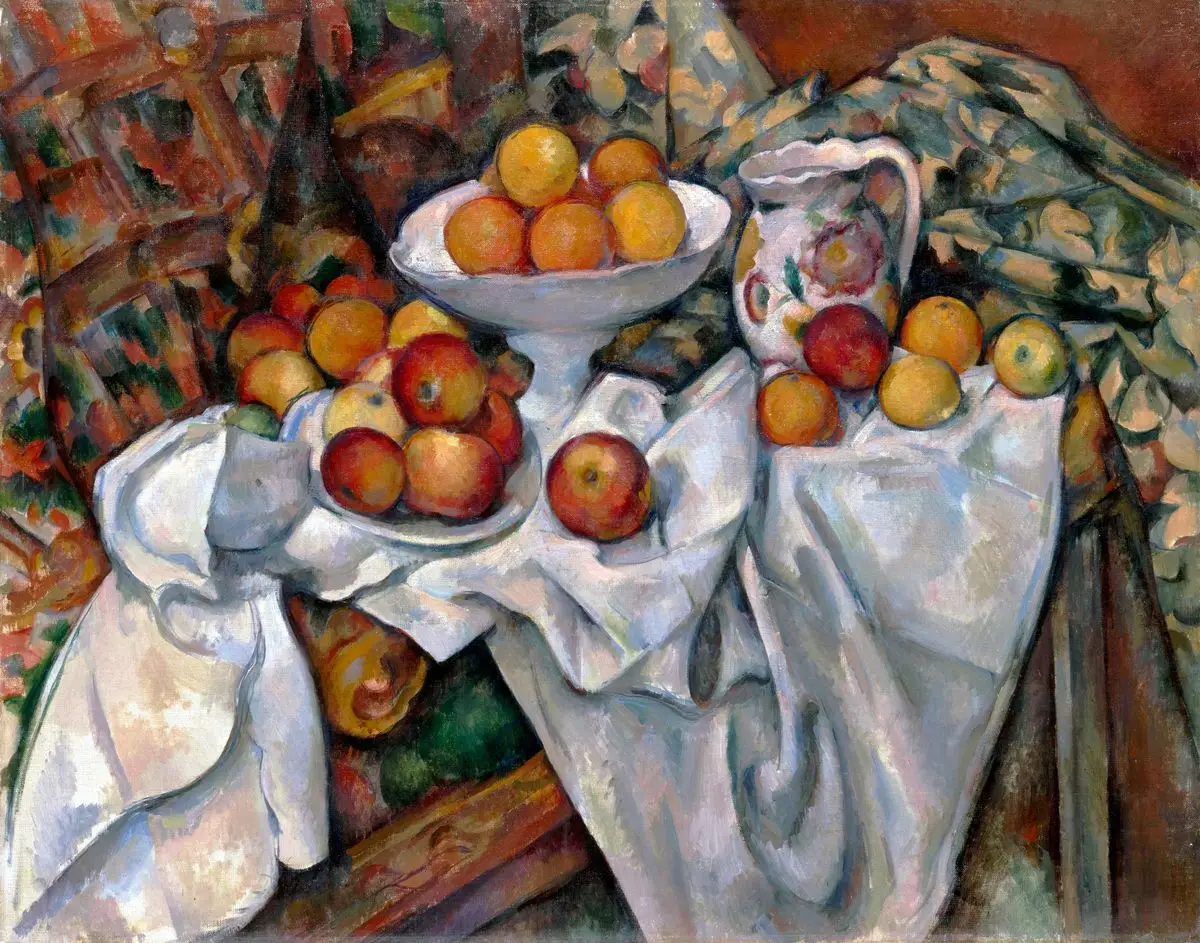
A carefully placed orange in a Renaissance portrait or a half-peeled lemon in a Dutch still life becomes more than decoration; it transforms into a coded reflection of society, spirituality, and the fragility of human existence.
To understand this visual vocabulary is to experience art differently. Paintings that once seemed like simple depictions of meals or domestic abundance suddenly reveal hidden narratives beneath their surfaces.
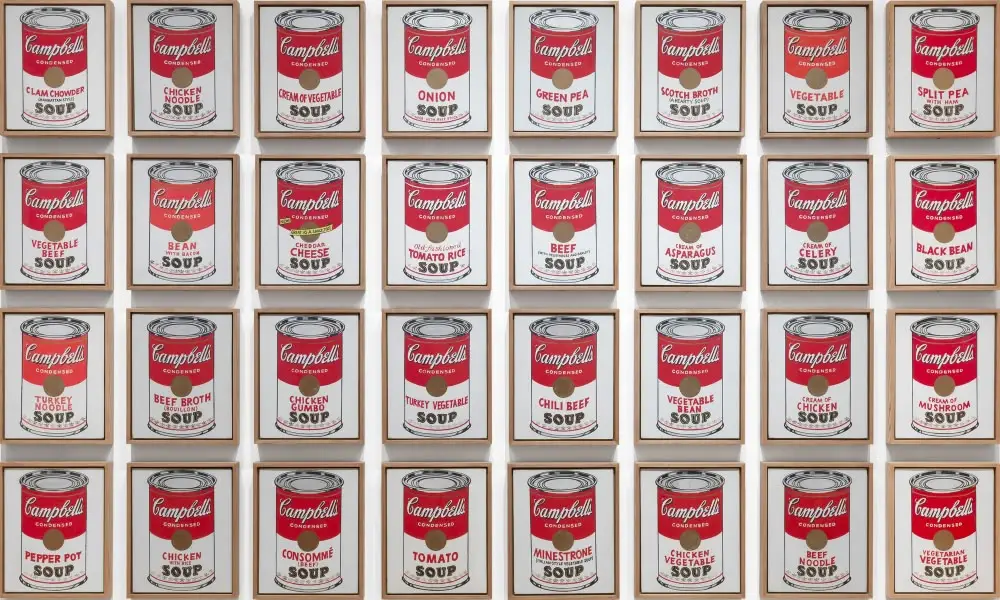
The next time you stand before a still image or notice a forgotten piece of fruit resting in the corner of a portrait, pause for a moment. Ask what the artist wanted that bird or fish, or that loaf of bread, or that decaying apple to communicate. More often than not, the answer speaks not only to the world the artist inhabited, but also to timeless truths about our own.
Image credit: Pinterest

Afra Rehman is a writer whose work explores culture, travel, lifestyle, the arts, and the stories that shape everyday life. She is drawn to the people, places, and ideas that inspire connection, creativity, and self-expression. Through thoughtful storytelling and a curious perspective, she captures both meaningful experiences and the small moments in between, bringing readers engaging narratives that are honest, relatable, and insightful.